
How to Set Up an Emergency Response Team for Your Workplace
A practical guide to help employers, safety teams and management understand how to form an Emergency Response Team based on workplace risks, response scope, team roles, training needs and drill readiness.
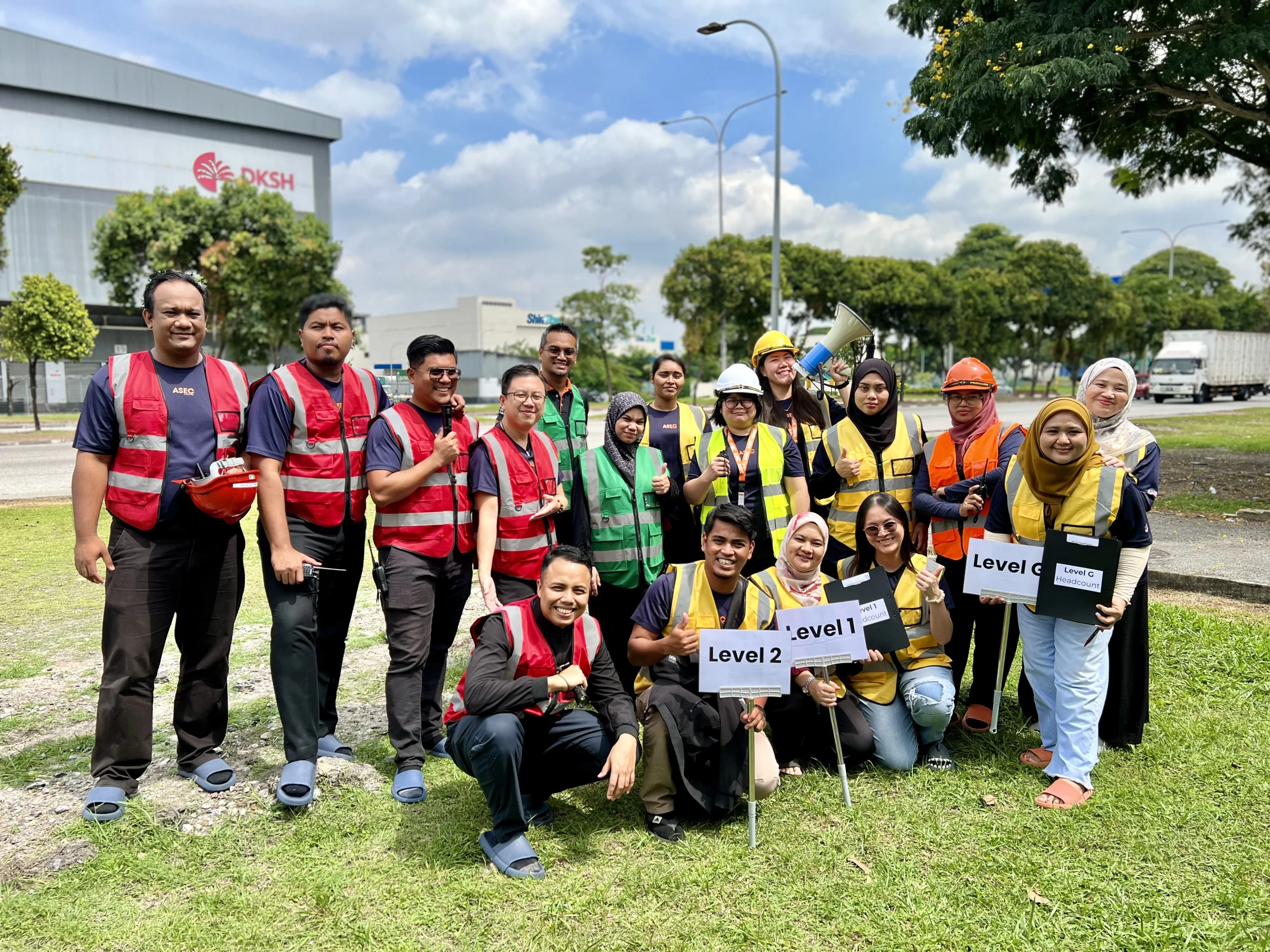
An Emergency Response Team should not be copied from another company’s organisation chart. It should reflect your workplace risks, layout, people and response needs.
Start with workplace risks.
Before appointing members or planning training, understand what emergencies could realistically happen in your workplace.
Workplace activities
Look at the type of work being carried out, including production, storage, maintenance, customer-facing operations or field work.
People on site
Consider employees, contractors, visitors, trainees and anyone else who may need assistance during an emergency.
Site layout
Review escape routes, assembly areas, access points, high-risk zones and areas that may slow down evacuation or response.
Hazards and materials
Identify fire risks, chemicals, machinery, confined areas, electrical hazards or other conditions that may affect response.
Past incidents
Learn from previous incidents, near misses, complaints, audit findings or drill observations.
External help
Consider how long it may take for external emergency services to arrive and what your team must do before then.
Decide what your ERT should handle.
Once the risks are clear, define what the team is expected to do before external help arrives. The response scope must be realistic, trained and understood by everyone involved.
Alert and evacuate
The team focuses on raising the alarm, guiding people to safety, checking assembly points and reporting the situation.
Contain until help arrives
The team may take basic actions to control the situation within safe limits, such as using available equipment or isolating the area.
Perform trained response
The team responds within a clearly defined scope, such as first aid, fire response, spill response or emergency coordination.
Choose the right people and roles.
After defining the response scope, appoint people who are suitable, available and able to carry out their role during an emergency.
ERT Leader
Coordinates the team, makes early decisions and communicates with management or external responders when needed.
First Aid Team
Provides early care to injured or unwell people while waiting for professional medical support.
Fire Response Team
Responds to early-stage fire situations within trained limits and supports safe evacuation.
Evacuation Wardens
Guide people to safe exits, support headcount and report missing persons or blocked routes.
Spill or HazMat Team
Handles chemical spill or hazardous material response only if the workplace risk and training scope require it.
Communication Support
Helps alert the right people, share updates, contact emergency services and keep information flowing.
Prepare communication, equipment and supplies.
An ERT needs more than trained people. The team must know how to communicate, where to get the right equipment and how to keep response items ready.
Set a clear communication flow for reporting incidents and alerting the right people.
Prepare emergency contact numbers, internal escalation contacts and external responder details.
Ensure first aid kits, fire extinguishers, spill kits or other response tools are accessible and checked.
Make sure ERT members know where equipment is located and when it should be used.
Review supplies regularly so expired, damaged or missing items do not affect response readiness.
Train the team and run drills.
Training gives ERT members the knowledge and skills they need. Drills help test whether the team can apply those skills under realistic workplace conditions.
First Aid Response
Train selected members to provide early care for injuries, sudden illness, CPR situations and other medical emergencies.
Fire Response
Prepare the team to respond safely to early-stage fire situations within their trained scope and available equipment.
Spill or HazMat Response
For workplaces with chemical risks, train relevant members on spill control, isolation, reporting and safe response limits.
Evacuation Drills
Practise evacuation routes, assembly point management, headcount, communication and support for people who need assistance.
Tabletop Exercises
Discuss realistic scenarios with key personnel to test decision-making, communication flow and response coordination.
Scenario-Based Drills
Run practical drills based on likely workplace incidents so the team can practise response actions, not only discuss them.
Review, improve and update.
An Emergency Response Team should not remain unchanged after it is formed. Review the team after drills, incidents, layout changes, process changes or headcount changes.
Review what worked well and what slowed down the response during drills or incidents.
Update emergency roles if members leave, change shifts or move to another department.
Adjust communication flow if reporting, escalation or handover was unclear.
Check whether equipment, supplies, maps and emergency contact details are still current.
Plan follow-up training when the team shows gaps in knowledge, confidence or coordination.
Review, improve and update.
An Emergency Response Team should not remain unchanged after it is formed. Review the team after drills, incidents, layout changes, process changes or headcount changes.
Review what worked well and what slowed down the response during drills or incidents.
Update emergency roles if members leave, change shifts or move to another department.
Adjust communication flow if reporting, escalation or handover was unclear.
Check whether equipment, supplies, maps and emergency contact details are still current.
Plan follow-up training when the team shows gaps in knowledge, confidence or coordination.
What often goes wrong when setting up an ERT?
An ERT can look complete on paper but still fail in practice if the roles, scope, tools and follow-up actions are not clear.
Treating the ERT as a name list
A list of names is not enough. The team needs clear roles, response scope, communication flow and practice.
Copying another company’s structure
ERT design should reflect your own workplace risks, layout, people and response needs.
Training everyone the same way
Training should match the member’s role, such as first aid, fire response, evacuation, communication or spill control.
Having equipment nobody can use
Equipment only helps when people know where it is, when to use it and how to check it.
Running drills without review
A drill is not complete until the team reviews what worked, what failed and what needs to improve.
Can your team answer these questions?
A simple way to test whether your Emergency Response Team setup is clear is to ask practical questions before an incident happens.
What emergencies are most likely to happen in our workplace?
What should our ERT handle before external help arrives?
Who leads the response when an incident happens?
How will ERT members communicate during an emergency?
What equipment must be ready, accessible and checked?
When was the last drill reviewed and improved?
Common questions about setting up an ERT.
Short answers to help employers and safety teams understand how an Emergency Response Team should be planned, trained and maintained.
What is an Emergency Response Team?
An Emergency Response Team is a group of appointed and trained people who help the workplace respond during emergencies such as injuries, fire, evacuation, spills or other incidents.
Does every workplace need an ERT?
The need and structure depend on workplace risks, number of people, layout, operations and the expected response before external help arrives.
How many ERT members should a company appoint?
There is no one-size-fits-all number. The team size should reflect the workplace risk level, shift pattern, site size, response scope and number of people on site.
What training should ERT members attend?
Training should match their role. Common areas include first aid, fire response, evacuation, spill response, communication, incident coordination and emergency drills.
How often should ERT drills be reviewed?
Drills should be reviewed after they are conducted. The review should identify what worked, what failed and what needs to be improved before the next drill or emergency.
Need help strengthening your workplace Emergency Response Team?
Explore ASEC’s emergency response training programmes to help your team improve planning, response roles, drills and incident readiness.