
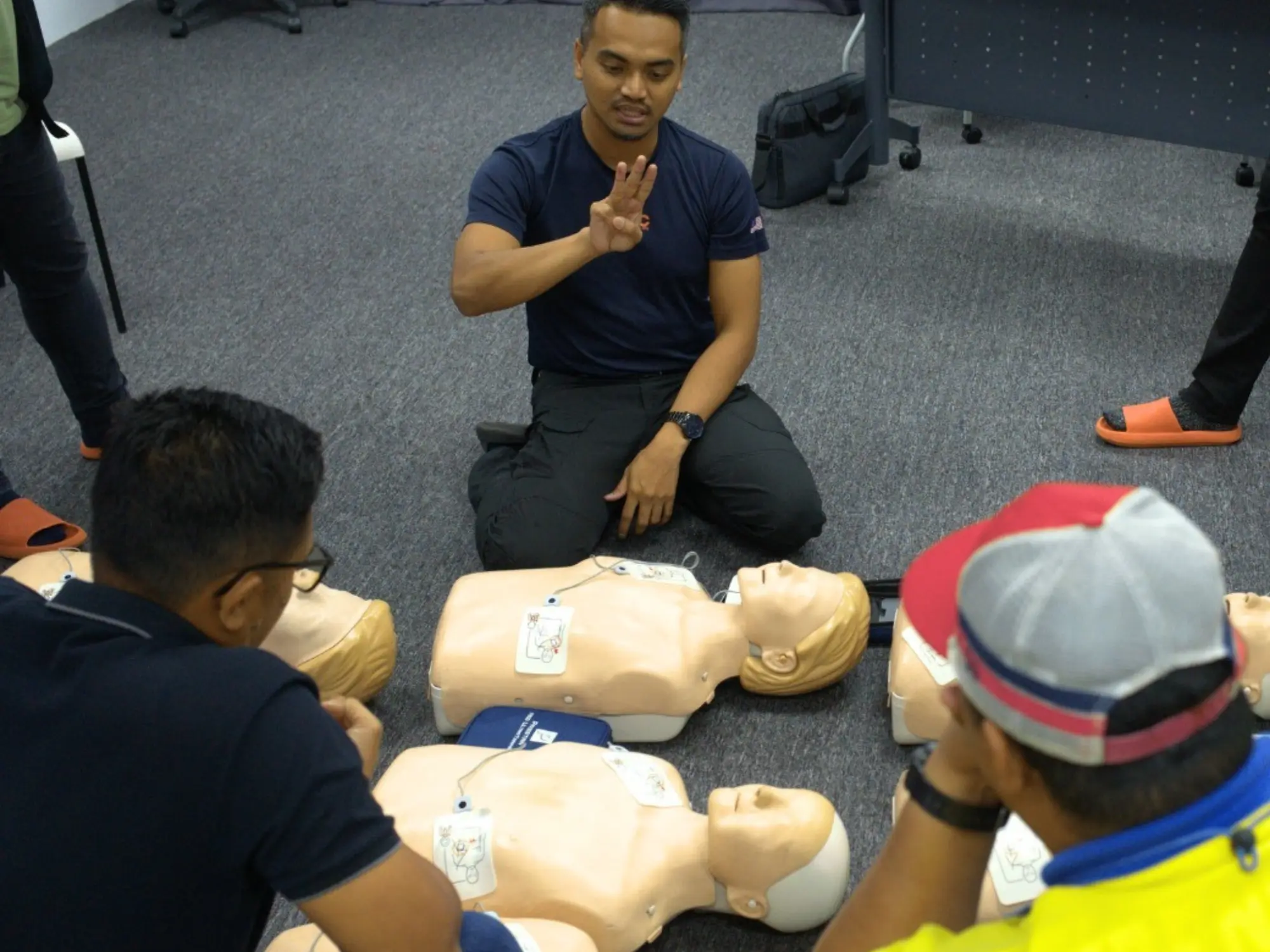
Emergencies can happen anywhere in offices, factories or schools. In those moments, knowing what to do can save lives. That’s where BOFA training plays an important role. It teaches people how to handle accidents, injuries and health emergencies calmly and correctly before professional help arrives.
At ASEC, a globally accredited and HRD Corp-registered training provider established in 2004, employees across Malaysia learn vital life-saving skills through structured safety programmes. Every participant becomes a confident first responder, capable of protecting lives and reducing workplace risks.
Understanding BOFA Training and Its Purpose
BOFA training stands for Basic Occupational First Aid, CPR & AED training. It’s designed to equip workers with essential knowledge to handle emergencies effectively. When quick action is needed, first responders who have completed this training can make the difference between life and death.
The course offered by ASEC’s First Aid Division follows global best practices and complies with Malaysia’s workplace safety standards. It combines theory, simulation and real-life application to ensure participants are ready for any situation.
1. Key Components of BOFA Training
ASEC’s training covers everything needed to respond quickly and safely to emergencies. Trainees learn how to:
- Recognise early signs of a heart attack, choking or severe bleeding.
- Administer CPR effectively on adults and children.
- Operate an AED confidently.
- Control bleeding, treat burns and handle fractures.
- Assess an emergency scene to ensure personal and team safety.
These lessons create a strong foundation for workplace emergency readiness and personal confidence.
2. Why Every Workplace Needs Trained Responders
A well-trained workforce reduces risks and ensures a faster response during emergencies. For example, if a co-worker faints or gets injured, a trained first aider can provide immediate care before paramedics arrive.
At ASEC, trainers emphasise that training is not just for compliance, it’s a crucial part of creating a safer, more caring workplace. When employees understand how to act, they help protect not only lives but also company operations and morale.
How BOFA Training Builds Real-World Readiness
Emergencies don’t follow a script. That’s why BOFA training focuses on real-world scenarios that help participants stay calm under pressure. The training aims to transform fear into confidence through practice.
1. Step-by-Step Learning Experience
Participants progress through several learning phases to build knowledge and confidence:
- Theory Lessons – Understanding the human body, emergency signs and safety principles.
- Demonstrations – Trainers show the correct way to perform CPR and use an AED.
- Hands-On Practice – Each trainee performs the techniques themselves until they are confident.
- Simulated Emergencies – Participants experience lifelike scenarios to test their reactions.
This step-by-step approach ensures that every graduate can act quickly and accurately when it matters most.
2. Continuous Learning and Skill Development
After completing BOFA training, participants can take advanced programmes such as Advanced Industrial First Aid, CPR & AED Training. ASEC also provides leadership courses like the First Aid Team Leader Training for those who wish to guide others during emergencies.
By building on these skills, employees contribute to a culture of safety that benefits everyone in the workplace.
The Value of BOFA Training for Individuals and Organisations
When organisations invest in BOFA training, they create safer environments for employees, customers and visitors. Beyond compliance, it’s about building a workforce that values safety and responsibility.
1. Empowering Employees with Confidence
Knowing how to help someone in distress can be life-changing. Trained employees become more confident, alert and capable of taking control in emergencies. This confidence spreads throughout the organisation, inspiring others to act responsibly.
By participating in ASEC’s All Training Programmes, employees develop a deeper understanding of teamwork and emergency management.
2. Meeting Legal and Safety Requirements
In Malaysia, certain workplaces must have trained first aiders under the Occupational Safety and Health Act (OSHA). ASEC’s BOFA training helps companies meet these legal obligations while improving overall safety performance.
It also reduces workplace accidents, increases productivity and demonstrates an organisation’s commitment to employee well-being. Making it a smart business decision as well as a moral responsibility.
Integrating BOFA Training into a Safety Culture
A culture of safety doesn’t happen overnight. Regular training sessions remind employees of their responsibilities and help maintain consistent readiness across teams.
1. Refreshing Skills and Knowledge Regularly
Emergency response skills can fade over time without practice. That’s why ASEC encourages employees to refresh their training every two years. This ensures they stay familiar with the latest first aid methods and medical equipment.
ASEC also provides access to ongoing learning through the ASEC Learning Portal, where participants can review modules and track progress online.
2. Building Safer Workplaces Through Teamwork
Safety is everyone’s job. When teams train together, they learn to communicate better and support one another during stressful events. ASEC’s programmes, including firefighting and emergency response drills, help organisations strengthen teamwork while reinforcing safety awareness.
Learning together builds trust, and trust leads to faster, more coordinated responses during real emergencies.
Frequently Asked Questions
Here are common questions about cpr certification we often receive:
Conclusion
Every second counts in an emergency, and BOFA training prepares you to make those seconds matter. The skills gained through ASEC’s training empower individuals to take fast, effective action and protect lives in critical moments.Since 2004, ASEC has helped thousands of Malaysian employees become reliable first responders through accredited safety programmes. To learn more or register your team, visit the Contact Us page or explore more insights on the ASEC Resources section.