
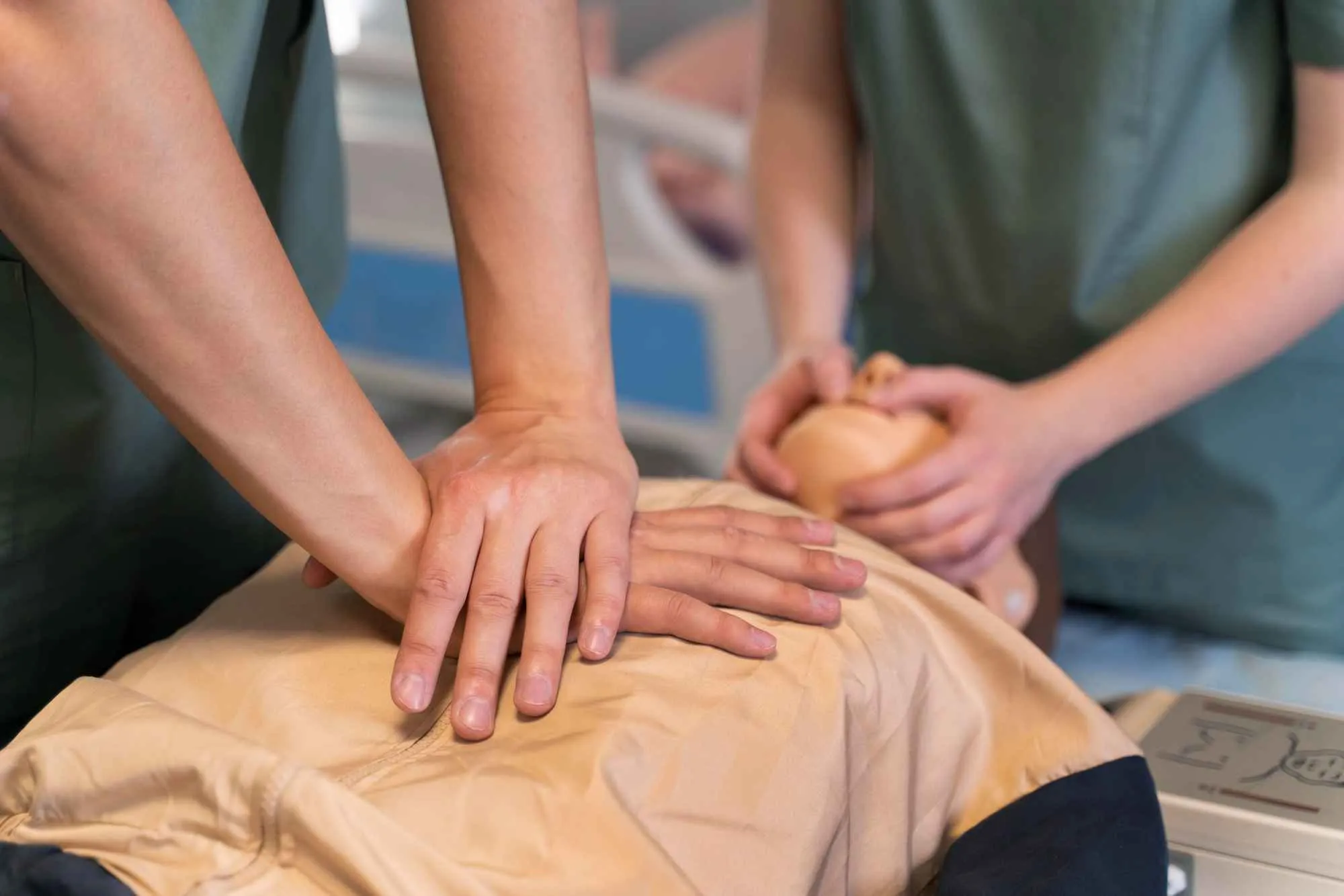
Imagine a busy warehouse shift where a worker suddenly collapses from a heart issue. As the supervisor on site, do you know the exact steps to respond? Moments like these highlight why first aid CPR training matters, equipping leaders like you to act swiftly and potentially save lives.
In high-risk environments such as factories or construction sites, emergencies strike without warning. Supervisors often serve as the first line of defence, bridging the gap until professional help arrives. Gaining first aid CPR training builds confidence and ensures compliance with workplace safety regulations in Malaysia.
This training goes beyond basic knowledge, fostering a culture of preparedness that protects teams and boosts operational resilience. Explore our First Aid Training options to see how it fits your role.
Legal and Compliance Requirements for Supervisors
First aid CPR training stands as a cornerstone for supervisors navigating Malaysia’s strict occupational safety laws. Under the Occupational Safety and Health Act 1994, employers must provide adequate first aid provisions, placing supervisors at the forefront of implementation. This training ensures you meet these mandates while minimising legal risks.
Neglecting it can lead to hefty fines or operational shutdowns. Consider a manufacturing plant fined RM50,000 after an incident revealed untrained staff; proper preparation avoids such pitfalls.
Understanding Key Regulations
Malaysia mandates that workplaces appoint competent first-aiders, often supervisors in smaller teams. First aid CPR training aligns directly with DOSH (Department of Occupational Safety and Health) guidelines, covering chest compressions, rescue breaths, and AED use.
These rules emphasise hands-on practice, not just theory. For instance, factories with over 25 employees require at least one trained person per shift, making supervisors ideal candidates.
Steps to Achieve Compliance
Follow this sequence to integrate first aid CPR training into your compliance strategy:
- Assess your site’s risk level using DOSH checklists, prioritising high-hazard areas like machinery zones.
- Enrol in certified courses that meet national standards, delivering practical skills within a day.
- Schedule annual refreshers to maintain certification, ensuring ongoing team readiness.
- Document training records for audits, reducing liability during inspections.
Essential Skills Gained from First Aid CPR Training
First aid CPR training empowers supervisors with life-saving techniques tailored to workplace scenarios. You learn to recognise cardiac arrest, perform high-quality CPR, and use defibrillators effectively, all within minutes that count.
These skills extend to common incidents like cuts, burns, or choking, common in industrial settings. Supervisors trained in this area respond faster, often improving survival rates significantly, as outlined by the British Red Cross.
Core CPR Techniques for Supervisors
Master the CPR sequence: check responsiveness, call for help, and begin 30 compressions followed by 2 breaths at 100-120 compressions per minute. Depth matters, aiming for 5-6 cm on adults to ensure blood flow.
Practice on manikins builds muscle memory. In a real case, a supervisor in a Perak oil palm estate revived a colleague this way, turning tragedy into triumph.
Handling Workplace-Specific Emergencies
Supervisors face unique challenges, like aiding someone trapped under equipment. Training covers the general Patient Assessment framework, adapting to noisy or confined spaces.
Relatable example: During a forklift mishap, trained leaders secure scenes and stabilise injuries, preventing escalation. Browse All Training for programmes blending CPR with site hazards.
Benefits of First Aid CPR Training for Team Leadership
Investing in first aid CPR training elevates supervisors from managers to heroes in crisis. It sharpens decision-making under pressure, fostering trust and morale among teams who see you as prepared.
Beyond immediate response, it reduces downtime from injuries and enhances overall safety culture. Teams with trained leaders report 20-30% fewer incidents, per industry studies.
Boosting Team Confidence and Morale
Workers feel secure knowing their supervisor handles emergencies competently. This training sparks proactive habits, like regular drills, creating a ripple effect of vigilance.
Picture a construction crew where the foreman demonstrates AED use monthly; hesitation vanishes, and unity strengthens.
Long-Term Operational Advantages
Here are the top benefits, ranked by impact on supervisors:
- Faster incident resolution, slashing response times and medical costs.
- Improved regulatory audits, with evidence of training impressing inspectors.
- Enhanced reputation, attracting talent who value safety-focused leadership.
- Personal growth, as skills translate to family protection outside work.
- Quantifiable ROI, with one saved life offsetting years of training fees.
Real-World Impact and Case Studies
First aid CPR training delivers tangible results, as seen in Malaysian workplaces. Supervisors apply these skills daily, from minor bleeds to full arrests, proving its value in diverse sectors.
Case studies from oil and gas firms show trained personnel halving fatality risks. This hands-on edge separates reactive sites from resilient ones.
Success Stories from Local Industries
In Perak’s manufacturing hubs, a supervisor’s CPR intervention saved a welder from asphyxiation. Training enabled precise actions amid smoke and chaos.
Another example: Logistics teams use skills for heatstroke cases, stabilising victims until ambulances arrive.
Integrating Training into Daily Operations
Embed refreshers via toolbox talks. Pair with ZOLL AED Plus devices for seamless drills, turning policy into practice without disrupting workflows.