When someone collapses, every second feels long and heavy. With CPR and first aid training, you learn exactly what to do, so you act fast and calmly. In Malaysia, emergencies can happen at home, on the road or at work. A simple set of steps can keep a person alive until help arrives. To understand who teaches these skills and why the methods work, it helps to learn from experienced local providers like ASEC’s team, who train people across industries.
Good training turns fear into focus. It shows you how to check safety, call 999, start chest compressions and use an AED. Most importantly, it helps you remember the steps under pressure. Because CPR and first aid training is hands-on, you develop muscle memory you can trust.
Why Quick Action Matters in Cardiac Arrest
When the heart stops, oxygen to the brain drops quickly. CPR and first aid training explain that chest compressions act like a manual pump, pushing blood to the brain and heart. If you begin within minutes, you can double or even triple the chance of survival. Time is the critical factor and a trained responder makes the gap to professional care much smaller.
The method is simple, but it must be done well. You learn how to push hard and fast in the centre of the chest and how to let the chest rise between compressions. You also learn to use an AED, a device found in many Malaysian malls, offices and transport hubs, which can restart a heart with a safe, guided shock.
What happens in the first four minutes?
Loss of oxygen can injure the brain in just a few minutes. CPR and first aid training clarifies what this means in real life: seconds count. You learn to check for response, call for help and start compressions without delay. This early start keeps blood moving while medical help is on the way.
How CPR keeps blood flowing
A good rhythm keeps oxygen moving. Keep arms straight, shoulders over your hands and push to the correct depth. Use short voice cues to stay on track:
- Check safety, check response.
- Call 999 and get the AED.
- Start compressions hard and fast.
- Follow AED voice prompts.
- Do not stop until help takes over.
Building Real Skills with ASEC’s Practical Courses
Real learning means practice. In CPR and first aid training, you do more than watch; you try, correct and try again. Instructors guide your hand position, rhythm and depth. They role-play realistic scenes so you can manage stress and still follow the steps.
Training also covers first aid basics you need every day: choking, bleeding, burns and fainting. Step by step, you learn to assess the scene, protect yourself with gloves and give care that fits the injury and the person’s age.
Inside a typical class
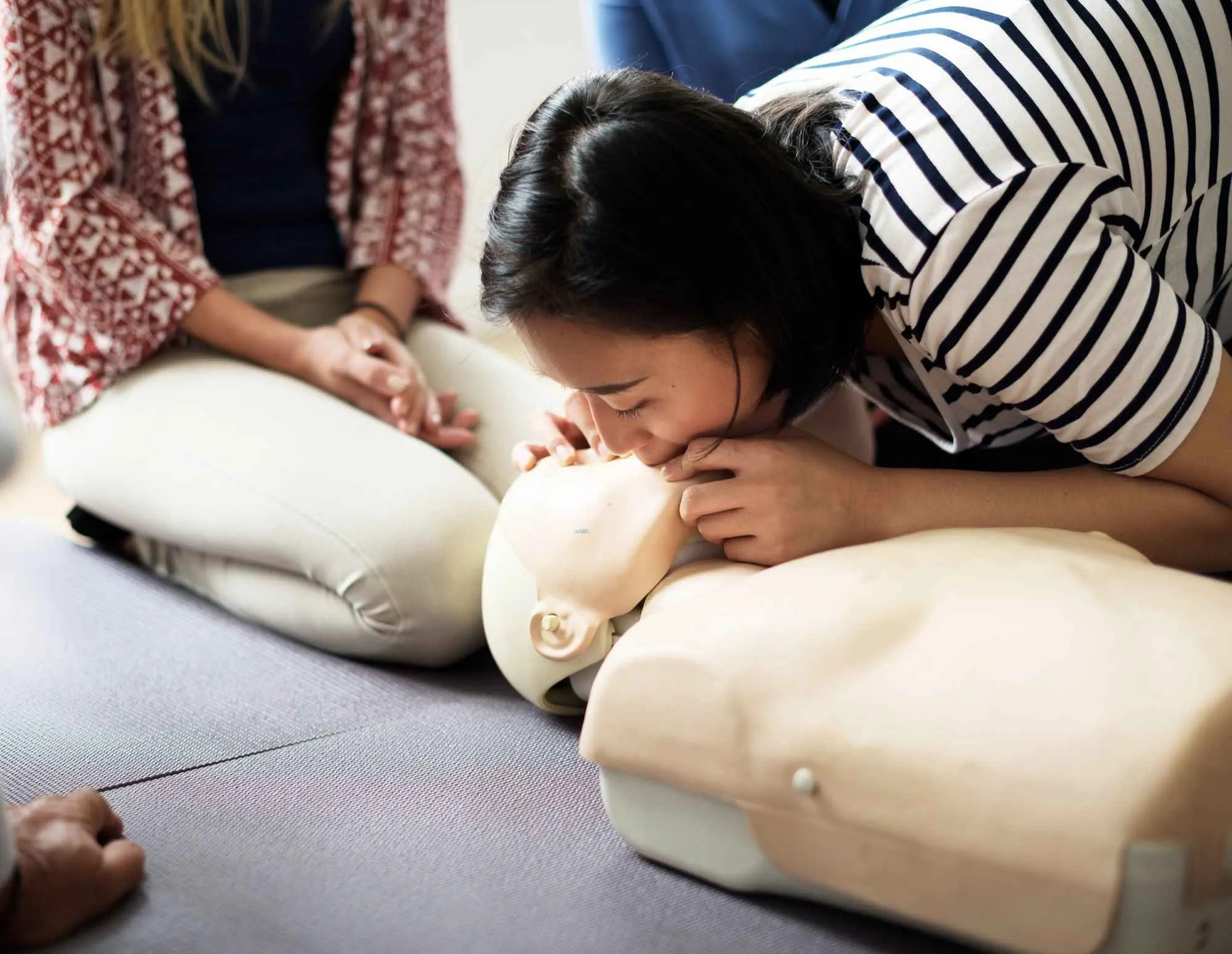
You begin with a simple framework that you can remember when you are under stress. You assess dangers, put on gloves, check the response and call 999. You then practise compressions and rescue breaths on a manikin. This is where CPR and first aid training builds real confidence, because you feel the right depth and pace.
Using an AED with confidence
Modern AEDs speak to you. They tell you where to place pads and when to stand clear. Practice helps you move smoothly, even in a crowded area. Community groups such as St John Ambulance of Malaysia also promote basic life support across the country, building a stronger safety culture for all.
Workplace Duty of Care in Malaysia
Many workplaces must prepare for medical emergencies. CPR and first aid training help employers meet safety expectations and protect teams. In factories, warehouses, hotels, schools and construction sites, trained first aiders make a direct difference before medical teams arrive.
Risk levels vary. A small office may need a few trained people and a stocked kit. A high-risk site may need more first aiders, more drills and AED units placed where everyone can reach them quickly.
Who needs training on-site?
Think about shift patterns, headcount and layout. Each floor or zone should have someone trained. Rotating staff across shifts keeps coverage strong. New joiners can be added to the plan after they complete CPR and first aid training.
Drills that match your hazards
If your site has heat, chemicals, heights or moving equipment, drills should reflect those risks. Teams can start with a solid foundation, such as ASEC’s Basic Occupational First Aid, CPR & AED training, then build advanced skills as needed.
From Class to Real Life: Simple Steps You Remember
The goal is a short, clear routine you can follow when your heart is racing. CPR and first aid training gives you a memory aid that fits in your pocket and your mind. With practice, it becomes automatic.
Training also stresses personal safety. You learn to check for hazards first, call for help early and keep bystanders clear while you work. Simple, steady actions prevent further harm and support recovery.
The five-step memory aid
- Check dangers and response
- Call 999 and send for an AED
- Open the airway and check breathing
- Start chest compressions
- Follow AED prompts and continue care
Common mistakes and how to avoid them
- Stopping compressions too often: switch rescuers quickly if you can
- Pressing too softly: push to the correct depth and keep a steady rhythm
- Forgetting scene safety: always look for traffic, electricity or fire before you start
- Skipping the AED: Use it as soon as it arrives and follow the prompts