
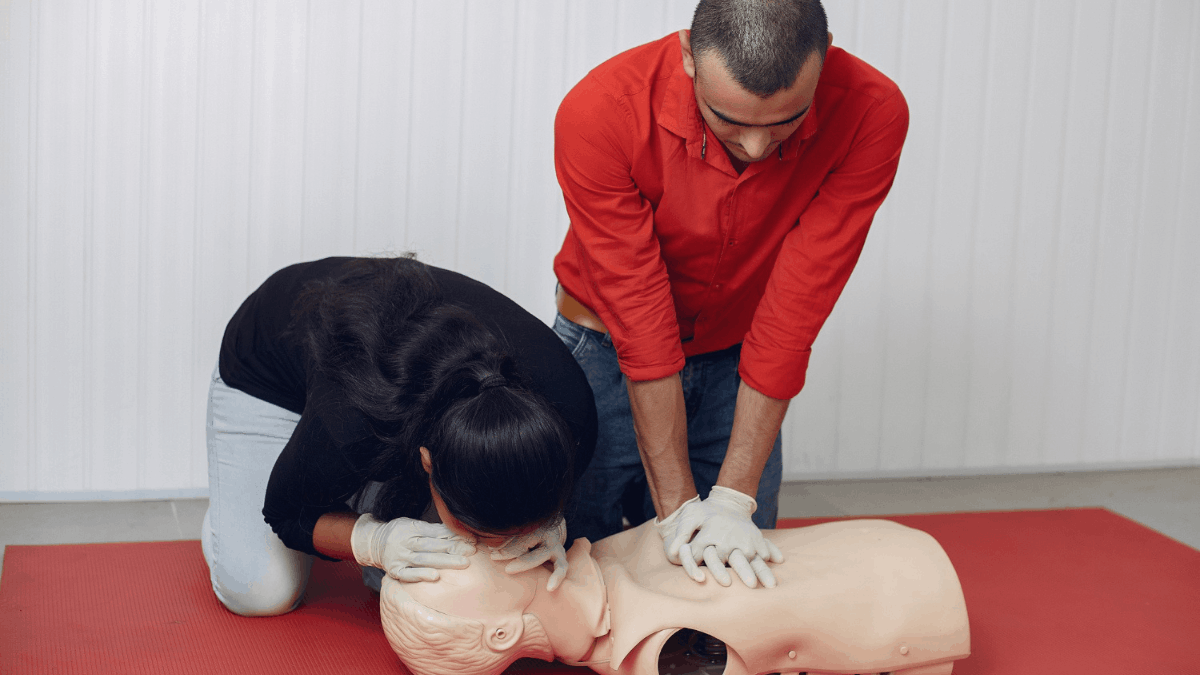
The history of emergency response is a fascinating journey of human ingenuity and the desire to protect one another. Long before the structured training cpr first aid programmes we recognise today, early civilisations used rudimentary methods to revive the unconscious. These ancient attempts, while based more on instinct than science, laid the groundwork for the life saving protocols that now define our modern safety standards across the globe.
In the modern era, the focus has shifted from mere survival to a sophisticated system of rapid intervention. As medical research advanced, the need for a standardised approach became clear, leading to global organisations that dictate how we respond to cardiac arrests. By exploring all training options currently available, it is easy to see how far we have come from the early days of basic resuscitation.
Today, the accessibility of these skills has reached an all time high. What was once reserved for medical professionals is now a core part of community and corporate responsibility. Understanding the evolution of these methods helps us appreciate the reliability of current training cpr first aid standards, which continue to save countless lives in homes and workplaces every single day.
From Ancient Instincts to Scientific Discovery
The early roots of emergency care were often experimental and unrefined. In the 18th century, some societies used bellows to push air into the lungs or used heat to stimulate life. It was not until the mid 20th century that the modern version of training cpr first aid began to take a recognisable shape, combining external chest compressions with rescue breathing.
The Birth of Modern Resuscitation
The 1960s marked a pivotal turning point when doctors discovered that rhythmic pressure on the chest could maintain blood circulation. This discovery revolutionised medical care, moving away from purely respiratory support. Professional first aid training quickly incorporated these findings, creating the first formal certifications that allowed the general public to assist in cardiac emergencies effectively.
- Standardise compression depth to ensure blood reaches the brain.
- Integrate rescue breaths to maintain oxygen levels in the bloodstream.
- Simplify protocols for easier retention by non medical responders.
- Establish clear cycles of compressions to improve survival rates.
- Create manikins for realistic practice without risking human safety.
Global Standardisation of Protocols
As travel expanded, the need for uniform emergency procedures grew. Today, international committees ensure that training cpr first aid follows the same evidence based guidelines regardless of your location. This global alignment means that a first aider trained in Malaysia can effectively assist in a crisis anywhere else, maintaining a high standard of care.
The Digital Transformation of Safety Education
Technology has completely reshaped how we acquire life saving skills. While traditional classrooms remain vital, the digital age has introduced blended learning models that cater to our fast paced world. Modern training cpr first aid now utilises high-fidelity simulations to make learning more interactive and accessible than ever before.
Interactive Learning and Virtual Reality
One of the most exciting shifts is the use of virtual reality to simulate high stress environments. These tools allow students to experience the adrenaline of a real crisis safely. When companies look for advanced first aid for their teams, they often choose programmes that use these immersive technologies to build deeper emotional resilience and faster reaction times.
- Utilise digital feedback manikins that measure compression accuracy.
- Access online theory modules to learn at a personalised pace.
- Engage in virtual scenarios to practice situational awareness.
- Track progress through digital certifications and cloud records.
- Use mobile apps for quick refreshers on life saving protocols.
The Rise of Public Access Defibrillation
The integration of technology is most evident in the widespread placement of AED units in public spaces. Modern training cpr first aid focuses heavily on how to use these devices alongside manual skills. Because these machines provide verbal instructions, they empower those with minimal experience to act, though professional training remains the best way to ensure they are used correctly.
Workplace Safety and Regulatory Evolution
The corporate world has played a massive role in the evolution of safety training. Governments now mandate that businesses maintain a certain number of trained responders to protect employees. This shift has turned training cpr first aid into a professional requirement, significantly improving the safety of industrial and office environments worldwide.
Meeting Legal Occupational Standards
In Malaysia, strict guidelines are set for workplace first aiders. Employers must ensure their staff are proficient in basic occupational first aid to comply with local laws. This regulatory pressure has led to a boom in high quality training providers that specialise in tailoring emergency protocols to specific workplace hazards.
- Identify specific workplace risks like falls or chemical exposure.
- Designate a sufficient number of first aiders per employee count.
- Maintain fully stocked medical kits that meet regulatory lists.
- Conduct regular drills to ensure skills remain sharp and ready.
- Ensure certifications are kept up to date through periodic refreshers.
Building Corporate Social Responsibility
Beyond legal compliance, providing training cpr first aid is now seen as a key part of a company culture. Businesses that prioritise the well being of their staff foster higher levels of trust. Professional training groups like ASEC help companies understand their about us values by turning safety into a shared mission that benefits everyone from the boardroom to the factory floor.
Frequently Asked Questions
Here are common questions about training cpr first aid we often receive:
Conclusion
The evolution of training cpr first aid reflects our growing understanding of human health and our collective commitment to safety. From ancient revival attempts to the high tech simulations of today, the core mission has never changed: to save lives. As we look to the future, the continued integration of technology and widespread education will only make our communities more resilient.
The long term benefits of these advancements are undeniable, as more people than ever are now equipped to act in an emergency. According to the National Heart Institute, immediate intervention is the most significant factor in surviving a cardiac event. By staying informed and keeping our skills current, we contribute to a global network of first responders who are ready to make a difference.
If you are ready to be part of this life saving tradition, the next step is finding a course that meets your specific needs. We invite you to explore our various first aid training options to discover how you can gain the skills and confidence to protect those around you. Investing in your education today is the most powerful way to ensure a safer and more secure future for everyone.