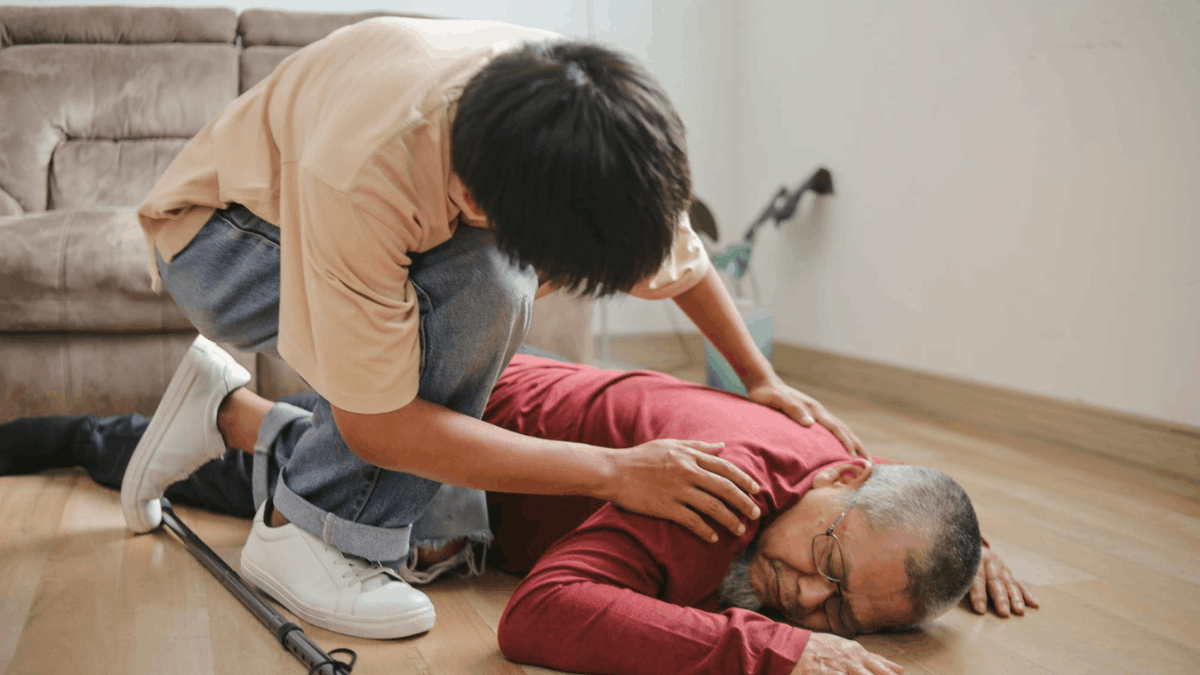
In Malaysia, the minutes spent waiting for an ambulance are the most critical for survival. By enrolling in all training programmes that focus on immediate response, you effectively become the first link in the chain of survival. A basic life support course provides the skills and mental fortitude required to keep someone stable until professional help arrives.
The value of this training extends far beyond a certificate. It is about the peace of mind that comes from knowing you can act when others might be paralysed by fear. Whether you are a parent or a professional, the ability to perform high quality chest compressions is an invaluable asset. Taking the time to learn today ensures you are never a helpless bystander tomorrow.
Understanding the Core Components of BLS
A basic life support course is accessible to everyone, regardless of their medical background. It strips away complex jargon and focuses on high impact actions that keep a person alive during a cardiac crisis. The goal is to maintain blood flow and oxygenation to the brain, preventing permanent damage while professional responders are en route.
Essential Life Saving Techniques
The curriculum is built around several pillars of emergency care. Participants learn the “DRCAB” method, which stands for Danger, Response, Compressions, Airway and Breathing. This systematic approach ensures that you do not miss any vital steps when adrenaline is high and every second counts.
- Assess the scene for danger to ensure the safety of the rescuer.
- Check for responsiveness by tapping the shoulders and shouting loudly.
- Activate the emergency response system by calling 999 immediately.
- Perform chest compressions at a rate of 100 to 120 beats per minute.
- Provide rescue breaths if you are trained and comfortable doing so.
Mastery of the AED
Modern technology has made life saving more effective through the AED unit. These portable devices are now found in many Malaysian malls and office buildings. A basic life support course teaches you how to deploy these machines quickly, as they can automatically analyse the heart rhythm and deliver a shock if necessary to restart a heart.
Workplace Benefits and Occupational Safety
For many employees, attending a basic life support course is a professional requirement. Employers in Malaysia are increasingly aware of their duty of care, and having a trained team is a core component of a healthy workplace culture.
Compliance and Risk Management
Under the Occupational Safety and Health Act, companies must maintain a safe environment. Providing basic occupational first aid training helps businesses comply with safety regulations while significantly reducing the risk of fatalities. When employees are trained, they become more conscious of hazards, which naturally leads to a decrease in overall accidents.
- Increase employee confidence in handling high pressure situations.
- Minimise recovery time for casualties through rapid initial intervention.
- Enhance workplace morale by showing that the company values safety.
- Reduce potential legal liabilities by meeting national safety standards.
- Create a cohesive team dynamic through shared practical safety drills.
Enhancing Professional Employability
Having a valid certification can be a significant advantage in the job market. Many industries look favourably upon candidates who are already certified. Professional organisations like ASEC offer these certifications to help individuals stand out. You can learn more about our mission to raise safety standards by visiting our dedicated team page.
Why Timing is the Most Critical Factor
The science behind resuscitation is simple: the sooner you start, the better the chances of survival. For every minute that passes without intervention during a cardiac arrest, the probability of survival drops by approximately 10 percent. This makes the skills learned in a basic life support course a race against time.
The Golden Hour and Immediate Response
Bystander intervention can double or even triple a victim’s chance of survival. Professional first aid training emphasises that you do not need to be perfect; you simply need to be fast. Even hands only CPR is significantly better than doing nothing at all while waiting for professional medical teams to arrive.
- Recognise the signs of a cardiac arrest or choking incident instantly.
- Begin chest compressions within seconds of identifying a non responsive victim.
- Use a defibrillator within the first three minutes for the best outcomes.
- Maintain high quality cycles until professional medical teams take over.
- Provide clear information to paramedics upon their arrival at the scene.
Real World Scenarios and Stress Management
A major part of the training involves simulated scenarios that mimic real life emergencies. Instructors help you manage the physical and emotional stress so that your movements become instinctive. By practicing on manikins, you gain the muscle memory needed to perform compressions with the correct depth and rhythm, even when your heart is racing.
Frequently Asked Questions
Here are common questions about a basic life support course we often receive:
Conclusion
Enrolling in a basic life support course is one of the most significant investments you can make for your community. It transforms you from a spectator into an active responder, giving you the skills to intervene during a person’s most vulnerable moments. In a world where accidents are unpredictable, being prepared is the only way to ensure a medical crisis does not end in preventable loss.
The long term benefits of this training extend into every facet of your life, providing safety at home and in public spaces. According to the Malaysian Red Crescent Society, community training is essential for improving national survival rates. By taking this step, you contribute to a safer environment where help is always nearby.
If you are ready to gain the confidence to save a life, the next step is choosing a programme that fits your schedule. We invite you to explore our first aid training options to find a session that provides the hands on experience you need. Signing up for a basic life support course today is the first step toward being ready when it matters most.