
Imagine standing in a crowded shopping mall or at a family dinner when someone suddenly collapses. The air grows heavy with panic as onlookers freeze, unsure of what to do. In these terrifying seconds, having the knowledge of cpr can turn a tragic situation into a story of survival. Cardiovascular emergencies are a leading cause of death globally, yet many of these fatalities could be prevented if a bystander knew how to perform basic resuscitation techniques effectively.
The primary goal of emergency intervention is to keep oxygenated blood flowing to the brain and other vital organs. This is achieved through a combination of chest compressions and, in some cases, rescue breaths. By exploring all training modules available, you can build the muscle memory required to act instinctively when a life is on the line. Being prepared is not just about having a certificate; it is about having the courage to step forward when everyone else is stepping back.
Mastering cpr is an essential life skill that transcends professional boundaries. Whether you are a dedicated office worker, a teacher, or a concerned parent, the ability to stabilise a casualty until paramedics arrive is invaluable. This guide will walk you through the essential procedures and guidelines to ensure you are equipped with the latest evidence based techniques to handle a medical crisis with precision and calm.
Fundamental Steps of CPR
When you encounter an unconscious person, the first few moments are critical for establishing a successful rescue. The core of cpr follows a systematic approach often referred to as the DRCAB protocol. This ensures that the rescuer remains safe while providing the most impactful care possible to the victim.
Assessing the Scene and Casualty
Before touching the casualty, you must ensure that the area is safe for you to enter. If you become a victim yourself, you cannot help anyone else. Once safety is confirmed, you check for responsiveness and breathing to determine if cpr is actually required.
- Danger: Check for traffic, electricity, or fire before approaching.
- Response: Tap the casualty and shout loudly to check for consciousness. If there is no response, instruct a bystander to call 999 immediately and assess for normal breathing.
- Compression: Commence chest compression if no breathing detected.
- Airway: Open airway by performing head-tilt, chin-lift technique.
- Breaths: Provide 2 rescue breaths.
Initiating Chest Compressions
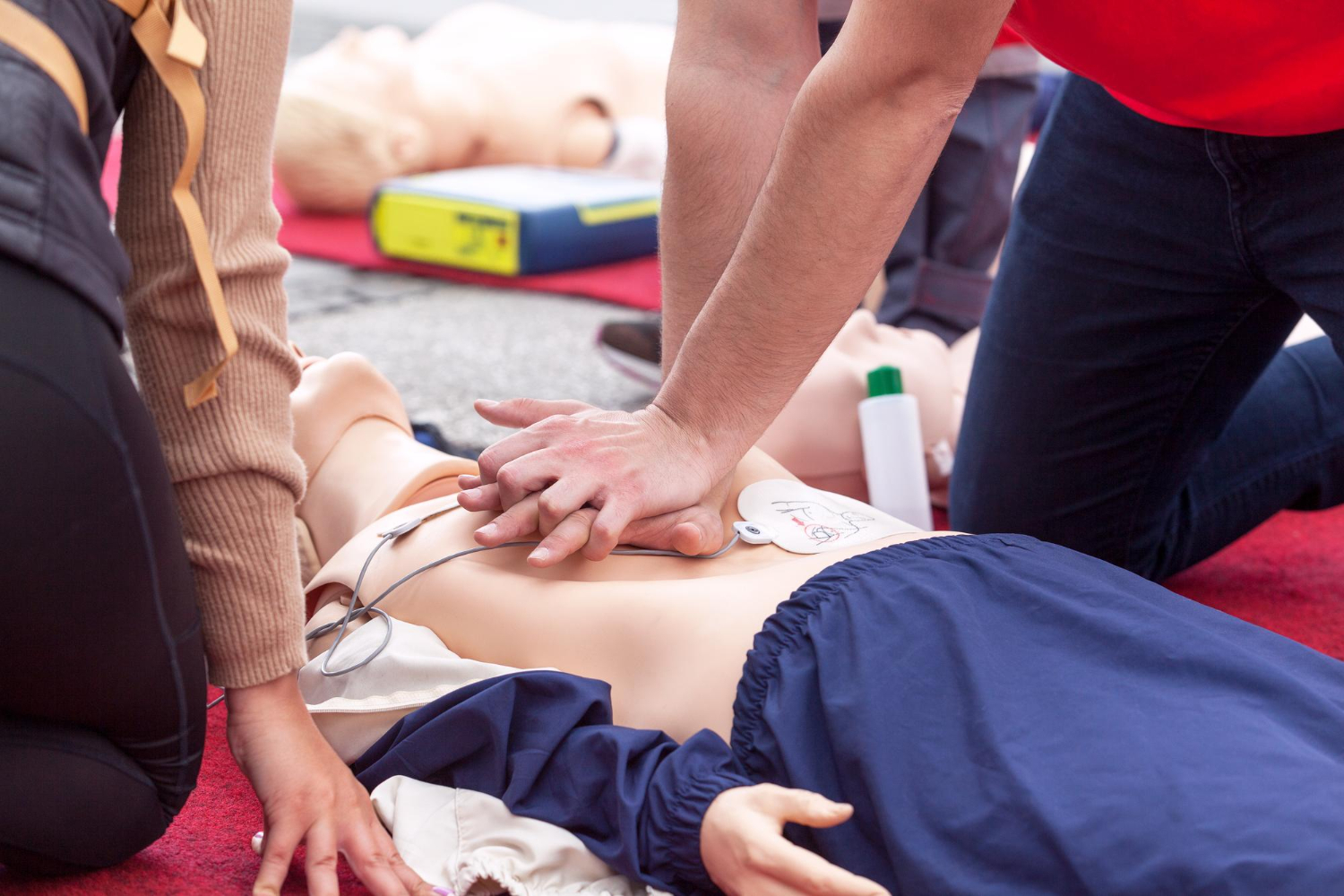
If the casualty is not breathing normally or not breathing at all, you must begin chest compressions immediately. This is the most vital part of cpr because it physically pumps blood when the heart cannot. You should place the heel of one hand in the centre of the chest and push hard and fast, aiming for a depth of at least five centimetres in adults. This rhythmic pressure maintains the vital circulation needed to prevent brain death during the wait for professional medical teams.
Integrating Modern Technology with Manual Care
Manual skills are the foundation of emergency response, but technology has provided us with tools that significantly increase survival rates. A modern cpr response often involves the use of devices designed to restart the heart, which manual compressions alone rarely achieve.
The Role of the AED
An AED is a portable device that can diagnose life threatening heart rhythms and deliver a shock to correct them. During a cpr incident, the arrival of a defibrillator should be treated as a priority. These machines are designed to be used by anyone, as they provide clear voice instructions that guide the rescuer through every step of the process.
- Power on the machine and follow the vocal prompts.
- Apply the pads to the bare chest as shown in the diagrams.
- Clear the area so the machine can analyse the heart rhythm.
- Press the shock button only when the device instructs you to do so.
- Resume chest compressions immediately after the shock is delivered.
Managing High Stress Situations
Operating a device while performing manual resuscitation is a high pressure task. Professional first aid training helps responders manage this stress by practicing coordinated team drills. When two people are available, one can focus on the compressions while the other sets up the equipment, ensuring that there are minimal interruptions to the blood flow, which is a key guideline in modern cpr.
Occupational Standards and Team Dynamics
In the workplace, the application of cpr first aid is often governed by health and safety regulations. Companies have a legal and moral obligation to ensure that their staff are protected. This creates a need for designated responders who can work together as a cohesive unit during an industrial or office based emergency.
Compliance with Safety Regulations
Employers must ensure that their first aiders are properly certified and that their skills are current. Enrolling staff in a basic occupational first aid course ensures that the team meets the standards set by the Department of Occupational Safety and Health. This preparation reduces the risk of workplace fatalities and builds a culture of mutual care and responsibility.
- Designate clear roles for each member of the response team.
- Maintain accessible and fully functional medical equipment on site.
- Conduct regular mock drills to keep the response times low.
- Record and review all safety incidents for future improvements.
- Provide psychological support for responders after an event occurs.
Building Trust Through Competency
When employees know that their colleagues are proficient in cpr, it fosters a sense of security and trust within the organisation. Professional training centres like ASEC specialise in providing the hands on experience needed to turn theoretical knowledge into practical expertise. You can learn more about our commitment to building safer workplaces by exploring our various certification programs.
Frequently Asked Questions
Here are common questions about cpr we often receive:
Conclusion
The power to save a life is a responsibility that we should all take seriously. Mastering the procedures of cpr is not just a technical requirement for some jobs; it is a fundamental act of humanity. When we take the time to learn these skills, we contribute to a safer society where every person has a better chance of returning home to their family after a medical crisis.
The long term benefits of community wide education are reflected in rising survival rates for out of hospital cardiac arrests. According to the St John Ambulance of Malaysia, early intervention is the most critical factor in determining the outcome of a health emergency. By committing to regular training, you ensure that your response is fast, accurate, and effective whenever the need arises.
If you are ready to gain the confidence to handle an emergency, the next step is finding a reputable provider to guide you. We invite you to explore our first aid training options to find a session that fits your schedule and professional needs. Taking the time to learn cpr today is the best way to ensure you are ready to be a hero when it matters most.