
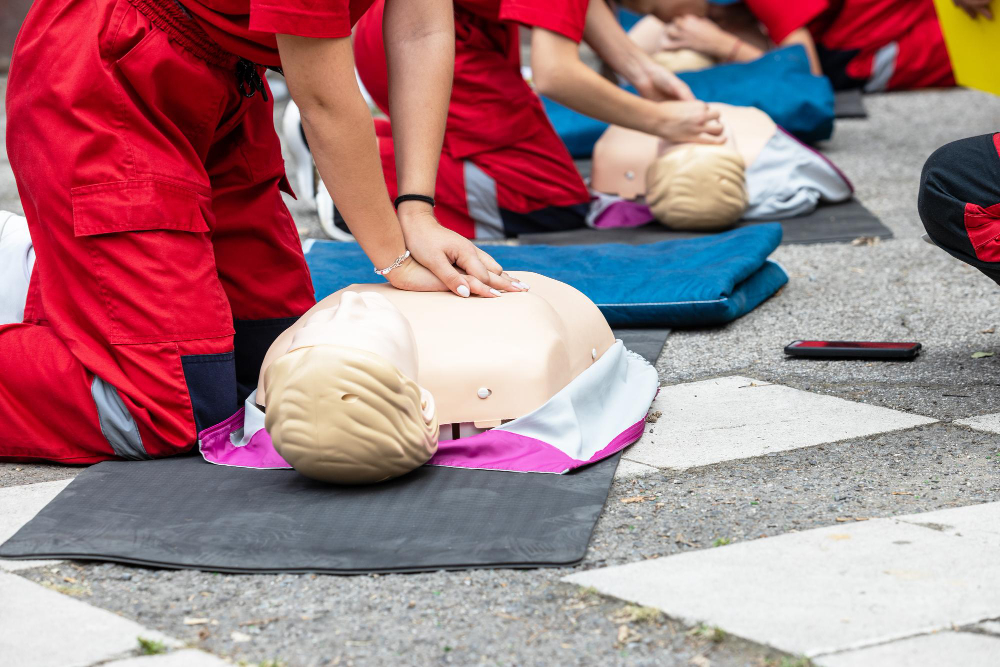
The transition into adulthood is a period defined by the development of essential life skills. While traditional education focuses on academics, many young adults seek practical ways to stand out in a competitive world. One of the most impactful ways to build character and resilience is by obtaining a cpr certification. This credential represents far more than a medical skill; it is a badge of readiness and a commitment to the well being of others that resonates with modern employers.
For many young people, the first time they feel the weight of responsibility is when they are positioned to help someone in distress. By engaging in all training modules that focus on emergency response, they learn that leadership is about the willingness to take action. This shift in mindset from a passive bystander to an active responder is a powerful catalyst for personal growth. It builds a sense of self efficacy that carries over into university life and their first professional workplace.
Becoming certified instills a level of discipline rare in today’s digital age. It requires a young adult to master a sequence of life saving steps executed with precision. This journey towards achieving a cpr certification teaches the value of preparation and the importance of remaining calm under pressure. These are foundational qualities of effective leadership that serve them well for decades, regardless of the career path they eventually choose.
Developing Composure Under Pressure
Leadership is most visible during a crisis, and nothing tests composure like a medical emergency. A cpr certification course places young adults in simulated high stakes environments where they must think clearly while their heart rate is elevated. This training helps develop a resilience muscle used to process information and make decisions even when an environment is chaotic.
The Psychology of First Response
The training goes beyond physical mechanics to delve into the psychological aspects of taking charge. Young adults learn to manage the initial surge of adrenaline, allowing them to provide clear instructions to bystanders. This ability to regulate emotions is a hallmark of emotional intelligence, a key trait for any future leader.
- Master rapid situation assessment to identify the best course of action.
- Practise controlled breathing techniques to maintain focus during the rescue.
- Learn to project a calm and authoritative presence to reassure onlookers.
- Develop the mental stamina required to continue resuscitation efforts.
- Reflect on performance through debriefing to identify areas for growth.
Transferable Skills for the Professional World
The composure learned during the path to cpr certification is directly applicable to workplace challenges. Whether it is a missed deadline or a complex project, the young adult who has trained for life and death situations finds daily stresses much easier to navigate. Employers recognise this, often viewing certified individuals as more reliable team members who can be trusted with significant responsibilities.
Communication and Team Coordination Skills
In any emergency, the person performing resuscitation cannot work in isolation. They must delegate tasks effectively, such as telling a specific person to call for help or fetch an AED unit. This necessity for clear, direct, and respectful communication is one of the most practical leadership lessons provided by a cpr certification.
The Power of Delegated Action
Effective leaders know they cannot do everything themselves. During a rescue, a young adult learns the importance of giving clear instructions to ensure tasks are completed. This experience of managing a small group toward a singular goal provides a practical foundation for project management and team leadership roles in the future.
- Assign specific roles to bystanders to prevent the bystander effect.
- Use loud and clear verbal commands to cut through environmental noise.
- Verify that instructions have been understood and acted upon immediately.
- Coordinate with professional paramedics to ensure a smooth transition of care.
- Balance manual tasks with the oversight of the entire emergency scene.
Collaboration in Diverse Settings
Modern first aid education often includes working as part of a multi person rescue team. When young people participate in basic occupational first aid drills, they learn to adapt their communication style to work with people from all walks of life. This exposure builds social confidence and the ability to bridge gaps between different personality types, which is essential for leading diverse teams.
Building a Resume with Social Responsibility
In a job market where many candidates have similar degrees, a cpr certification acts as a powerful differentiator. It tells a story of an individual who is proactive, socially conscious, and prepared for the unexpected. For young adults, this certification is a tangible way to demonstrate their values and their commitment to community safety.
Standing Out in the Talent Pool
Recruiters look for soft skills that are hard to teach in a traditional office setting. By listing their certification, young adults signal that they possess initiative and a sense of duty. Many professional bodies, such as ASEC, offer specialised courses that help individuals understand the values of safety and professional integrity, making them more attractive to high level employers.
- Highlight a commitment to safety and health in the workplace.
- Demonstrate the ability to follow complex regulatory protocols and standards.
- Show proof of recent professional development and skill acquisition.
- Align with corporate social responsibility goals of potential employers.
- Provide evidence of physical and mental readiness for demanding roles.
Long Term Community Engagement
Beyond career benefits, being certified encourages young adults to take an interest in the well being of their neighbourhoods. They become advocates for safety, often encouraging their peers to also seek a cpr certification. This grassroots leadership helps build more resilient communities and fosters a culture where people feel empowered to look out for one another, creating a positive social legacy.
Frequently Asked Questions
Here are common questions about cpr certification we often receive:
Conclusion
Obtaining a cpr certification is a transformative experience that provides young adults with a blend of technical competence and leadership qualities. It teaches them that being a leader is about presence and the ability to care for others during their most vulnerable moments. As they move through life, the confidence they gain from this training will help them navigate challenges with grace.
The investment in this skill set pays dividends in the potential lives saved and the professional doors it opens. According to the Ministry of Health Malaysia, having more trained citizens in the community is vital for improving national health outcomes. When young adults take the lead in getting certified, they set a standard for their peers and contribute to a safer, more prepared nation.
If you are ready to take the next step in your personal journey, choosing the right training provider is essential. We invite you to explore our first aid training options to find a course that will empower you with the skills of a leader. Investing in a cpr certification today is a commitment to a future where you are always ready to make a difference.