
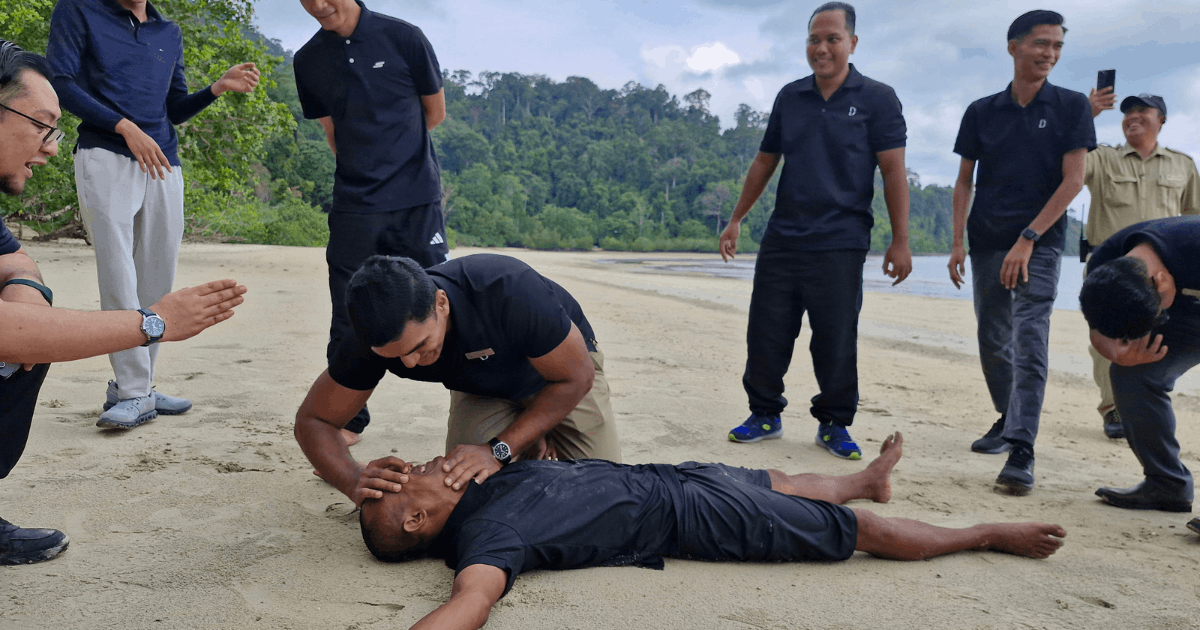
The monsoon season in Malaysia brings heavy downpours, flash floods and road accidents. While we protect our homes, the most critical investment is the ability to provide medical help when emergency services are delayed by rising waters. Having completed a basic first aid course can be the difference between a minor injury and a tragedy.
The unpredictability of weather means a sunny afternoon can quickly turn into a localised disaster. By browsing through all training options, individuals can equip themselves with the knowledge to stabilise a casualty before professional help arrives. This strengthens the resilience of our neighbourhoods during the year’s most challenging months.
First aid during the rainy season bridges the gap between injury and the arrival of paramedics. Whether it is managing wounds from flood debris or recognising waterborne illnesses, the skills learned in a professional setting are indispensable. This article explores how basic training prepares you for specific environmental hazards that peak during the Malaysian monsoon.
Navigating the Hazards of Rising Waters
Floodwaters hide submerged objects and open drains that cause physical harm. A basic first aid course provides skills to treat lacerations and puncture wounds occurring in flooded areas. Without proper dressing, even small scratches can lead to severe infections due to bacteria in stagnant water.
Managing Physical Trauma and Drowning Risks
Flood risks include slips and falls, requiring responders to stabilise limbs and control bleeding. The threat of near drowning is also a reality in areas prone to rapid water rises. Learning resuscitation is a core component of basic occupational first aid programmes, ensuring you can act if someone is pulled from the water.
- Perform high quality chest compressions to maintain circulation.
- Apply direct pressure to control severe external bleeding.
- Utilise appropriate lifting techniques to move casualties safely.
- Identify symptoms of hypothermia in individuals submerged for long periods.
- Clear the airway of a drowning victim using manual thrusts.
Recognising Waterborne Illnesses
Flood aftermath brings risks like cholera or leptospirosis. A comprehensive course teaches participants to recognise red flags of dehydration and systemic infection. This allows for early intervention, ensuring vulnerable groups receive medical attention before their condition deteriorates.
Electrical Safety and Environmental Risks
A major overlooked danger during flooding is electrocution. Water is an effective conductor, and fallen power lines can turn a flooded room into a trap. Training emphasises the “safety first” rule, teaching responders to assess the environment for electrical hazards before attempting a rescue.
Identifying Hidden Electrical Dangers
A basic first aid course instils a disciplined approach to scene size up. Responders learn they cannot help if they become casualties themselves. Training providers often share more about this and focus on situational awareness to prevent secondary accidents during rescue attempts.
- Switch off the main power supply before entering flooded areas.
- Use non conductive materials to move victims from live wires.
- Look for crackling sounds indicating electrical leakage.
- Avoid standing in puddles in contact with electrical outlets.
- Treat electrical burns with cool water while avoiding ointments.
Animal and Insect Encounters
Monsoon rains force wildlife, including snakes, into residential areas. Flooded homes provide refuge for these creatures, leading to more bites. First aid instruction covers protocols for venomous encounters, emphasising keeping the victim calm and the limb immobilised.
Maintaining Equipment and Skill Readiness
Having knowledge is only half the battle; the right tools are also required. During the monsoon, a first aid kit must be waterproof and accessible. A basic first aid course includes kit maintenance, ensuring supplies remain sterile despite high humidity.
Preparing Your Monsoon Emergency Kit
A kit should be stored in a waterproof bag in a dry location. It should contain items suited for wet weather, such as waterproof adhesive bandages. Many find that exploring resources online helps customise kits based on safety recommendations for tropical climates.
- Store extra sterile gauze to manage wounds from debris.
- Include a space blanket to prevent heat loss in wet conditions.
- Pack a manual suction device to help clear airways.
- Keep rehydration salts to combat waterborne diseases.
- Ensure batteries in your torch and AED are fully functional.
The Psychology of First Aid
The chaotic nature of a disaster can cloud judgment. Training builds muscle memory through scenario based learning. This ensures that when the water is rising, you can rely on training rather than instinct. Mental preparedness allows a first aider to provide calm instructions during a crisis.
Frequently Asked Questions
Here are common questions about a basic first aid course we often receive:
Conclusion
The monsoon season is inevitable, but its risks can be mitigated through preparation. A basic first aid course offers the skills and peace of mind to protect loved ones when they are most vulnerable. Whether dealing with a minor cut or an emergency, the ability to act with confidence is a priceless asset.
Investing in training builds a foundation of safety that lasts long after the rains stop. It fosters a culture of readiness that benefits the entire community. According to the, being prepared is the most effective way to reduce the impact of seasonal floods.
If you are ready to take the next step, finding the right programme is essential. We invite you to explore our first aid training options to find a session that fits your needs. Enrolling in a basic first aid course today is a direct investment in the safety of your community for many monsoon seasons to come.