
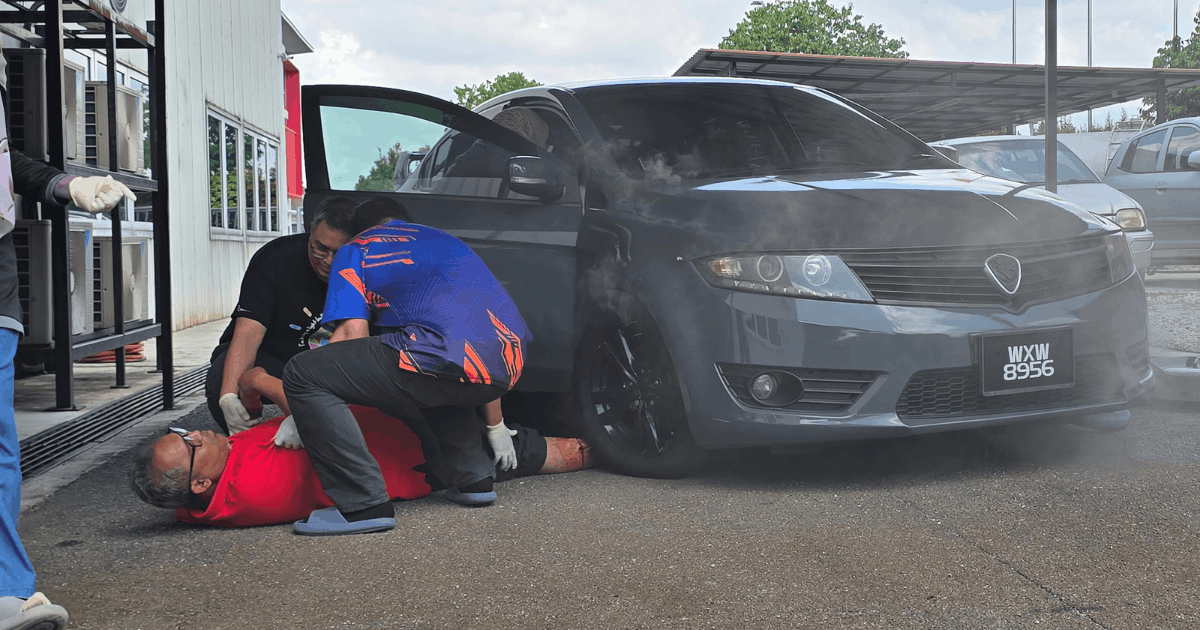
Every time we drive, we share the road with thousands of others. While we prioritise vehicle maintenance, the reality of road accidents remains a concern on Malaysian highways. Witnessing a collision is traumatic and often leads to helplessness. However, completing professional first aid cpr training transforms a bystander into a capable responder who can provide critical support during the golden hour of trauma care.
The moments following a road accident are vital for survival. When emergency services are delayed by traffic, interventions by fellow motorists can prevent fatalities. By exploring all training options, drivers gain technical skills to manage injuries ranging from lacerations to cardiac arrest. This readiness saves lives and fosters community responsibility.
Being prepared is about technical knowledge and psychological resilience. Roadside emergencies are chaotic, but the structured approach taught in certification ensures your response is systematic. This article explores how specific training modules prepare drivers for automotive accidents and why these skills are indispensable for anyone navigating modern road networks.
Immediate Actions at an Accident Scene
In a road collision, the goal of anyone with first aid cpr training is to stabilise the situation safely. Roadside environments are dangerous due to traffic and fuel leaks. Responders follow a specific order of operations to ensure the safety of the rescuer, casualties and other road users before medical intervention begins.
Scene Safety and Traffic Control
Before approaching a vehicle, a responder must evaluate environmental hazards. This includes checking for petrol smells or secondary collision risks. Training provides the discipline to park safely, use hazard lights and set up warning triangles before assisting an injured person.
- Secure the area by positioning your vehicle as a shield.
- Evaluate the scene for fire risks or hazardous spills.
- Instruct bystanders to manage traffic or call emergency services.
- Approach casualties only when the vehicle is stable.
- Avoid moving victims unless there is an immediate threat.
Assessing the Casualty via DRSABCD
Once the scene is safe, systematic assessment begins. Drivers learn the DRSABCD protocol: Danger, Response, Send for help, Airway, Breathing, CPR and Defibrillation. This ensures life threatening issues are addressed first. Professional safety groups often share about us and their commitment to teaching these protocols to ensure every driver is a potential lifesaver.
Managing Severe Trauma and Cardiac Arrest
Road accidents result in high impact trauma requiring immediate physical intervention. Unlike office environments, a roadside rescue might involve extracting victims from cramped spaces. Practical drills in first aid cpr training prove their value, allowing responders to apply bandages or perform compressions despite the surrounding chaos.
Resuscitation Techniques for Motorists
If a victim is unconscious and not breathing, the responder must begin resuscitation. High stress can make it difficult to remember compression rates, which is why muscle memory from a first aid course is vital. Keeping blood flowing through CPR sustains life until paramedics arrive with advanced equipment.
- Deliver chest compressions at 100 to 120 beats per minute.
- Ensure the chest fully recoils after each compression.
- Use an AED if one is available nearby.
- Continue the cycle until professional help takes over.
- Minimise interruptions to keep oxygenated blood moving.
Controlling Catastrophic Bleeding
Uncontrolled bleeding is a leading cause of preventable death in accidents. Drivers learn to use direct pressure and trauma dressings to stem blood flow. In extreme cases, the use of a tourniquet may be discussed, though the primary focus remains on effective pressure application maintained until an ambulance arrives.
Specialised Care for Vehicular Injuries
Vehicular accidents present specific injuries like whiplash or internal organ damage. A driver with first aid cpr training understands that some dangerous injuries are not visible. This awareness prevents bystanders from accidentally worsening a spinal injury by moving a victim incorrectly.
Spinal Management and Head Injuries
Unless a vehicle is on fire, the rule is to keep the victim in the seat to protect the spinal cord. Responders learn manual inline stabilisation, holding the head still to prevent neck movement. This technique is a core pillar of basic occupational first aid because it reduces the risk of permanent paralysis.
- Communicate clearly with the victim to keep them calm.
- Support the head and neck in the position found.
- Monitor for signs of concussion or deteriorating consciousness.
- Check for peripheral sensation in hands and feet.
- Shield the victim from glass shards using a heavy blanket.
Handling Shock and Emotional Trauma
Physical impact is often accompanied by severe shock. A responder learns to recognise symptoms like pale skin and rapid pulse. Providing emotional support and keeping the victim warm are effective ways to manage shock. This human element ensures the victim feels safe during terrifying moments.
Frequently Asked Questions
Here are common questions about first aid cpr training:
Conclusion
Equipping drivers with first aid cpr training is an effective way to improve road safety in Malaysia. By turning motorists into responders, we create a network that bridges the gap until professional medical teams arrive. These skills offer the competence to save lives and the strength to remain calm.
The benefits of this education extend beyond the highway to the home and workplace. According to the Ministry of Transport Malaysia, reducing road injury severity is a national priority. By learning these techniques, you contribute to a safer society where every driver can make a difference.
If you are ready to enhance your safety, choosing a reputable partner is the first step. We invite you to explore our Specialised first aid training programmes to find a course for you. Securing your first aid cpr training today ensures you are ready to protect others whenever you start your engine.