
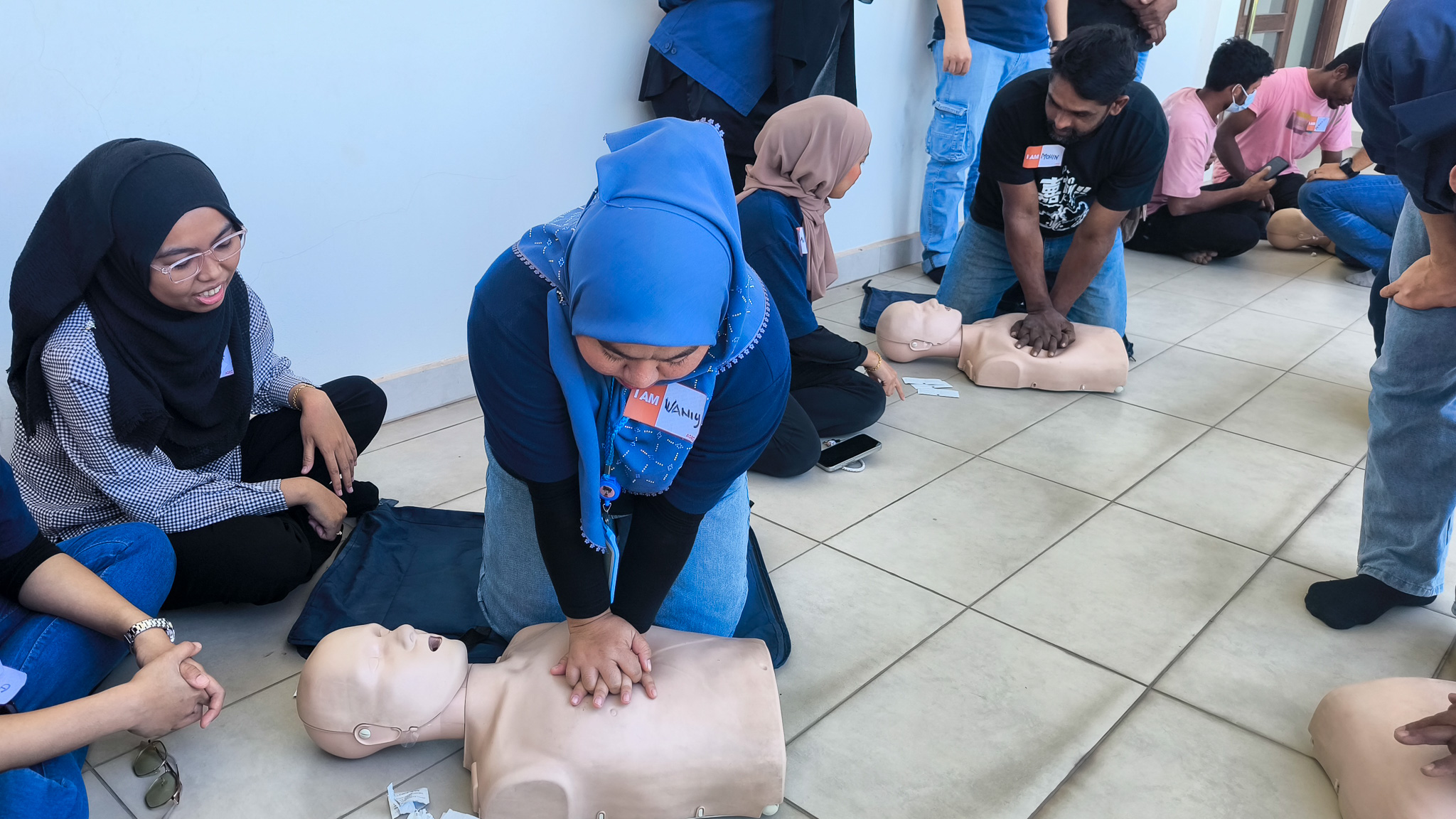
Investing in these skills creates a resilient workforce where safety is a collective responsibility. By reviewing all training options, companies can tailor response strategies to specific factory hazards. This proactive approach fosters a culture of care where employees feel protected. The peace of mind knowing a colleague can step in during a crisis is a powerful asset for any manufacturing business in Malaysia.
Beyond the humanitarian aspect, a clear legal framework mandates these preparations. Malaysian law requires workplaces to maintain a standard of medical readiness to handle occupational hazards. Understanding core training modules helps organisations stay compliant while reducing the risk of workplace fatalities. This guide explores the essential applications of emergency care within the manufacturing sector.
The Role of First Aid in Industrial Safety
In a factory, basic occupational first aid serves as the primary defense against escalating injuries. The environment is vastly different from an office, requiring responders to be familiar with trauma management. Training ensures that the response is systematic rather than panicked, which is essential when dealing with high pressure machinery or electrical systems.
Addressing Common Manufacturing Injuries
Manufacturing environments present unique injury profiles such as lacerations from sharp metal or crush injuries. Responders must identify the severity of these wounds and apply the correct intervention. Professional providers often highlight their experience in preparing industrial teams for high-intensity scenarios through their About Us page, offering insights into their expertise and training approach.
- Control severe bleeding using direct pressure or trauma dressings.
- Stabilise suspected fractures to prevent further nerve damage.
- Flush chemical burns with water to neutralise corrosive substances.
- Manage eye injuries caused by flying debris or splashes.
- Provide initial care for amputations by preserving severed parts.
Compliance with Malaysian Safety Regulations
The Department of Occupational Safety and Health (DOSH) outlines specific requirements for first aid. Companies must ensure they have enough trained first aiders based on headcount and risk level. Adhering to these guidelines through certified basic occupational first aid courses ensures the company avoids legal penalties while maintaining employee protection.
Responding to Cardiac Events and Sudden Illness
Manufacturing workers are susceptible to medical emergencies like heart attacks, often exacerbated by heat stress. The ability to perform high quality resuscitation is a core pillar of basic occupational first aid that every factory should prioritise. These events can happen anywhere, making widespread training essential for workplace safety.
Utilising Automated External Defibrillators (AED)
In many Malaysian factories, the presence of an AED has become standard. However, the device is only effective if staff knows how to integrate it into resuscitation efforts. Training modules teach responders how to navigate a noisy factory floor while using these devices to restart a heart in the event of sudden cardiac arrest.
- Apply the AED pads to a bare, dry chest immediately.
- Follow the voice prompts of the device without delay.
- Ensure no one is touching the casualty during rhythm analysis.
- Deliver the shock promptly if advised by the system.
- Resume chest compressions immediately after the shock.
Managing Heat Related Illnesses
Factories with high temperature processes can lead to heat exhaustion among workers. Basic occupational first aid training provides the skills to recognise early symptoms like dizziness or confusion. Early intervention, such as moving the worker to a cool area, can prevent a collapse that might result in a secondary injury from falling into moving machinery.
Hazard Control and Scene Management
Safety is not just about treating an injury; it is about managing the environment. An untrained responder might rush into a dangerous area, becoming a second casualty. Through basic occupational first aid instruction, employees learn to evaluate the scene for ongoing threats before they attempt to provide care.
Securing the Incident Area
In a manufacturing plant, an accident often involves active machinery. Responders are taught the DRCAB protocol. This systematic approach ensures power is cut to a machine before the first aider begins work. This level of discipline is what makes professional first aid training so valuable for industrial operations.
- Assess the scene for hazards like gas leaks.
- Check the casualty for a response using talk and touch.
- Shout for help and instruct someone to call emergency services.
- Check for normal breathing for ten seconds.
Effective Communication and Triage
During a major incident involving multiple people, communicating clearly with emergency services is paramount. First aiders act as the eyes of the paramedics. They provide concise reports on the nature of the accident and the interventions performed. This coordination ensures a smooth handover, allowing professional medical teams to take over without loss of critical time.
Frequently Asked Questions
Here are common questions about basic occupational first aid we often receive:
Conclusion
The implementation of basic occupational first aid in the manufacturing sector is a cornerstone of industrial safety. By equipping employees with skills to handle anything from minor cuts to cardiac arrests, companies create a workplace that is safer and more efficient. When workers know their well being is a priority, it builds a foundation of trust that benefits the entire organization.
The long term advantages extend beyond the factory gates, as these life saving skills are carried into homes. According to the Social Security Organisation (SOCSO), workplace safety initiatives significantly reduce the burden of industrial accidents. By committing to regular training, manufacturing firms play a vital role in the goal of a safer Malaysia.
If you are ready to enhance the safety standards of your facility, the next step is choosing a partner that understands industrial demands. We invite you to explore our first aid training programmes to find the right fit for your team. Securing a basic occupational first aid certification for your staff is the most effective way to ensure your workplace remains a safe environment for everyone.