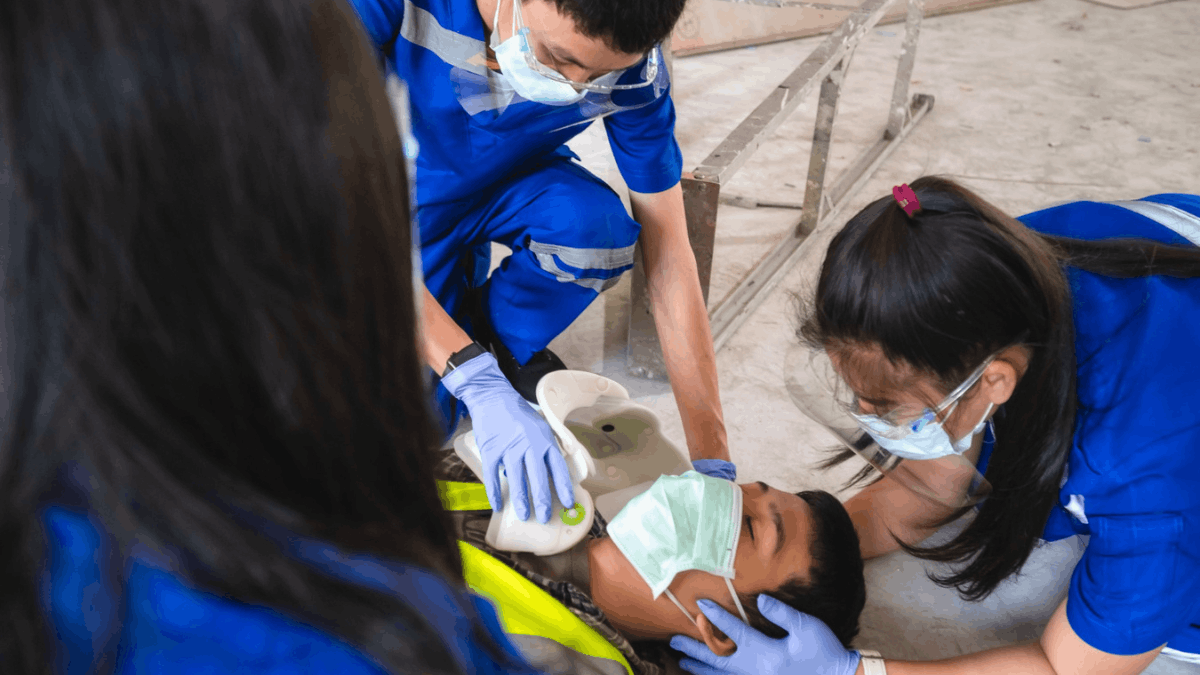
Emergencies can happen anywhere, from a bustling office in Kuala Lumpur to a quiet gathering in the rural area. In a multicultural society like Malaysia, the technical side of helping someone is only part of the picture; respect, communication and an awareness of different backgrounds often shape how a rescue unfolds in real life. Reluctance to step in sometimes stems from a fear of overstepping social or religious boundaries, and these are the kinds of questions that often come up in conversation among people exploring basic first aid training.
When considering all training options available, members of the public can build the technical confidence they need, while also developing a personal awareness of the communities they live and work in. Whether it is a workplace incident or a public collapse, a thoughtful approach helps the casualty feel safe and ensures their dignity is maintained throughout the process.
What Cultural Awareness Means in an Emergency Setting
In everyday emergency situations, cultural awareness simply means recognising and respecting the various beliefs and practices that may influence how a person reacts to medical help. A heart stops the same way in every body, but a person’s comfort with physical touch or the gender of the responder can vary based on their heritage or faith. Modesty is a significant consideration in many cultures across Southeast Asia, and during a rescue it is helpful to balance the need for speed with the casualty’s dignity.
Everyday Considerations During a Rescue
As a general good practice, responders may try to explain what they are about to do before doing it, even if the person is only partially conscious, so that the action feels less startling. Other simple steps that often come up in conversation include:
- Communicating clearly by explaining the necessity of any physical contact.
- Maintaining privacy using blankets or shields if clothing must be loosened.
- Where possible and culturally appropriate, requesting assistance from a same-gender bystander.
Communication and Non-Verbal Cues
Language and non-verbal cues play a significant role in how basic first aid training translates into real-life action. A simple nod or a particular gesture can mean different things across communities. Many first aid practitioners find that using simple, universal language and a “show, don’t just tell” approach helps to bridge gaps during high-pressure medical situations. According to the U.S. Department of Health & Human Services, keeping communication clear and consistently talking to the casualty throughout caregiving can have a calming effect and improves cooperation during an emergency.
While the science behind resuscitation is universal, the way it is applied can be adjusted to feel more inclusive. For example, during the use of an AED, the placement of pads is a technical requirement, but how the responder handles the exposure of the chest can be approached with care and awareness. This kind of adjustment encourages more bystanders to participate in the chain of survival without feeling that they are crossing social norms.
Considering Gender and Physical Contact
In some communities, physical contact between genders is a sensitive matter. A few practical considerations that often come up informally include:
- Using gloves and barriers to maintain professional boundaries.
- Involving family members as “proxies” to assist with touch where suitable.
- Briefly noting the steps taken so it is clear that all actions were carried out for medical necessity.
Respecting Religious and Personal Beliefs
Some religious or personal beliefs may influence how a person views blood, physical contact or even the concept of death. Awareness of these views, picked up through life experience and informal discussions during training sessions, can help avoid misunderstandings that might otherwise lead to conflict during or after an emergency. The focus, throughout, remains on the wellbeing of the individual.
A workplace that values respect and dignity tends to be one where employees feel safer overall. When an organisation invests in basic first aid training for its team, the everyday benefits often go beyond the technical skills themselves, as people become more confident communicating during stressful moments.
Practical Habits That Support Respectful First Aid
Even outside any formal curriculum, several habits tend to develop naturally among confident first aiders:
Listening before acting where time allows. Asking the casualty’s name and using it during the rescue. Keeping a calm tone, even when the situation is loud or chaotic. Inviting a trusted bystander, family member or colleague to stay close to the casualty. Avoiding assumptions about a person’s preferences based on appearance alone.
These small habits, combined with strong basic first aid training in the technical fundamentals, often make the difference between a rescue that feels frightening and one that feels supportive. According to the Mayo Clinic, reassurance is one of the most underrated parts of bystander care.
Building Confidence Through Proper Training
Confidence is one of the biggest factors in whether a bystander steps forward at all. The more familiar someone is with the core techniques, the easier it becomes to focus on the human side of the rescue, including how the casualty feels. Basic first aid training through a recognised provider helps build that foundation, so responders can act steadily under pressure without feeling overwhelmed.
For those who would like to learn the technical fundamentals in a structured environment, the First Aid Class at ASEC offers practical sessions that build everyday emergency response skills Should any questions about real-world scenarios come up during a session, participants are welcome to raise them, and our trainers are always happy to discuss them openly.
Frequently Asked Questions
Here are common questions about basic first aid training we often receive:
Conclusion
Cultural awareness is not a separate skill bolted on to first aid; it is the natural extension of treating every casualty as a person first. A confident responder, equipped with solid basic first aid training and a willingness to read the room, can offer help that feels both effective and respectful. If you would like to learn more or enrol in a course, do contact ASEC today for the latest schedule and details.