The curriculum of a professional first aid course is designed to cater to different levels of responsibility. For those starting out, a fundamental programme provides the confidence to handle common office injuries. On the other hand, specialised roles in heavy industry require a much higher level of clinical assessment. By browsing through all training options available, individuals can identify modules that align with their daily risks and professional obligations.
Safety is not a one size fits all solution. The unique challenges of the Malaysian climate and industrial landscape require different tiers of readiness. This article will break down the core distinctions between basic and advanced levels of instruction. We will explore the variations in techniques, duration and the specific scenarios each level prepares you to face.
The Foundation of Basic Life Support
A basic first aid course serves as the entry point for most civilians and workplace first aiders. It focuses on immediate intervention for life threatening conditions and minor injuries. The primary objective is to preserve life and prevent the condition from worsening until professional medical services arrive.
Essential Skills and Simple Interventions
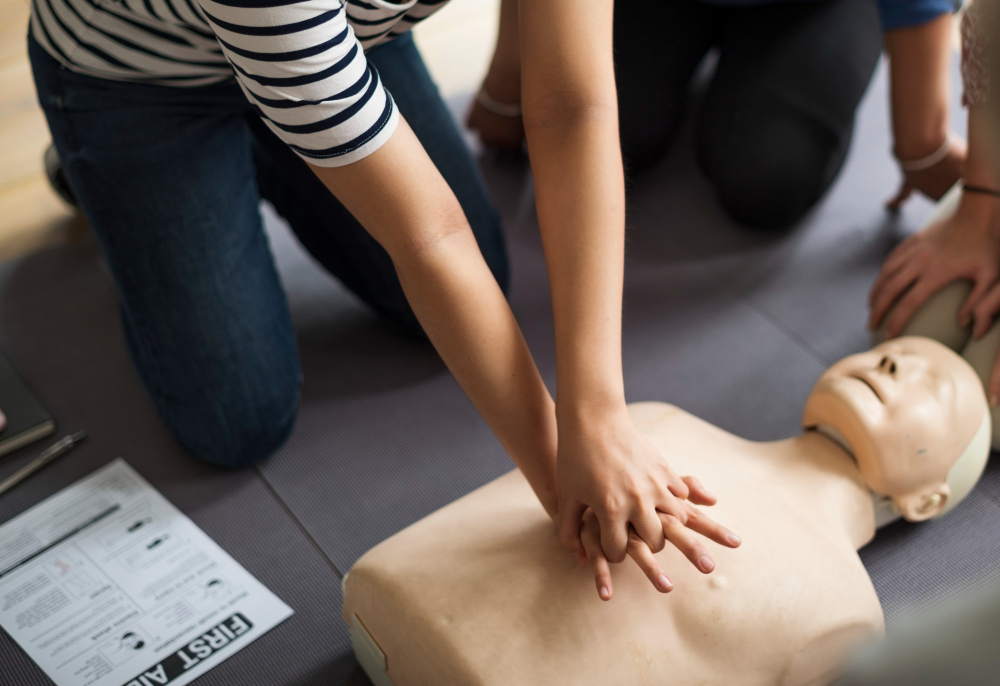
Participants learn to manage the most common emergencies. This includes performing high quality CPR, using an automated external defibrillator and stopping severe bleeding. The techniques are designed to be simple and easy to remember under pressure, ensuring responders do not hesitate when seconds matter most.
- Perform Cardiopulmonary Resuscitation (CPR) at the correct depth.
- Utilise an AED to restart a heart in cases of cardiac arrest.
- Manage choking victims using the Heimlich manoeuvre.
- Apply direct pressure to control external bleeding.
- Identify the signs of a heart attack for early reporting.
Target Audience and Practical Scenarios
This training is ideal for office workers, retail staff, and the general public. It prepares you for scenarios like a colleague collapsing at a desk or a minor burn in a kitchen. Because the risk in these environments is relatively low, a basic occupational first aid certification provides the right balance of knowledge and practical application.
Expanding Expertise with Advanced Modules
An advanced first aid course is significantly more intense. It builds upon the foundation of basic life support but introduces more complex assessment tools. While basic training tells you what to do, advanced training explains the underlying physiology and provides more options for managing a patient over a longer duration.
Advanced Assessment and Trauma Care
Advanced responders look deeper into a casualty’s condition. This includes monitoring vital signs and managing severe trauma such as penetrating wounds. The level of decision making is much higher, as these responders are often expected to lead an Emergency Response Team during a major industrial accident.
- Conduct a thorough primary and secondary survey of the casualty.
- Manage complex fractures using specialised equipment.
- Utilise advanced airway management tools for clear breathing.
- Monitor patient vitals to track changes in condition.
- Administer oxygen therapy to assist with specific emergencies.
High Risk Industrial Applications
Individuals in construction, chemical plants, or offshore platforms are typical candidates for this level. In these settings, professional help may be far away, requiring the first aider to maintain care for extended periods. Reputable training centres often showcase their capabilities through their About Us page, highlighting how they equip responders with the skills needed to manage high-risk industrial environments.
Duration and Assessment Difficulty
One visible difference is the time commitment required. A basic first aid course can usually be completed in one or two days, focusing on hands on practice. Advanced courses often take several days to a week, incorporating more theory and a stricter testing process to ensure the participant can handle the added responsibility.
Ranked Comparison of Course Benefits
Consider the following ranked benefits based on your specific goals:
- Professional Compliance: Advanced levels meet safety requirements for heavy industries.
- Clinical Depth: Higher levels provide a better understanding of anatomy.
- Leadership Capacity: Advanced training focuses on scene management and coordination.
- Skill Retention: Longer courses lead to better memory of complex protocols.
- Technical Equipment: Advanced courses allow practice with sophisticated medical tools.
Evaluating Your Personal Risks
It is important to evaluate hazards before enrolling. If you work in a low risk environment, an advanced course might provide information you will never realistically use. Conversely, relying on a basic first aid course in a high risk setting could leave you underprepared. The goal is to match your training to your most likely emergency scenarios.
Frequently Asked Questions
Here are common questions about first aid course options we often receive:
Conclusion
Understanding the differences between basic and advanced training is the key to becoming an effective responder. While a basic level provides essential tools for everyday life, the advanced level offers technical depth for complex environments. Both paths play a vital role in reducing fatalities and improving recovery outcomes within our communities.
The long term benefits of investing in a first aid course extend beyond the certificate itself. It builds a culture of safety that protects your colleagues and your family. According to the Ministry of Health Malaysia, early bystander intervention is the most important factor in surviving a cardiac arrest. By choosing the right training today, you are making a direct contribution to national resilience.
If you are ready to take the next step, selecting a reputable partner is essential. We invite you to explore our various first aid training programmes to find the level that best suits your needs. Whether you choose a basic or advanced path, the skills you learn will ensure you are ready to lead and save lives when it matters most.