
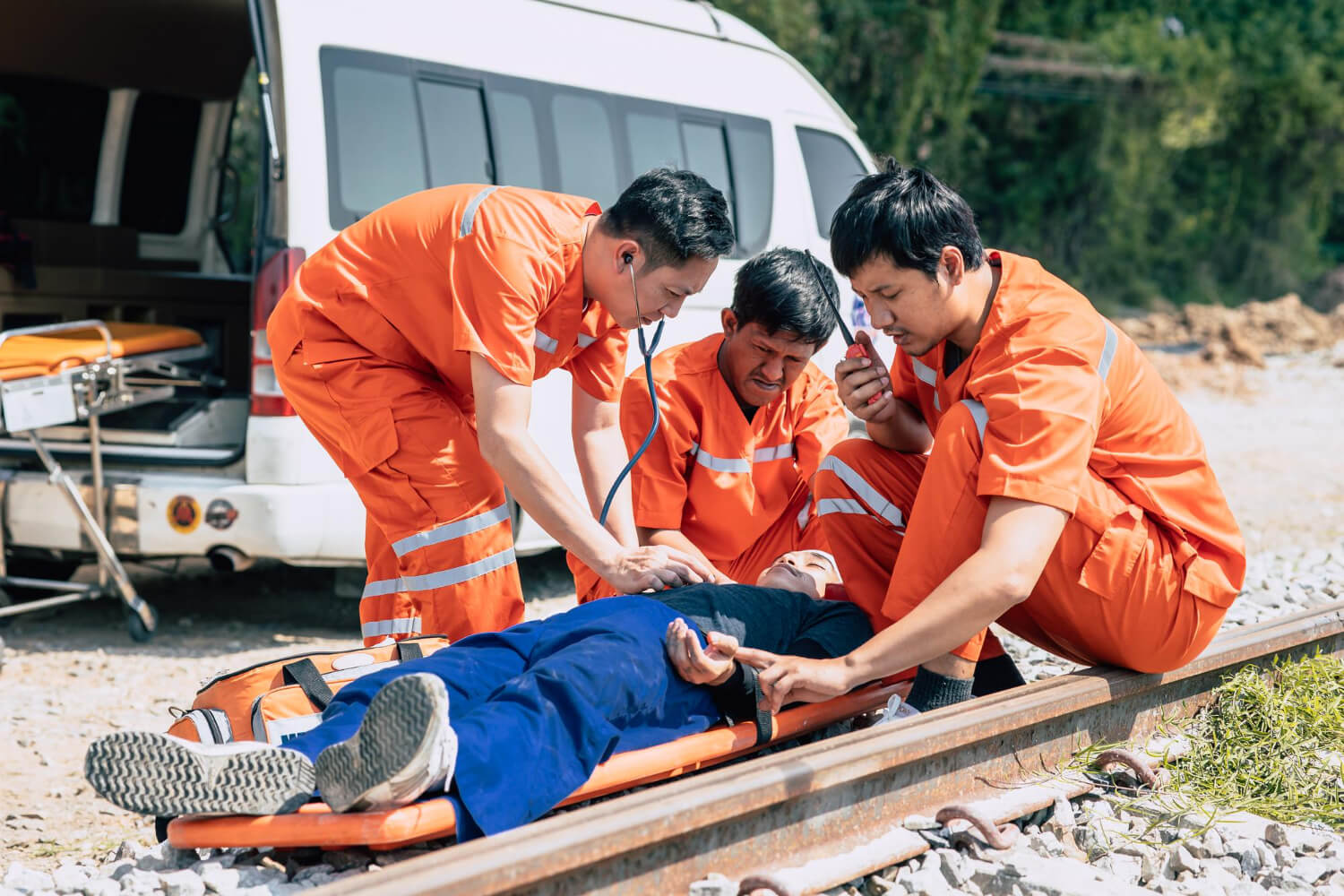
Emergency medical intervention is often viewed through the lens of physical mechanics. We focus on rhythmic chest compressions and the clear instructions of an automated external defibrillator. However, emotional intelligence is the silent force that determines success. This is a critical component of effective basic life support. Without managing personal fear and bystander panic, even skilled responders may freeze when a real crisis strikes.
Real world emergencies are messier than controlled classrooms. Your heart rate spikes and the weight of responsibility feels overwhelming. By choosing all training modules that emphasise psychological readiness, you learn to bridge the gap between knowledge and action. This mental fortitude separates a certified bystander from a true lifesaver. It is the capacity to breathe through adrenaline and focus on preserving a life.
Fear of making a mistake is a major barrier to intervention. Emotional intelligence helps a responder push past this, acknowledging that any attempt at basic life support is better than doing nothing. As we explore the intersection of psychology and resuscitation, it is clear that the heart and mind must work in unison. This guide explores how emotional awareness transforms the quality of care.
Managing the Adrenaline Surge in Crisis
When you realise someone is in cardiac arrest, your body undergoes a physiological shift. This “fight or flight” response can impair the clear thinking required for basic life support. High emotional intelligence allows a responder to recognise these signals as they happen, using them as a prompt to recalibrate and focus on the task.
Techniques for Maintaining Composure
Maintaining a steady hand during chest compressions requires more than muscle memory. It requires conscious effort to regulate your breathing. Responders who practice self regulation prevent the “tunnel vision” that leads to mistakes, ensuring they remain aware of their surroundings throughout the process.
- Practice box breathing to lower your heart rate during the initial assessment.
- Use internal mantras to maintain the correct rhythmic pace for compressions.
- Perform a quick mental scan of the environment to identify hazards.
- Verbalise your actions out loud to keep your mind focused.
- Acknowledge the stress of the situation without letting it dictate your movements.
Transitioning from Panic to Action
Panic is contagious in an emergency, but so is calm. Responders with emotional intelligence act as a psychological anchor for everyone on the scene. This groundedness allows them to execute basic life support with authority that reassures onlookers. Employers often look for these traits, and organisations like ASEC share more about us and our focus on building resilient, emotionally aware first responders.
The Power of Empathetic Communication
Basic life support involves interacting with the casualty’s family, coordinating bystanders and communicating with emergency services. Empathy allows a responder to navigate high tension dynamics without causing further distress. This ensures the rescue operation remains human and respectful, even during a medical crisis.
Coordinating Bystanders with Clarity
Delegating duties to panicked strangers is a difficult task. An emotionally intelligent responder gives commands that are firm yet compassionate. Instead of shouting, they make eye contact and give direct tasks, such as asking a specific person to fetch an AED unit. This reduces the “bystander effect” and turns a crowd into a team.
- Select one specific person to call for an ambulance.
- Instruct a second person to clear a path for paramedics.
- Ask a third bystander to keep onlookers at a distance.
- Provide simple updates to the casualty’s family members.
- Use a calm, low tone of voice to cut through the noise.
Supporting the Casualty’s Dignity
Even if a person is unconscious, the way we handle their body matters. Empathy reminds the responder they are helping a person, not just a case. This leads to better care, such as ensuring the casualty is not unnecessarily exposed. These acts are a vital part of the basic occupational first aid philosophy, where psychological safety is as important as physical intervention.
Overcoming the Fear of Failure
Many people hesitate to perform basic life support because they fear causing harm. Emotional intelligence involves self compassion and understanding your limitations. By managing these expectations, responders act with greater confidence and less hesitation, which is what saves lives in time sensitive situations.
Reframing Success in Resuscitation
In an emergency, “success” is defined by effort and adherence to protocol. An emotionally intelligent person understands they cannot control every variable. This allows them to commit fully to basic life support without being paralysed by the possibility of a negative result. This resilience is a key focus in first aid training programmes.
- Recognise that doing nothing is the only true failure.
- Accept that ribs may crack during high quality chest compressions.
- Understand that paramedics are responsible for the final medical outcome.
- Focus on the process of the rescue rather than the end result.
- Seek a debriefing after the event to process the emotional impact.
Dealing with Post Incident Stress
The emotional weight of performing basic life support remains after the ambulance leaves. High emotional intelligence includes the self awareness to seek support. Processing the adrenaline is essential for long term mental health. This avoids burnout and ensures the individual remains willing to help again in the future.
Frequently Asked Questions
Here are common questions about basic life support we often receive:
Conclusion
Integrating emotional intelligence into basic life support transforms how we approach emergencies. It reminds us that while the heart is a pump, the responder is a human being with a complex emotional landscape. By mastering internal reactions, we become more than a pair of hands; we become a steady, life saving presence.
The long term benefits are clear. Emotionally intelligent responders are more likely to intervene and resilient after a crisis. According to the Ministry of Health Malaysia, public readiness is a cornerstone of national health safety. When we combine technical skills with emotional awareness, we create a community where everyone feels empowered to look out for one another.
If you are ready to build both technical skills and mental resilience, the first step is choosing a training partner. We invite you to explore our first aid training options to find a course that prepares you for the realities of saving lives. Investing in your ability to perform basic life support is a commitment to the safety of your family, workplace and community.