
Fire Safety Organisation in Malaysia: Roles, Responsibilities and Readiness
A Fire Safety Organisation helps designated premises manage fire prevention, emergency preparedness, incident response and compliance responsibilities through appointed Fire Safety Managers and Fire Safety Officers.
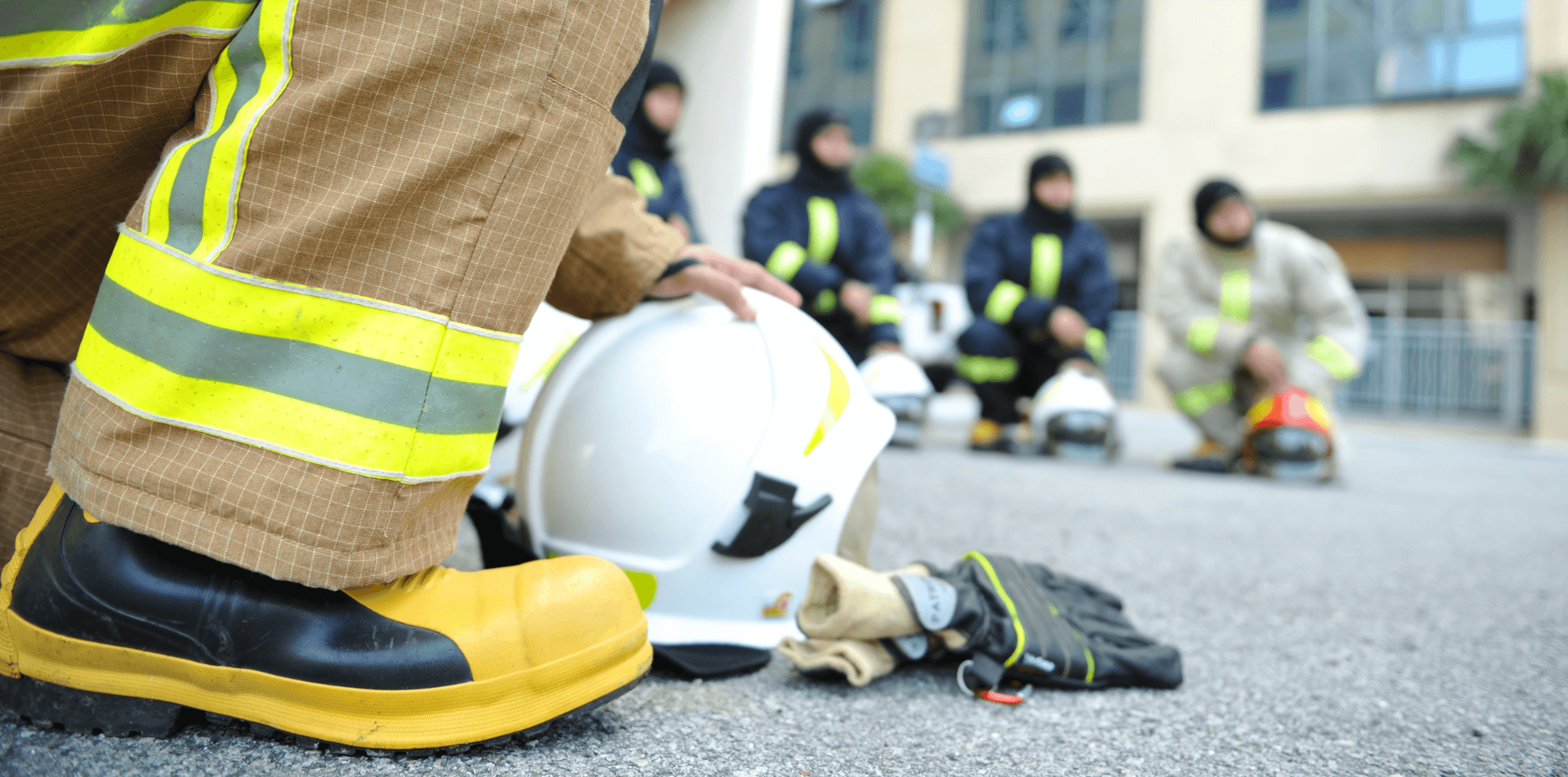
What makes up a Fire Safety Organization?
A Fire Safety Organisation is formed through appointed people who help manage fire safety responsibilities within a designated premises.
Leads the fire safety structure
The Fire Safety Manager helps oversee the fire safety organisation and coordinate key fire safety responsibilities for the premises.
Support daily readiness and response
Fire Safety Officers support prevention, preparedness, response coordination and fire safety activities within the premises.
What does a Fire Safety Organisation need to manage?
The Fire Safety Organisation supports the premises by keeping fire safety work active before, during and after an emergency.
Fire Prevention
Identify fire hazards, support fire risk control and help ensure the premises does not allow unsafe fire conditions to build up.
Emergency Preparedness
Prepare and maintain the Fire and Emergency Response Plan, support evacuation readiness and conduct fire safety activities.
Incident Response
Coordinate early response, guide occupants during evacuation and support handover when BOMBA arrives at the premises.
Compliance & Records
Support Fire Certificate readiness by maintaining required documents, reports, training records and fire command centre information.
What kind of risks should the FSO pay attention to?
A fire hazard is not only about visible flames or combustible materials. It can also involve anything that affects escape, warning, firefighting access or the safe operation of fire safety systems.
Blocked, inadequate or unsafe escape routes.
Fire safety installations that are missing, faulty or not properly maintained.
Changes to building layout, occupancy or use that may affect fire safety.
Conditions that may delay evacuation, fire control or BOMBA response.
The FSO also supports documentation and Fire Certificate readiness.
Fire safety readiness is not only about people and equipment. The premises also needs clear plans, reports, records and information that can support compliance and emergency response.
Fire and Emergency Response Plan
The FERP helps organise evacuation routes, assembly areas, emergency roles and response actions for the premises.
Fire Safety Report
The FSR supports Fire Certificate readiness by recording fire safety arrangements, risks, controls and relevant updates.
Fire Command Centre Records
Relevant emergency documents should be kept accessible so the FSO and responding parties can refer to them when needed.
Training & Drill Records
Fire safety training, emergency response training and fire drill records help show that readiness is being maintained.
The Fire Safety Organisation cannot work without management support.
Appointing a Fire Safety Manager and Fire Safety Officers is only the starting point. To make the structure effective, the premises owner or building management must provide the support needed for fire safety work to be carried out.
Provide access to fire safety documents, building information and emergency plans.
Ensure fire safety installations, equipment and systems are maintained properly.
Give the FSM and FSOs enough authority to report issues and follow up on corrective actions.
Support fire drills, training, awareness activities and emergency response preparation.
Common questions about Fire Safety Organisation responsibilities.
Short answers to help premises owners, building management teams and safety personnel understand the role of an FSO.
What is a Fire Safety Organisation?
A Fire Safety Organisation is an internal fire safety structure for designated premises. It supports fire prevention, emergency preparedness, incident response and compliance related responsibilities.
Who are the key people in a Fire Safety Organisation?
The structure generally consists of one Fire Safety Manager and at least three Fire Safety Officers, depending on the applicable requirement and premises arrangement.
What does a Fire Safety Officer do?
A Fire Safety Officer supports daily fire safety readiness by helping to identify hazards, support preparedness activities, coordinate early response and maintain relevant fire safety records.
Is the FSO only responsible during a fire emergency?
No. The FSO also supports prevention, documentation, training, drills and readiness activities before an emergency happens.
Why does building management support matter?
The FSO needs access to information, authority, equipment, maintenance support and follow-up action. Without management support, the structure may exist on paper but not work effectively in practice.
Need to understand FSM and FSO training requirements?
Learn more about Fire Safety Manager and Fire Safety Officer training, implementation status and how ASEC can support your preparation.