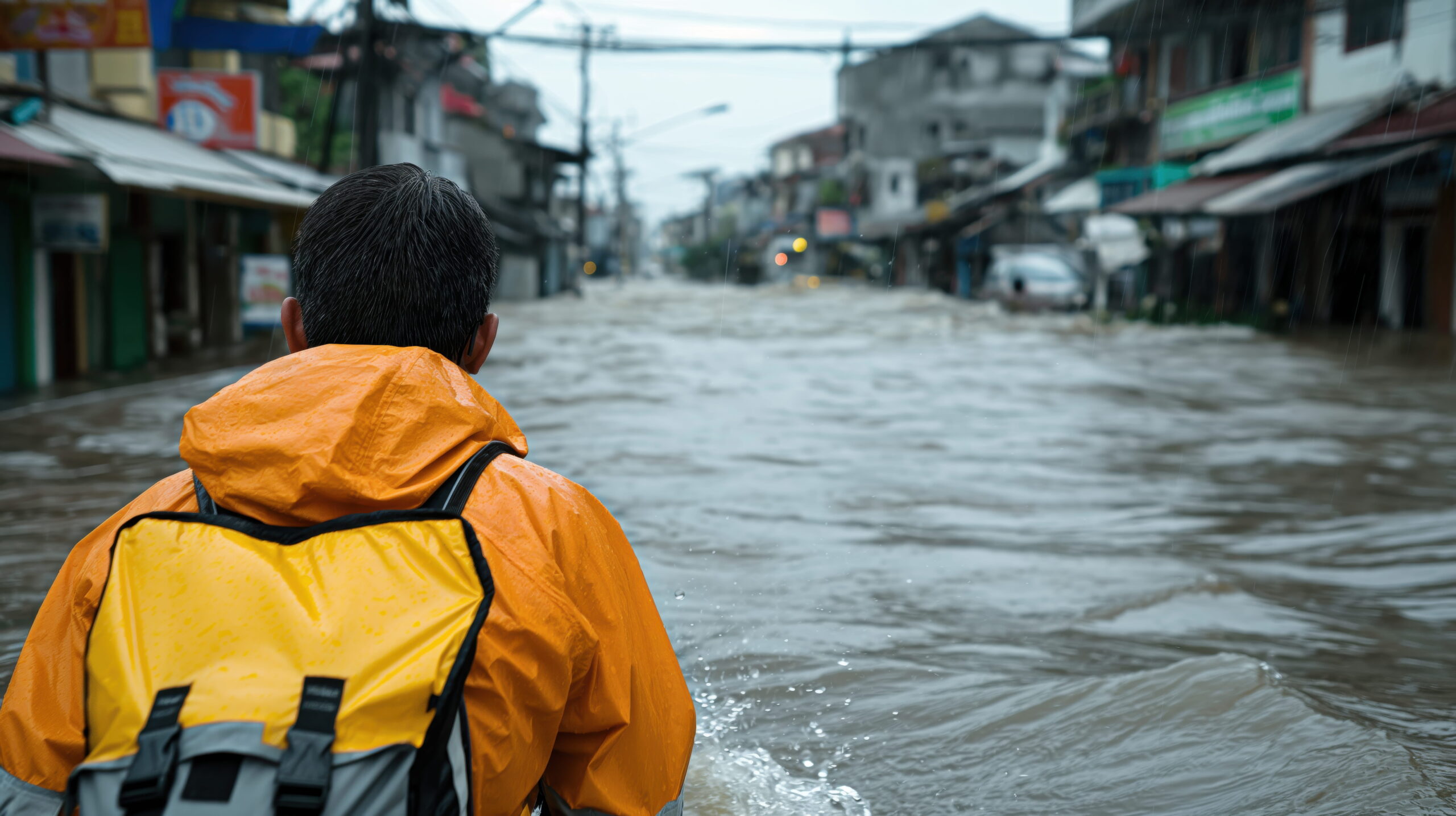
Malaysia is no stranger to the monsoon season, which often brings heavy rainfall and the potential for significant flooding. While the government provides alerts, the immediate safety of your family depends on your ability to respond to injuries. This is why first aid training has become a critical component of disaster preparedness. When floodwaters rise, professional medical help may be delayed by submerged roads, making you the primary responder for those in your care.
Beyond simply owning a kit, the real value lies in knowing how to use it under pressure. By enrolling in all training programmes that specifically address environmental hazards, you gain the confidence to handle common flood issues like lacerations or hypothermia. These skills are not just about bandages; they are about maintaining a calm presence and making logical decisions when the environment becomes chaotic and unpredictable.
The emotional toll of a flood evacuation is taxing. Having the knowledge provided by first aid training allows you to mitigate risks and prevent minor injuries from escalating into life threatening infections. Whether you are navigating a shelter or wading through shallow waters to reach safety, being prepared ensures you are an asset to your community. This guide explores how specialized medical readiness can protect lives during the most challenging weather events in Malaysia.
Essential Skills for Flood Related Emergencies
During a flood, the nature of injuries changes significantly compared to typical home accidents. Modern first aid training modules now incorporate specific scenarios involving waterborne risks and trauma caused by moving debris. Understanding these threats is the first step toward effective evacuation planning.
Managing Wounds in Contaminated Water
Floodwaters are often contaminated with sewage, chemicals, and sharp objects. Proper care involves more than just a quick rinse. Responders are taught to prioritize wound hygiene even in poor conditions to prevent long term complications such as leptospirosis or sepsis.
- Cleanse the wound using bottled or treated water immediately after exposure.
- Apply antibiotic ointment to create a barrier against bacteria.
- Cover the area with a waterproof dressing to prevent further contamination.
- Monitor for signs of spreading redness or fever over the following hours.
- Seek professional medical evaluation as soon as you reach an evacuation centre.
Hypothermia and Exposure Control
Even in a tropical climate, prolonged exposure to rain and wet clothing can lead to a drop in core body temperature. Specialized first aid training emphasizes keeping casualties dry and warm, especially children and the elderly. Professional organizations like ASEC provide about us information regarding their commitment to teaching these specific survival techniques for the Malaysian climate.
Navigating Evacuation Centres Safely
Once you reach a relief centre, challenges shift to maintaining health in a crowded environment. The knowledge from first aid training is invaluable, helping you identify early symptoms of illness and manage minor ailments without depleting limited resources.
Triage and Basic Medical Support
In a crowded centre, medical officers may be spread thin. Individuals with basic occupational first aid knowledge can assist by performing basic triage or helping others manage chronic conditions. This level of community support is vital for keeping the atmosphere orderly and ensuring the most critical cases receive priority attention.
- Identify individuals showing signs of extreme dehydration or heat exhaustion.
- Assist in the distribution and proper use of basic medical supplies.
- Educate others on the importance of hand hygiene in shared spaces.
- Recognize the symptoms of common waterborne diseases early.
- Help organize safe spaces for those with physical disabilities or injuries.
Preventing Secondary Injuries
Evacuation centres can lead to slips or falls when floors are wet. By applying first aid training, you can help create a safer environment by identifying hazards and knowing how to stabilize a limb if a sprain occurs. Professional training centres often work with community leaders to ensure that safety protocols are followed even in these temporary settings.
Water Safety and Drowning Prevention
Drowning is a severe threat during a flood. While many Malaysians are comfortable near water, the power of moving floodwater is often underestimated. Comprehensive first aid training provides the technical steps required to rescue and resuscitate someone who has been submerged.
Resuscitation Techniques in Wet Environments
If someone is pulled from the water and is not breathing, every second counts. Knowing how to perform CPR effectively on a wet surface is a specific skill. Responders must also be aware of how to use an AED safely in these conditions, ensuring that both the casualty and the rescuer are protected from accidental shock.
- Move the casualty to the driest possible ground before starting help.
- Clear the airway of any mud, silt, or debris immediately.
- Perform chest compressions at a steady rhythm of 100 to 120 per minute.
- Ensure the chest is wiped dry before applying any defibrillator pads.
- Continue efforts until the person regains consciousness or paramedics take over.
The Importance of Team Coordination
In a water rescue, one person rarely acts alone. Effective first aid training teaches you how to coordinate with others for a safe extraction. This might involve using a “human chain” or reaching tools to avoid the rescuer becoming a second victim. Building these coordination skills ensures the community can act as a single, cohesive unit during a crisis.
Frequently Asked Questions
Here are common questions about first aid training we often receive:
Conclusion
Preparing for the flood season requires the mental and physical readiness that only comes from first aid training. By equipping yourself with the ability to manage injuries and medical emergencies, you protect the people you love and provide a pillar of strength for your community during difficult times.
The benefits of being trained extend far beyond the immediate crisis, fostering long term security. According to the National Disaster Management Agency (NADMA), community based disaster risk reduction is the most effective way to minimize impact. When citizens take the initiative to learn life saving skills, the entire nation becomes better prepared to face the challenges of our changing climate.
If you are concerned about the upcoming monsoon season, the best time to act is now. We invite you to explore our various first aid training options to find a programme that fits your family's needs. Investing a few hours in a classroom today can make all the difference when the waters begin to rise. Ensuring you are ready to lead is the best way to help when your community needs it most.