
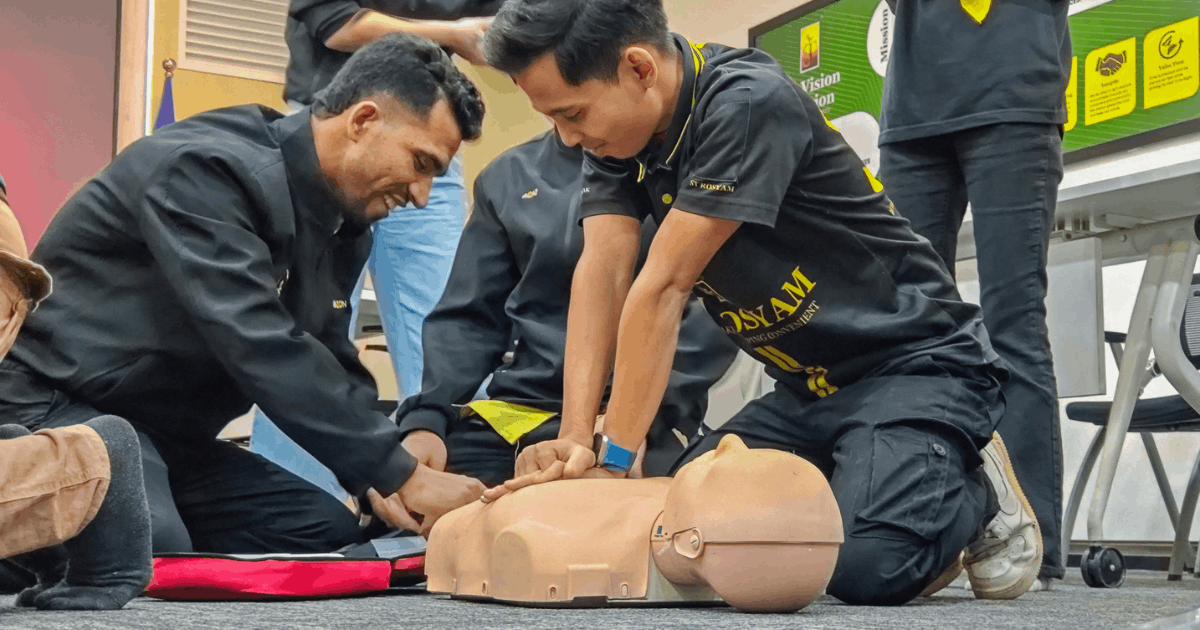
The atmosphere at the Kuala Lumpur Marathon is electric, with thousands of runners pushing their physical limits. Whilst these events celebrate health, they also present significant physiological risks. High-intensity exercise in Malaysia’s humid climate can lead to severe dehydration or sudden cardiac incidents. This reality makes first aid training one of the most critical components of any sports event planning strategy. When a runner collapses, the speed of the initial intervention determines their survival.
Organisers must move beyond enthusiasm and embrace technical preparedness to manage large crowds effectively. By reviewing all training opportunities, committees can ensure every hydration station is staffed by individuals who know how to respond to a crisis. Professional instruction provides the confidence needed to stay calm when every second counts during a race.
For many athletes, the fear of a medical emergency is a quiet concern. Seeing a visible and well-equipped medical team along the route provides the psychological security necessary to perform at their best. This article explores the intersection of athletic performance and medical readiness, highlighting why life-saving skills are the backbone of the Malaysian sporting community.
Strategic Medical Placement in Mass Participation Events
Managing a marathon requires a very different approach from a static office environment. Responders must be strategically placed to ensure that first aid can be administered within the “golden minutes” of an incident. Mobile medical units on bicycles and stationary points at high-risk zones, such as steep inclines, are essential for comprehensive coverage across the course.
Managing Cardiac Arrest in Athletes
Sudden cardiac arrest in athletes is rare but devastating, requiring immediate action. Unlike standard cases, sports-related incidents happen in front of large crowds, which can lead to panic if not managed by trained personnel. Effective first aid training teaches responders to clear the area quickly and begin resuscitation efforts whilst maintaining the casualty’s dignity.
- Recognise symptoms of collapse and distinguish between exhaustion and cardiac arrest.
- Activate the emergency network using dedicated radio frequencies for the site.
- Deliver high-quality chest compressions to maintain blood flow to the brain.
- Utilise a portable AED to analyse heart rhythm and deliver a shock if required.
- Provide a concise handover to the ambulance team for hospital transfer.
Addressing Heat-Related Emergencies
Malaysia’s humidity contributes significantly to exertional heat stroke. A comprehensive first aid training programme teaches staff to identify subtle signs of heat distress before they become life-threatening. Understanding cooling protocols, such as ice water immersion or applying cold packs to major pulse points, is a specialised skill that saves lives during tropical endurance events. As reported during the KLSCM, medical teams equipped with AEDs and first aid kits have proven essential in managing both cardiac and heat-related emergencies on the course.
The Role of Volunteers and First Responders
Whilst professional paramedics are present, the scale of the KL Marathon means volunteers are often the first on the scene. Empowering these volunteers with first aid training knowledge creates a massive safety net across the city. These individuals provide the initial response that stabilises casualties until medical teams arrive.
Building a Competent Volunteer Network
Training volunteers is about more than chest compressions. It involves teaching them to work as a cohesive unit under pressure. Many organisers find that sourcing structured first aid refresher training builds a sense of shared responsibility among event staff, ensuring that a volunteer at the 5km mark has the same competency as one at the finish line.
- Conduct on-site orientation to familiarise staff with medical tent locations.
- Practise communication protocols to avoid radio congestion during emergencies.
- Learn the specific signs of electrolyte imbalance and severe cramping.
- Understand the legal protections for responders acting in good faith.
- Participate in pre-event simulation drills to test overall coordination.
Coordination with National Emergency Services
A successful medical plan requires seamless integration with local healthcare infrastructure. When a volunteer starts a rescue, they are the first link in a chain leading to the emergency room. Aligning community training with standards required by Malaysian emergency services ensures the best possible casualty outcomes.
Legal Obligations and Event Insurance
Safety is both a moral and legal obligation for sports organisers. Mass participation events in Malaysia must adhere to strict guidelines to obtain the necessary permits. Incorporating first aid training into the official event plan demonstrates a genuine commitment to duty of care and is a primary factor that insurance companies evaluate for public events.
Adhering to Malaysian Safety Guidelines
Authorities require a detailed medical plan outlining the number of certified first aiders on the course. For many corporate sporting days, having staff who have completed first aid training in Malaysia is a minimum requirement for compliance with national standards and protects organisers from negligence claims.
- Submit a comprehensive medical risk assessment to the local council.
- Verify the certifications of all on-site medical personnel and volunteers.
- Ensure a mobile medical team is available for hard-to-reach sections of the course.
- Maintain detailed incident logs for every medical intervention performed.
- Review and update the response plan annually based on past event data.
Enhancing Brand Reputation through Safety
A marathon known for excellent medical support attracts more participants and higher-tier sponsors. When athletes know an event takes safety seriously, they return year after year. Organisations can strengthen their medical readiness further by ensuring key staff are equipped with AED devices and training, a combination that significantly improves outcomes during cardiac emergencies. Professional medical readiness is a silent brand builder that speaks volumes about the integrity of the organisers.
Frequently Asked Questions
Here are common questions about a first aid training course we often receive:
Conclusion
The presence of well-trained first responders at sports events is the ultimate safety net for the athletic community. By investing in first aid training, organisers create an environment where runners can push their limits knowing that qualified help is within reach. These skills are the foundation of a resilient and responsible sporting culture in Malaysia.
The benefits extend beyond the finish line, as every person trained becomes a potential life-saver in their own community. Immediate intervention remains the most significant predictor of survival in a cardiac emergency. By making medical readiness a priority, we are collectively building a healthier and more prepared nation.
If you are planning an event or upskilling your team, get in touch to explore specialised first aid training in Malaysia programmes designed for event organisers and volunteer teams. Ensure your next event is remembered for all the right reasons.