A sudden collapse is scary. Yet simple steps, done fast and done right, can keep a heart and brain alive. A basic life support course shows you those steps in clear, small parts. It turns worry into action you can trust. To see how the lessons fit into workplace and community needs, you can scan ASEC’s pathway in the All Training programmes.
What You Will Master in a Basic Life Support Course
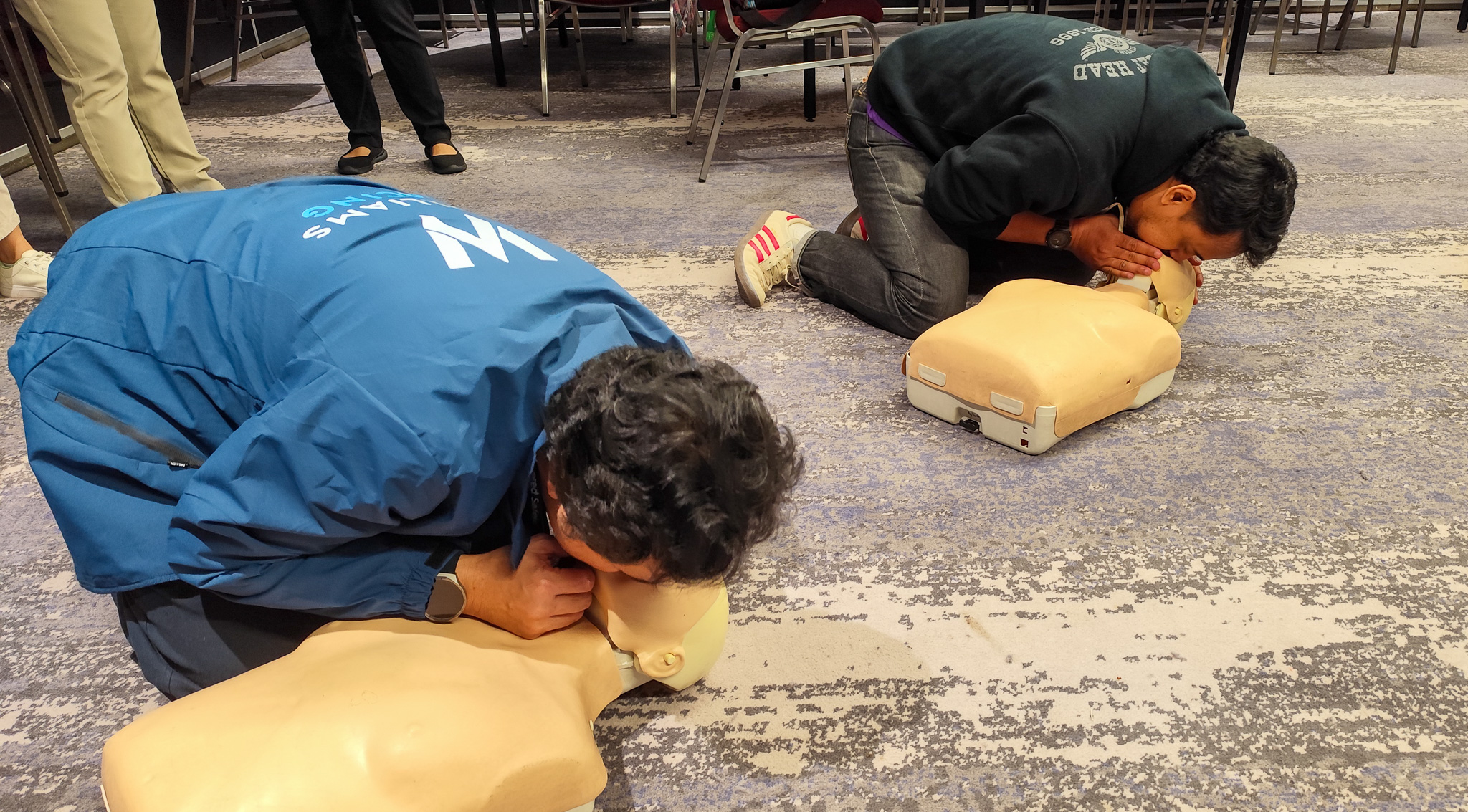 A basic life support course teaches the chain of survival. First, check safety. Next, call for help. Then start compressions and add breaths when needed. These skills suit real Malaysian settings like homes, factories, schools and shopping centres.
You train with manikins until your hands find the right depth and rhythm. You also learn how to speak up, guide bystanders and keep the area safe while help is on the way.
Scene Check and 999: Make the First Minute Count
You learn to look and act. Is it safe to approach? Is the person responsive? If not, you call 999, put the phone on speaker and start compressions. Clear words help others bring an AED and make space.
High-Quality Compressions: Depth, Rate, Recoil
Instructors show how to place your hands, lock your elbows and use your body weight. You practise steady compressions with full chest recoil. Small fixes, like moving your shoulders over your hands, make your effort stronger and safer.
CPR With or Without Breaths: How a Basic Life Support Course Keeps It Simple
A basic life support course teaches both hands-only and compressions with breaths. You learn when each method fits the case. For adults, hands-only CPR is often enough at the start. For children and drowning cases, breaths matter more.
With practice, you switch smoothly between compressions and breaths. You learn to minimise pauses, count out loud and work well with a partner.
Hands-Only CPR: When Speed Beats Complexity
Hands-only CPR is fast to start and easy to teach to bystanders. It keeps blood moving to the brain and heart. You will see how even two minutes of good compressions can change the outcome while waiting for the AED.
Adding Rescue Breaths: When Airway Support Matters
You learn a simple head tilt and chin lift, a proper seal with a barrier device and two gentle breaths. This is a traditional approach to CPR which combines chest compressions with 2 rescue breaths. Trainers explain when breaths help most, such as in near drowning or in children and how to keep the chest rise visible but gentle.
AED Confidence and Team Roles from a basic life support course
An AED checks the heart and gives a safe, timed shock if needed. A basic life support course removes fear by letting you handle real trainer units. You turn it on, follow prompts, place pads and resume compressions at once.
Because many sites in Malaysia keep AEDs, you also learn where to find them and how to direct others to bring one quickly. This teamwork saves seconds.
Using the AED: Pads, Prompts and Safety Checks
You will need to practise these simple steps with repetition to make each step calmer and clearer:
- Turn on the AED and follow the voice
- Expose and dry the chest before pads
- Do not touch during analysis or shock
- Restart compressions immediately after
Local Readiness: Where AEDs Live and How to Plan
You discuss likely locations such as security posts, gyms, airports and large offices. Trainers help you plan roles: one calls 999, one starts CPR, one brings the AED, and one meets the ambulance. You can also keep learning with the American Heart Association’s overview of cardiac arrest at the AHA resource page.
Infants and Children: Why a basic life support course adjusts the Approach
Children are not small adults. A basic life support course teaches gentle compressions, smaller breaths and age-appropriate choking care. You learn to recognise poor breathing early and to act with care and confidence.
Scenarios match real life in Malaysia: a toddler choking during a meal, a school sports collapse, or an infant found unresponsive during a nap. You train in calm steps that any caregiver can use.
Choking Relief: Clear Steps for Tiny Airways
All age groups will start with 5 black blows and chest thrusts for babies, pregnant women and individuals with larger body sizes, or abdomen thrusts for children and adults according to the AHA Guidlines 2025. For infants, you learn back blows and chest thrusts with the head supported. For older children, you learn abdominal thrusts if they cannot cough or speak. You are taught when to switch to CPR if the child becomes unresponsive.
Paediatric CPR: Depth, Rate and Breaths
You practise the right compression depth with one or two hands based on size. You add gentle breaths that just make the chest rise. The goal is steady work with short pauses and clear teamwork.