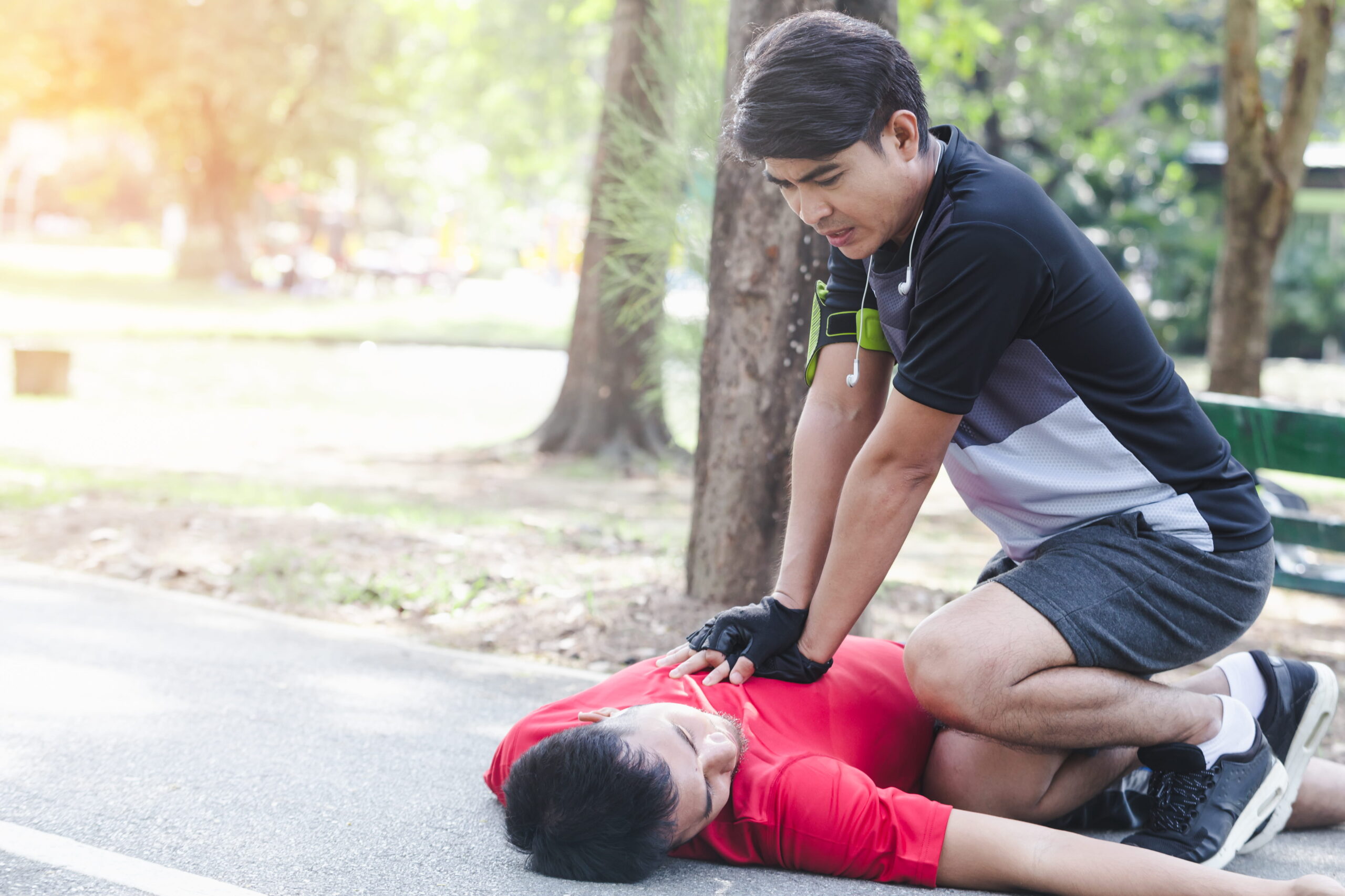
Have you ever found yourself in a situation where someone suddenly collapsed, and you felt completely helpless? That paralysing feeling of not knowing what to do is a common fear. Engaging in first aid cpr training is the most effective way to replace that anxiety with a sense of readiness and calm. By mastering these essential skills, you transform from a concerned bystander into a capable responder who can make a real difference during the critical first few minutes of an emergency.
The benefit of learning these life saving techniques extends far beyond the workplace. Whether you are at home or commuting, the peace of mind that comes with being prepared is invaluable. By participating in all training programs designed for real world application, you ensure that you are never left feeling powerless when a loved one needs urgent medical assistance.
Building this confidence requires more than just reading a manual; it requires hands on experience and expert guidance. When you understand the simple steps needed to support life, your perspective on daily safety shifts. You begin to notice potential hazards and feel empowered to manage them, making your immediate environment safer for everyone.
Overcoming the Fear of the Unknown
One of the biggest hurdles to acting during a crisis is the fear of doing something wrong. Professional first aid cpr training addresses this by breaking down complex medical procedures into manageable, easy to remember steps. This structured approach helps to demystify the rescue process, allowing your brain to default to trained actions rather than panic.
Reducing Anxiety through Preparation
When you attend a certification course, you are exposed to various scenarios that simulate high pressure environments. This helps desentise you to accidents. Professionals like ASEC provide first aid training that emphasises the logic behind every action, which deepens your understanding and bolsters your resolve to step forward when others might hesitate.
- Practice chest compressions on manikins to feel the correct depth.
- Simulate choking rescue manoeuvres to master the physical coordination.
- Use training versions of medical equipment to remove intimidation.
- Role play emergency calls to improve clear communication.
- Review wound management to stay calm during physical injuries.
The Psychology of Readiness
Confidence is built through repetition and validation. In a classroom setting, an instructor provides immediate feedback, correcting your technique until the movement becomes second nature. This physical competence translates into psychological strength, ensuring that your first instinct in an emergency is to help rather than to look for an exit.
Technical Mastery of Life Saving Skills
The heart of first aid cpr training lies in its ability to give you a toolbox of technical skills. Knowing how to restart a heart or clear an airway is a powerful capability that changes how you navigate the world. These skills are designed to bridge the gap between the onset of an emergency and the arrival of professional medical services.
Understanding Cardiac Arrest Response
Cardiac arrest can happen to anyone, anywhere. Learning the specific rhythm and depth of compressions is vital because it maintains blood flow to the brain, which is the single most important factor in survival. Many courses now include training on basic occupational first aid to ensure that employees in high stress industries are particularly well prepared.
- Identify the signs of a cardiac arrest clearly.
- Master the 30 to 2 ratio of compressions.
- Understand the importance of high quality, uninterrupted chest compressions.
- Learn how to rotate with other rescuers to prevent exhaustion.
- Recognise when it is safe to hand over to paramedics.
Empowering Action with Technology
Modern first aid also involves the use of technology that is becoming common in public spaces. Learning how to operate an AED is a core component of modern training. These devices are designed for public use, but prior exposure through a training course removes the fear of using an electronic device on a human being during a stressful moment.
The Social and Professional Impact of Training
Beyond individual confidence, first aid cpr training has a profound impact on your social standing and professional value. In many industries, being a certified first aider makes you an asset. It shows a level of responsibility and care for your colleagues that goes beyond your daily job description, often leading to leadership opportunities and a more supportive work culture.
Fostering a Culture of Care
When multiple members of a team are trained, the entire workplace feels safer. This collective confidence reduces stress levels, as everyone knows that help is available. Companies that invest in their staff through about us sections and safety transparency often see higher levels of employee engagement, as workers feel their well being is truly valued.
- Enhance team cohesion through shared safety goals.
- Increase the speed of response during workplace accidents.
- Lower the severity of injuries through immediate intervention.
- Promote a sense of security for clients and visitors.
- Meet legal requirements for occupational health and safety.
Leadership in Times of Crisis
In an emergency, most people look for a leader. Your training gives you the authority and knowledge to take charge of a chaotic scene. By providing clear instructions to bystanders, such as telling someone specifically to call 999 or fetch a medical kit, you manage the environment and ensure that the casualty receives the best possible chance of recovery.
Frequently Asked Questions
Here are common questions about first aid cpr training we often receive:
Conclusion
The decision to undergo first aid cpr training is a profound investment in yourself and your community. By replacing hesitation with action, you become a source of strength for those around you. The confidence gained doesn't just apply to emergencies; it fosters a more observant, responsible and proactive mindset that carries over into all aspects of your daily life.
Long term preparedness is the key to reducing the impact of medical crises in our society. According to the St John Ambulance Malaysia, widespread first aid knowledge is a critical component of public health resilience. When more citizens are equipped with these skills, we create a safer environment where help is always just a few steps away.
If you are ready to take the next step and build the confidence to save a life, choosing the right training partner is essential. We invite you to explore our first aid training options to find a course that suits your needs and empowers you to act with certainty. Taking action today ensures you are prepared to provide the best care when it is needed most.