
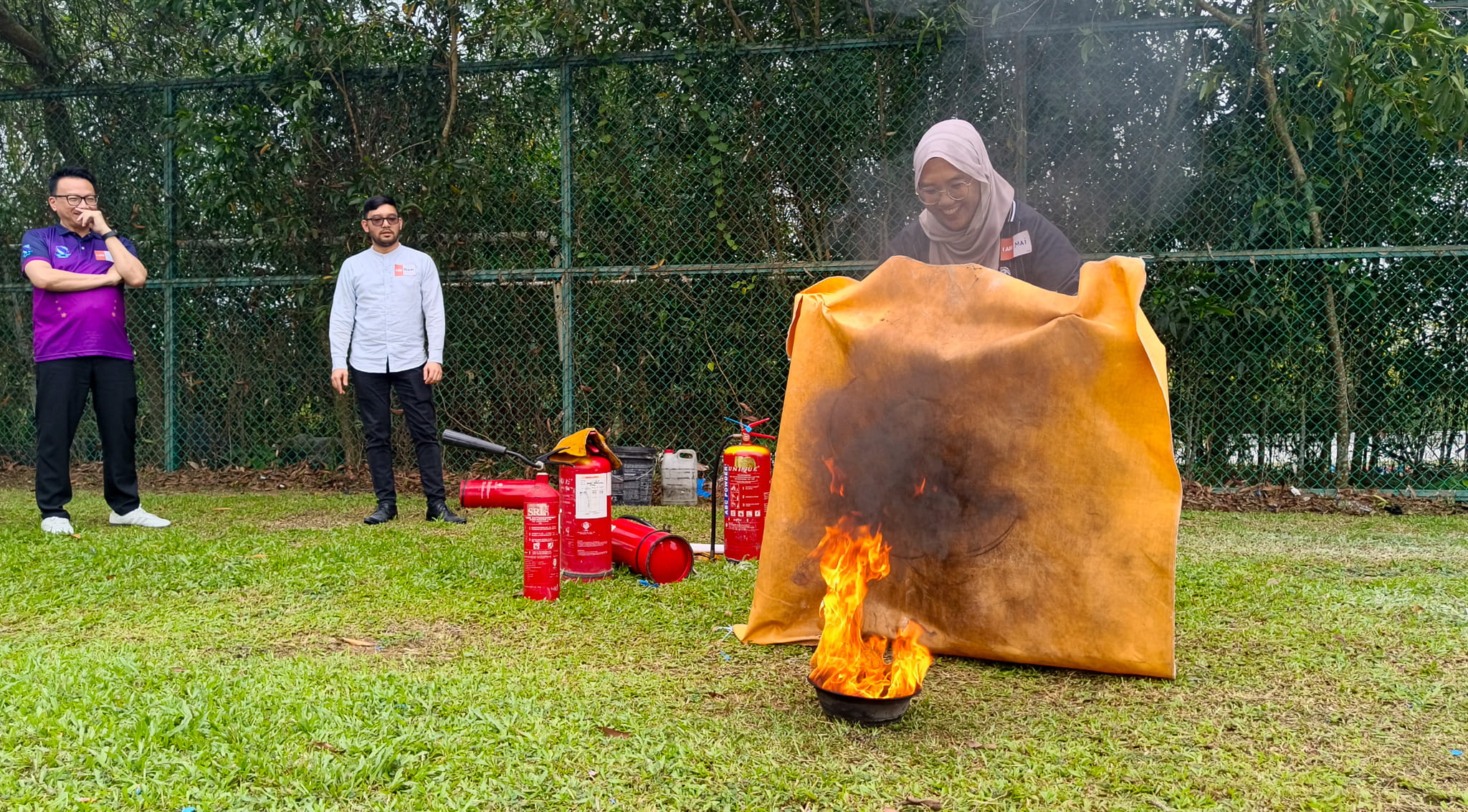
Improve School Emergency Drills Using Firefighter Training

Imagine a real fire breaking out during school hours, would your team know how to respond swiftly and safely? Firefighter training offers proven techniques to transform these drills from routine exercises into life-saving rehearsals.

By incorporating elements of firefighter training, schools can build confidence and competence among teachers and emergency teams. This approach goes beyond basic evacuation, teaching hands-on skills that mimic real scenarios. For instance, programmes like those at ASEC’s Firefighting Training provide practical insights tailored for educational settings.

The benefits extend to faster response times and reduced panic, ultimately protecting lives. Read on to discover how to elevate your school drills effectively.

Why Firefighter Training Enhances School Drills

Firefighter training equips school staff with professional-level skills, making emergency drills far more realistic and effective. It shifts focus from simple headcounts to dynamic responses, addressing common gaps in traditional practices.

Schools often run drills that feel scripted and forgettable, but integrating firefighter training principles introduces urgency and precision. This method draws from real-world protocols used by fire services worldwide.

Realistic Scenario Simulation

Firefighter training emphasises immersive simulations that replicate actual fire outbreaks, smoke-filled corridors and evacuation challenges. In a school context, this means setting up drills with smoke machines, alarms and role-playing injured students to test decision-making under pressure.

Teachers learn to assess fire spread, prioritise evacuations and use extinguishers correctly. These are skills rarely covered in basic drills. Schools in Malaysia revamped its monthly exercises this way, cutting evacuation time by 40% after just two sessions.

Building Team Coordination

Effective drills require seamless teamwork, a core of firefighter training. Staff practise clear communication, such as using radios or hand signals amid chaos, ensuring everyone knows their role from assembly points to headcounts.

This training highlights how poor coordination leads to bottlenecks, like overcrowded exits. By drilling these elements, schools foster a culture of preparedness that lasts.

Key Firefighter Training Techniques for Schools

Adopting specific firefighter training techniques turns passive drills into active, skill-building sessions. These methods prioritise safety while making practices engaging for all ages.

Firefighter training breaks down complex responses into manageable steps, ideal for schools with diverse staff experience levels. Start small to build momentum.

Hands-On Extinguisher Use

Proper extinguisher handling prevents small fires from escalating, a staple in firefighter training. Schools can introduce the PASS technique: Pull the pin, Aim at the base, Squeeze the handle and Sweep side to side.

  • Conduct live-fire demos under supervision to build muscle memory, reducing hesitation in real events.

  • Pair staff with students for supervised practice, turning drills into educational fun.

  • Rotate roles weekly so everyone from janitors to principals gains confidence.

This approach ensures staff can tackle minor incidents before full evacuation.

Evacuation Route Optimisation

Refresh five back blows then five abdominal thrusts for conscious choking adults, per DOSH airway obstruction protocols. Transition to CPR if they lose consciousness.

For bleeding, applyav direct pressure, elevate and bandage. DOSH covers wound types and immobilisation, stopping most bleeds rapidly.

Integrating First Aid with Firefighter Training

Firefighter training pairs seamlessly with first aid skills, creating comprehensive school drills. This combination addresses injuries from fires or evacuations, a frequent oversight.

Many drills end at “safe assembly,” but real emergencies involve burns or smoke inhalation. Blending these trained staff to multitask effectively.

Basic Burn and Smoke Response

Trainees learn to cool burns with water for 20 minutes and check airways for smoke damage, straight from firefighter training manuals. In schools, this means equipping drill kits with cooling gels and oxygen masks.

Relatable scenario: a teacher spots a singed uniform during evacuation and acts immediately, preventing shock. Programmes like ASEC’s First Aid Training complement this perfectly.

Triage in Crowds

Prioritising care in large groups mirrors firefighter triage. Staff sort “victims” by urgency: treat breathing issues first, then sprains.

  • Simulate with coloured tags (red for critical, green for minor) to practise rapid assessment.

  • Involve older students as helpers, boosting whole-school readiness.

  • Review post-drill to refine techniques based on timing and accuracy.

This depth ensures no one is overlooked amid panic.

Training Resources and Best Practices

Schools need accessible resources to implement firefighter training without overwhelming budgets. Focus on certified programmes and regular refreshers for sustained impact.

Leverage free guidelines from bodies like NFPA, which outline school-specific adaptations at NFPA. Pair this with local expertise.

Scheduling and Frequency

Aim for quarterly full drills incorporating firefighter training, plus monthly mini-sessions. Track progress with logs to show improvements.

Consistency builds habits—schools following this saw 25% fewer procedural errors over a year.

Partnering with Experts

Collaborate with certified trainers for hands-on workshops. Engaging professionals ensures compliance with Malaysian fire safety standards.

Frequently Asked Questions (FAQs)

Here are common questions about firefighter training for school emergency drills we often receive:

Firefighter training involves structured programmes teaching fire suppression, evacuation and rescue skills used by professionals. It works through classroom theory, practical demos and simulated drills, adapted for non-professionals like school staff to handle real threats confidently.

Yes, begin with low-cost simulations like role-playing and verbal walkthroughs. Progress to borrowing extinguishers from local fire stations, building skills gradually without major investments.

Most schools notice faster evacuations and calmer responses after 4–6 weeks of integrated sessions. Full proficiency comes with 3–6 months of consistent practice.

Absolutely, when led by certified instructors using controlled environments. It follows strict safety protocols, like no live flames near children, to minimise risks.

Annual refreshers plus bi-annual drills keep skills sharp. Adjust based on staff turnover or incident reviews for ongoing effectiveness.

Conclusion

Integrating firefighter training elevates school emergency drills from basic routines to robust defences against real dangers. This approach not only meets regulatory needs but instils lasting preparedness in every participant.

Over time, it fosters a safer school environment, reducing injury risks and boosting community trust. Schools in Malaysia have already transformed their responses this way.

Ready to enhance your drills? Reach out via our Contact Us page to explore tailored firefighter training options.