
Workplace First Aid Kit Mistakes to Avoid
Workplace first aid kit mistakes are usually simple, but they can affect emergency readiness when supplies are expired, poorly stored, incomplete or not checked regularly.
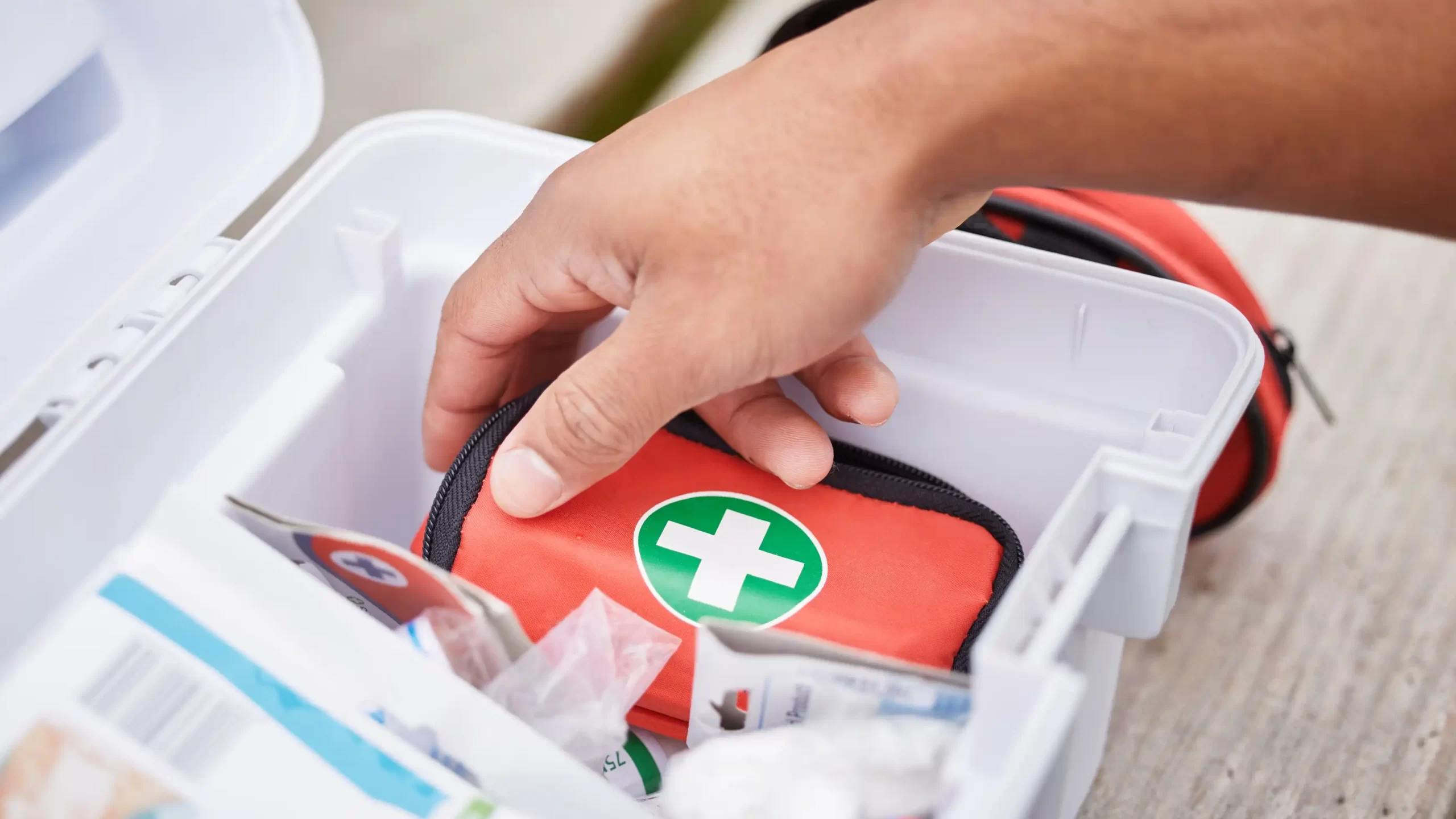
A first aid kit is only useful when it is complete, accessible, suitable for the workplace and checked regularly.
Ignoring first aid kit guidance.
Some workplaces buy a ready-made kit without checking whether the contents are suitable for their workplace size, risk level and emergency needs.
DOSH guidance provides a useful reference for employers when planning workplace first aid facilities, including first aid boxes and supplies.
Check whether the kit contents are suitable for your workplace risk.
Ensure the kit is available where employees can access it quickly.
Keep the items clean, usable and properly maintained.
Assign someone to inspect, replenish and update the kit regularly.
Buying a generic kit without checking workplace risks.
A ready-made first aid kit may be useful as a starting point, but employers should still review whether the contents match the actual risks, work environment and number of people on site.
Workplace type
An office, factory, construction site, warehouse or field work location may need different first aid preparation.
Number of people
The kit should support the number of employees, contractors, visitors or trainees who may be present.
Special hazards
Chemical exposure, machinery, heat, sharp tools or remote work areas may require additional planning.
Response time
If medical help may take longer to arrive, the workplace should review whether current supplies are enough.
Overstuffing the kit with unnecessary items.
A first aid kit should be organised and easy to use during an emergency. Adding too many unnecessary items can make it harder for a first aider to find what is needed quickly.
Keep the kit organised so items can be found quickly.
Remove damaged, expired or unsuitable items.
Avoid adding items that first aiders are not trained or authorised to use.
Not inspecting the kit regularly.
A first aid kit can look ready from the outside, but the contents may be expired, missing, damaged or no longer suitable for the workplace.
Check stock levels
Make sure commonly used items are replenished after training, drills or real incidents.
Check expiry dates
Remove expired items and replace them before they become unusable during an emergency.
Check condition
Look for damaged packaging, contaminated items, broken containers or supplies affected by heat or moisture.
Update the checklist
Keep an inspection record so the responsible person knows when the kit was last checked.
Keeping the kit in the wrong place.
A first aid kit should be easy to find, easy to access and protected from conditions that can damage the contents. Poor storage can delay response or make the supplies unusable when needed.
Place the kit where employees can locate it quickly.
Make sure the kit is not locked away or blocked by furniture, boxes or equipment.
Keep the kit away from excessive heat, moisture, dust or contamination.
Use clear signage so staff and first aiders know where the kit is located.
Is your workplace first aid kit ready to use?
Use these simple questions to check whether your first aid kit is suitable, accessible and properly maintained.
Does the kit content match your workplace risk and number of people on site?
Is the kit easy to find and access during an emergency?
Are expired, damaged or unsuitable items removed and replaced?
Is there a responsible person assigned to inspect and replenish the kit?
Is the inspection record or checklist updated after each review?
Common questions about workplace first aid kits.
Short answers to help employers, safety personnel and first aiders keep first aid supplies ready and properly maintained.
How often should a workplace first aid kit be checked?
It should be checked regularly and after every use, training session or incident. The inspection frequency should match the workplace risk, usage and company procedure.
Who should be responsible for checking the first aid kit?
The employer should assign a responsible person, such as a first aider, safety personnel or appointed PIC, to inspect, replenish and record the condition of the kit.
Can a company use a ready-made first aid kit?
Yes, but the contents should still be checked against workplace risk, headcount, work environment and applicable first aid guidance.
What is a common problem with first aid kits?
Common problems include expired items, missing supplies, poor storage, unclear ownership, overfilled kits and kits that are difficult to find during an emergency.
Should first aid kit inspections be recorded?
Yes. A simple inspection record helps the company know when the kit was last checked, what was replaced and who is responsible for the next review.
Need to strengthen your workplace first aid readiness?
ASEC provides practical First Aid, CPR and AED training to help workplace first aiders respond with more confidence during real incidents.