Ultimately, the best choice depends on your personal learning style and the specific goals you have for your certification. A basic first aid course should do more than just help you pass a test; it should prepare you for the adrenaline of a real world crisis. Balancing modern technology with the proven efficacy of physical practice is the key to becoming a competent and courageous first responder.
The Rise of the Online Basic First Aid Course
Digital learning has transformed how we access safety education, making it possible for anyone with an internet connection to begin. An online basic first aid course is particularly beneficial for those with unpredictable schedules or limited access to physical training centers. It allows students to digest complex medical theory at their own pace, replaying difficult sections until the concepts are understood.
Advantages of Digital Learning
The most significant benefit of an online format is the elimination of travel time and the ability to learn in a comfortable environment. This accessibility ensures that more people can gain a foundational understanding of emergency response. For many, this serves as an excellent resources hub where they can review videos whenever they need a quick refresher on specific protocols.
- Study at your own pace to ensure deep comprehension of theory.
- Save time and money by eliminating the need for daily commuting.
- Access interactive modules that use 3D animations to explain anatomy.
- Review course materials indefinitely to keep knowledge fresh.
- Provide a consistent training experience for large, remote workforces.
Potential Drawbacks of Virtual Training
While theory is easily taught online, the “feeling” of first aid is often lost. You cannot truly understand the resistance of a human chest during CPR through a computer mouse. Without a physical instructor to correct your technique, there is a risk of developing incorrect habits that could be ineffective during a real medical emergency.
Why In-Person Training Remains the Gold Standard
Despite the convenience of the web, the in person basic first aid course continues to be the preferred choice for professional certification. There is no substitute for the tactile feedback provided by medical manikins and the immediate guidance of an experienced trainer. This environment fosters a sense of urgency and realism that is difficult to replicate in a virtual setting.
The Value of Hands On Practice
Physical training sessions allow students to engage in simulated emergencies that test their mental and physical limits. When you attend a session for basic occupational first aid, you are practicing the exact movements you will need to perform under pressure. This builds muscle memory, which is the brain’s ability to execute tasks automatically when the body is flooded with adrenaline.
- Receive immediate feedback from instructors on your CPR technique.
- Practice using real medical equipment like bandages and splints.
- Engage in team based drills to improve communication.
- Build confidence by overcoming the stress of simulated wounds.
- Ask follow up questions in real time to clarify medical steps.
Social Interaction and Group Learning
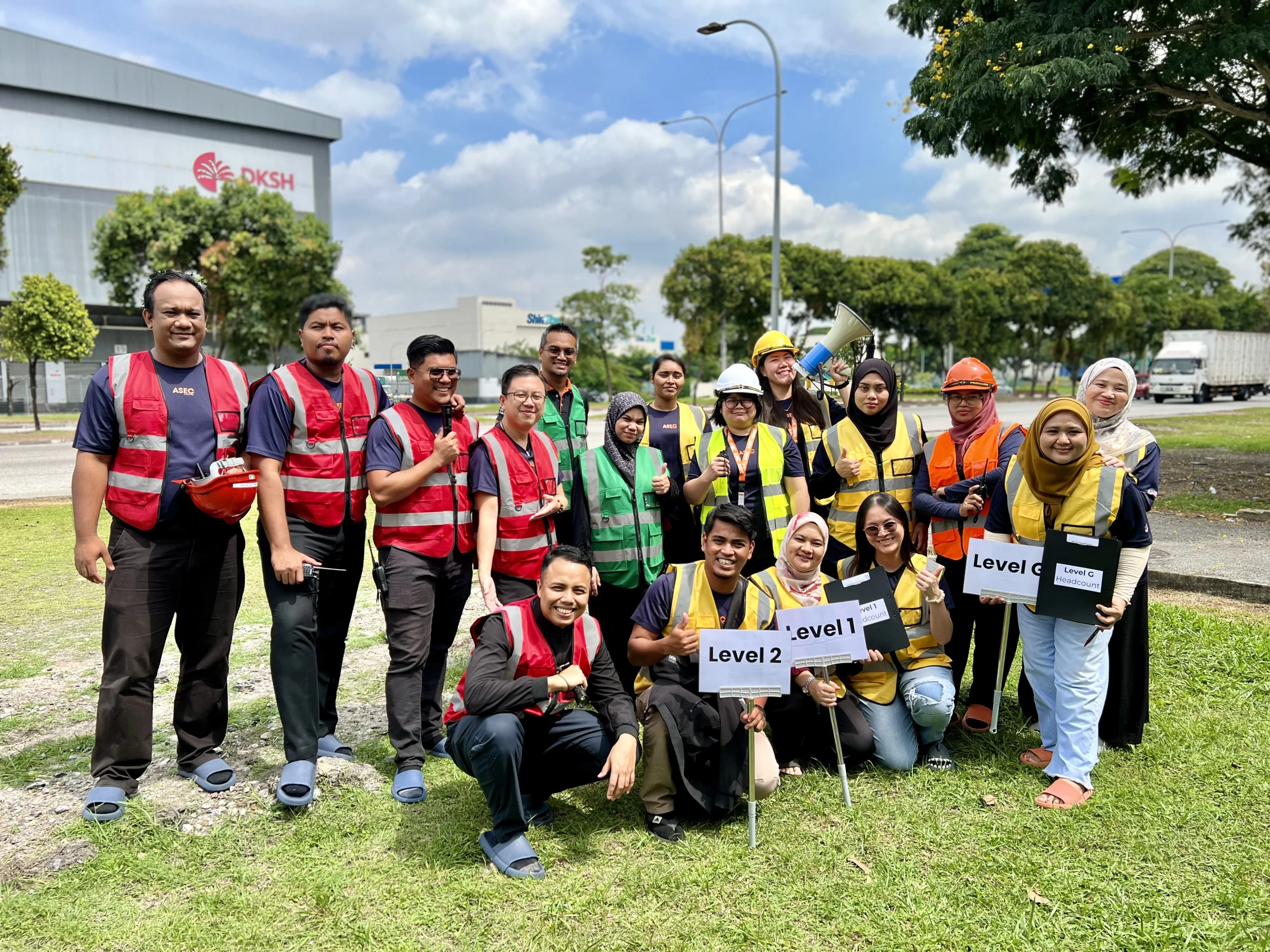
Learning alongside others provides a unique perspective that solo digital study lacks. Hearing the questions and experiences of fellow students can highlight scenarios you might not have considered yourself. Professional training organisations like ASEC facilitate these group dynamics to ensure that every participant leaves with a holistic understanding of how to manage a crowd during a crisis.
Comparing Effectiveness for Workplace Compliance
When it comes to legal requirements and workplace safety, the format of your basic first aid course matters immensely. Employers must ensure that their designated responders are genuinely capable of handling a workplace accident. Regulatory bodies in many regions, including Malaysia, often have strict guidelines regarding the practical components of safety certifications.
Meeting Regulatory Standards
In many industries, a purely online certificate may not be sufficient to meet occupational health and safety laws. A blended approach, which combines online theory with a mandatory in person practical session, is often the best compromise. This ensures that the first aid training meets the rigorous standards required to protect lives in high risk environments like factories.
- Ensure compliance with the Department of Occupational Safety and Health.
- Verify that employees can actually perform life saving maneuvers.
- Reduce the risk of corporate liability during workplace accidents.
- Foster a stronger culture of safety within the physical office.
- Provide a standardized level of care across the entire organization.
Scenario Based Learning and Realism
In person courses often include scenarios specifically tailored to the workplace. For example, learning how to use an AED in a crowded office requires environmental context. These relatable scenarios help employees visualize exactly how they would respond in their specific work setting, making the training far more impactful than a generic online video could ever be.
Frequently Asked Questions
Here are common questions about basic first aid course we often receive:
Conclusion
Whether you choose a digital path or a traditional classroom, the decision to enroll in a basic first aid course is a commendable step toward safety. While online learning offers flexibility, the in person experience remains the most effective way to build the physical competence needed for real emergencies. Understanding the pros and cons of each helps you choose the method that truly empowers you to save a life.
For the best results, many experts recommend a hybrid approach that leverages the strengths of both worlds. According to the Malaysian Red Crescent, maintaining high standards of practical skill is essential for national health resilience. By prioritizing hands on practice alongside modern digital theory, you ensure that your certification represents a genuine ability to help those in need when a crisis strikes.
If you are ready to gain the skills and confidence to handle any medical emergency, the next step is finding a program that fits your lifestyle. We invite you to learn more about us and our various training formats to discover the perfect balance for your safety journey. Investing in your education today ensures that you will never have to be a helpless bystander tomorrow.