
How to Run a 30 Minute First Aid and CPR Refresher at Work
A 30 minute refresher is a simple way to help trained first aiders revisit the essentials, build confidence and keep important emergency actions fresh at work.
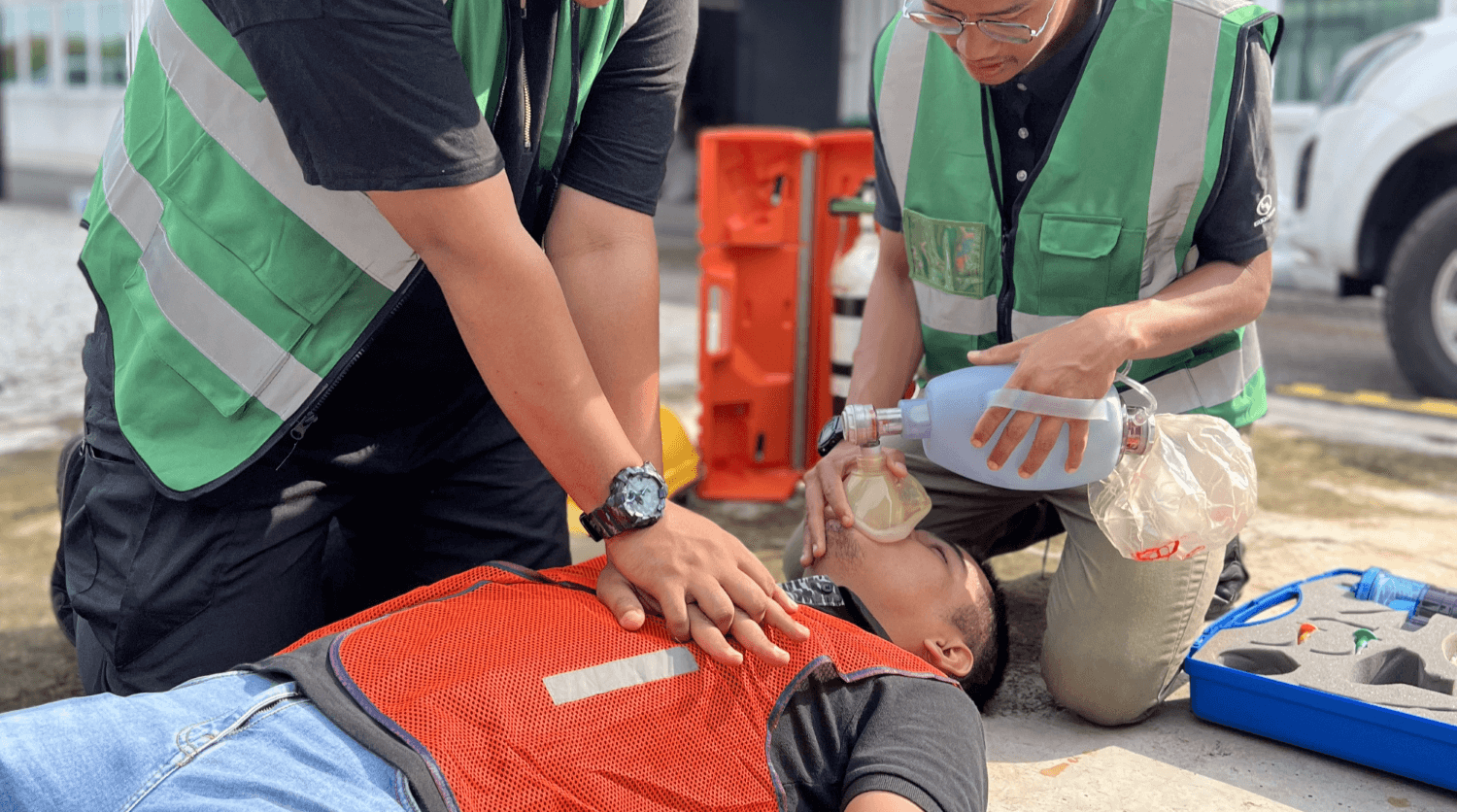
A 30 minute refresher works best when it reinforces what trained first aiders already know, especially CPR flow, AED response, choking response and bleeding control.
First aid skills fade when they are not practised.
Many people may remember the idea of what to do, but real emergencies require calm action, correct steps and confidence. Short refreshers help trained first aiders keep the essential actions familiar before they are needed.
Theory is not enough
Reading about CPR is different from practising hand position, compression rhythm and response flow.
Confidence needs repetition
A refresher helps people feel less unsure when they need to respond quickly and calmly.
Small practice can protect readiness
Even a short session can help reinforce key actions such as CPR, AED use and bleeding control.
A simple flow for a focused first aid refresher
Keep the session short, practical and action based. The goal is not to teach everything again, but to help trained first aiders revisit the steps they are most likely to use during an emergency.
Emergency check
Review scene safety, response check, calling for help and deciding when to start CPR.
CPR practice
Practise hand position, compression rhythm, depth, recoil and switching responders if more than one person is available.
AED response
Refresh how to turn on the AED, follow voice prompts, place pads correctly and clear the person before analysis or shock.
Choking response
Practise the response for conscious choking and what to do if the person becomes unresponsive.
Bleeding control
Review direct pressure, dressing application and when to escalate for further medical support.
Focus on actions that people may hesitate to perform
A short refresher should not try to cover every first aid topic. It works better when it focuses on the actions that need confidence, speed and hands on familiarity.
CPR flow
- Check response and breathing
- Call for help early
- Practise correct hand position
- Maintain compression rhythm and recoil
AED use
- Turn on the AED immediately
- Follow the voice prompts
- Place pads correctly
- Make sure no one touches the person during analysis or shock
Choking response
- Recognise severe choking signs
- Respond quickly and safely
- Know when the situation has changed
- Escalate if the person becomes unresponsive
Bleeding control
- Apply direct pressure
- Use dressing correctly
- Keep pressure while waiting for help
- Know when further medical support is needed
Keep the refresher practical. A short session should help people act with more confidence, not overload them with too many topics.
Best for teams that already have basic first aid training
This format is useful when your team has completed proper First Aid training, but needs short, regular practice to keep important emergency actions familiar.
Keep the setup simple and practice focused
A short refresher does not need to be complicated. Prepare the basic items, keep the group small and make sure the session allows people to practise, not only listen.
CPR manikin
Useful for hands on compression practice, especially for hand position and rhythm.
AED trainer unit
Helps participants practise turning on the device, following prompts and placing pads correctly.
Gloves and dressing materials
Useful for practising basic bleeding control and safe first aid habits.
Timer or metronome app
Helps keep the session on track and supports CPR rhythm practice.
Small practice group
A group of 4 to 8 participants is easier to manage and gives everyone more practice time.
Clear practice space
Make sure there is enough room for CPR practice and safe movement during the refresher.
Questions before running a refresher
A 30 minute refresher is useful when the purpose is clear. It should reinforce important actions, not replace proper training.
How often should a First Aid or CPR refresher be done?
It depends on the workplace risk level and how often the team practises. For many workplaces, short refreshers every few months can help keep key actions familiar.
Can a 30 minute refresher replace full First Aid training?
No. A short refresher is best used for people who have already completed proper First Aid training. It should not be treated as a replacement for full training or certification.
Who should attend this type of refresher?
It is suitable for trained workplace first aiders, ERT members, safety committee members and employees who may need to support an emergency response at work.
What should be included in a short refresher?
A focused refresher can include emergency checking, CPR practice, AED response, choking response and bleeding control. The exact focus can be adjusted based on workplace needs.
Should the refresher be theory based or practical?
It should be mainly practical. A short refresher works best when participants practise the actions they may need to perform during an emergency.
A short refresher can help keep readiness alive
First Aid readiness is not only built during formal training. It is strengthened when people continue to practise, revisit key actions and stay confident before emergencies happen.
Need to refresh your workplace first aiders?
ASEC can support organisations with First Aid training and refresher sessions designed around workplace readiness.