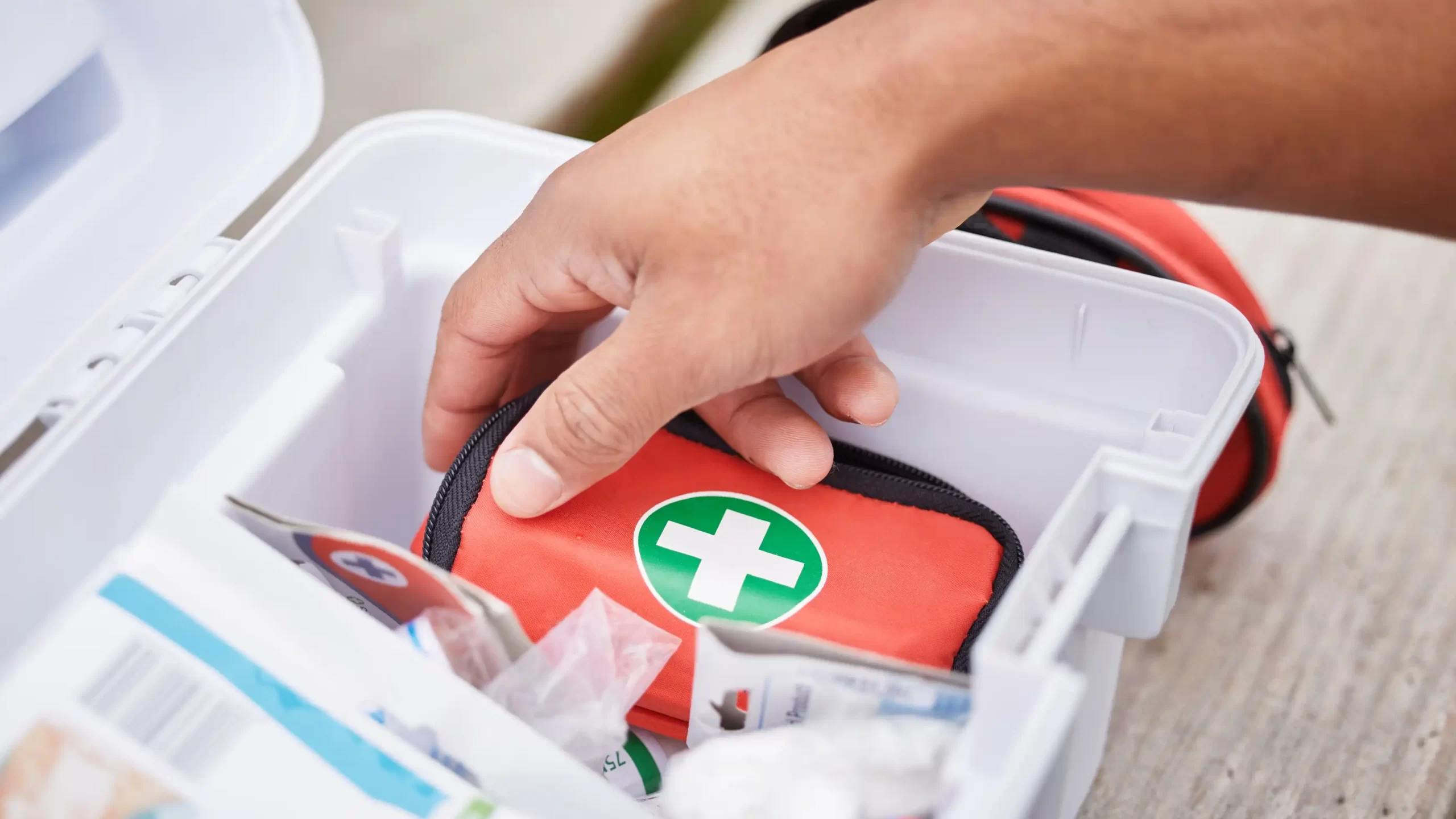
Emergencies strike without warning. A child falls and cuts their knee deeply, or a colleague chokes during lunch. In those critical moments, knowing what to do can save a life. A basic first aid course gives you the confidence and skills to act swiftly and effectively.
These courses teach practical techniques that anyone can master, no medical background required. They focus on stabilising injuries until professional help arrives, turning bystanders into heroes. Whether at home, work or on the road, this training proves invaluable.
For hands-on learning tailored to Malaysian contexts, explore options through ASEC’s First Aid Training page, where certified programmes build real-world readiness.
Why Take a Basic First Aid Course
A basic first aid course empowers ordinary people to handle crises competently. It addresses common search intents like building emergency skills for families or workplaces. By learning core responses, you reduce panic and improve outcomes.
These programmes emphasise immediate actions that bridge the gap to ambulance arrival. Participants gain knowledge rooted in global standards, adapted for local needs.
Key Benefits for Everyday Life
The advantages extend beyond rare disasters. Families report greater peace of mind after training, knowing they can manage minor mishaps or wait safely for help.
Consider a hiking trip in Perak’s hills. Spotting heatstroke early lets you cool the victim and monitor vitals, preventing escalation.
Top benefits include:
- Boost immediate response speed, cutting injury worsening by up to 50% in the first minutes.
- Build family safety nets, ideal for parents handling playground falls or kitchen burns.
- Enhance workplace compliance, meeting Malaysian safety regulations for offices and factories.
- Increase personal confidence, turning hesitation into decisive action during shocks.
- Support community resilience, especially in rural areas or villages where quick aid matters.
Who Should Enrol Immediately
Parents, teachers, drivers and office workers all benefit. Even fit young adults face risks like sports injuries or traffic accidents.
In Malaysia, where road mishaps claim lives yearly, this training aligns with national health drives. Compare it to learning CPR versus hoping for the best; the former equips you directly. Public classes make it accessible, as seen in ASEC’s First Aid Public Class offerings for flexible scheduling.
Core Skills Taught in a Basic First Aid Course
A basic first aid course covers foundational techniques through interactive sessions. Expect demonstrations, practice on dummies and scenario drills that mimic real stress. This hands-on approach ensures retention for high-pressure situations.
Trainers use simple tools like bandages and AED models, building muscle memory.
Managing Common Bleeding and Wounds
Bleeding demands quick assessment: direct pressure stops most flows within minutes. Courses detail tourniquet and haemostatic dressing for heavier cases, explaining why arterial spurts need urgent clamping.
Steps for effective wound care:
- Assess the scene for safety before touching the victim.
- Apply direct pressure with a clean cloth for 5-10 minutes.
- Elevate the limb above heart level if possible.
- Bandage firmly without cutting circulation.
- Monitor for shock signs like pale skin.
This sequence, drawn from standards like those from the Malaysian Red Crescent Society (source), prevents infection and blood loss.
Handling Choking, Burns and Sprains
Choking affects all ages; back blows and abdominal thrusts dislodge blockages safely. Burns require cooling with lukewarm water for 20 minutes, avoiding ice that damages tissue.
Sprains follow RICE: Rest, Ice, Compression, Elevation. Relatable case: a football game twist becomes manageable, avoiding long recoveries. Courses compare minor versus severe, teaching when to seek doctors.
How to Choose the Right Basic First Aid Course
Selecting a programme means matching it to your needs and location. Look for certification from bodies like St John Ambulance or DOSH-approved providers. A basic first aid course should last 8-16 hours, blending theory and practice.
Verify trainer credentials and post-course support for refreshers.
Certification and Duration Factors
Certified courses grant valid cards, often renewable every 2-3 years. Shorter ones suit beginners; longer include advanced modules.
Factors to prioritise:
- Nationally recognised accreditation for job or legal use.
- Practical ratio over lectures, with at least 50% hands-on.
- Local relevance, covering tropical issues like dengue shocks.
- Group sizes under 20 for personalised feedback.
- Flexible timings, including evenings for workers.
Comparing Public vs In-House Options
Public sessions foster networking, while company training customises to sites. Urban commuters weigh travel versus online hybrids. Reputable providers like those listed on ASEC’s site ensure quality without hassle.
Real-World Scenarios and Practice Drills
A basic first aid course shines in simulations replicating chaos. Trainees role-play cardiac arrests or allergic reactions, honing decisions under time pressure. This builds instincts that theory alone cannot.
Feedback loops refine techniques, making you reliable in groups.
Preparing for Home and Travel Emergencies
At home, recognise seizures: protect the head, time the episode, position for recovery. Travel prep includes kit packing and altitude sickness cues.
Common drills cover:
- Heart attack symptoms like chest pain radiating to arms.
- Massive bleeding leading to shock.
- Fractures, immobilising with slings.
Users share stories of applying skills on buses or beaches, validating the training’s impact.
Frequently Asked Questions (FAQs)
Here are common questions about a basic first aid course we often receive. These address typical concerns from parents, professionals and community members searching for reliable info.
A basic first aid course teaches essential emergency responses through classroom theory, videos and practical exercises. It works by simulating real incidents, letting you practise on partners or manikin until skills stick. Expect assessment via quizzes and demos for certification.
Most run 1-2 days, or 8-14 hours total. Some split into evenings for working adults. Refreshers take half the time.
Yes, designed for zero background. Instructors guide gently, focusing on confidence-building. No prior fitness needed.
Children over 12 often join adapted classes; seniors thrive with seated demos. Adjustments ensure inclusivity.
Mastering a basic first aid course transforms how you face uncertainties, from playground scrapes to road pile-ups. Long-term, it fosters safer communities, reduces hospital burdens and equips you for life’s curveballs.
The skills endure, offering empowerment that grows with each confident response. Ready to gain this edge? Reach out via the Contact Us page to find a session near you.
Conclusion
BOFA training champions five low-effort habits delivering profound safety uplifts, from vigilant scans to ergonomic nudges shielding Malaysian teams relentlessly. These embed seamlessly, preventing crises proactively.
Sustained practice forges unbreakable routines, curtailing costs and absences over years. Workplaces evolve safer naturally.
Adopt them via the Contact Us page for BOFA training suiting your site.