
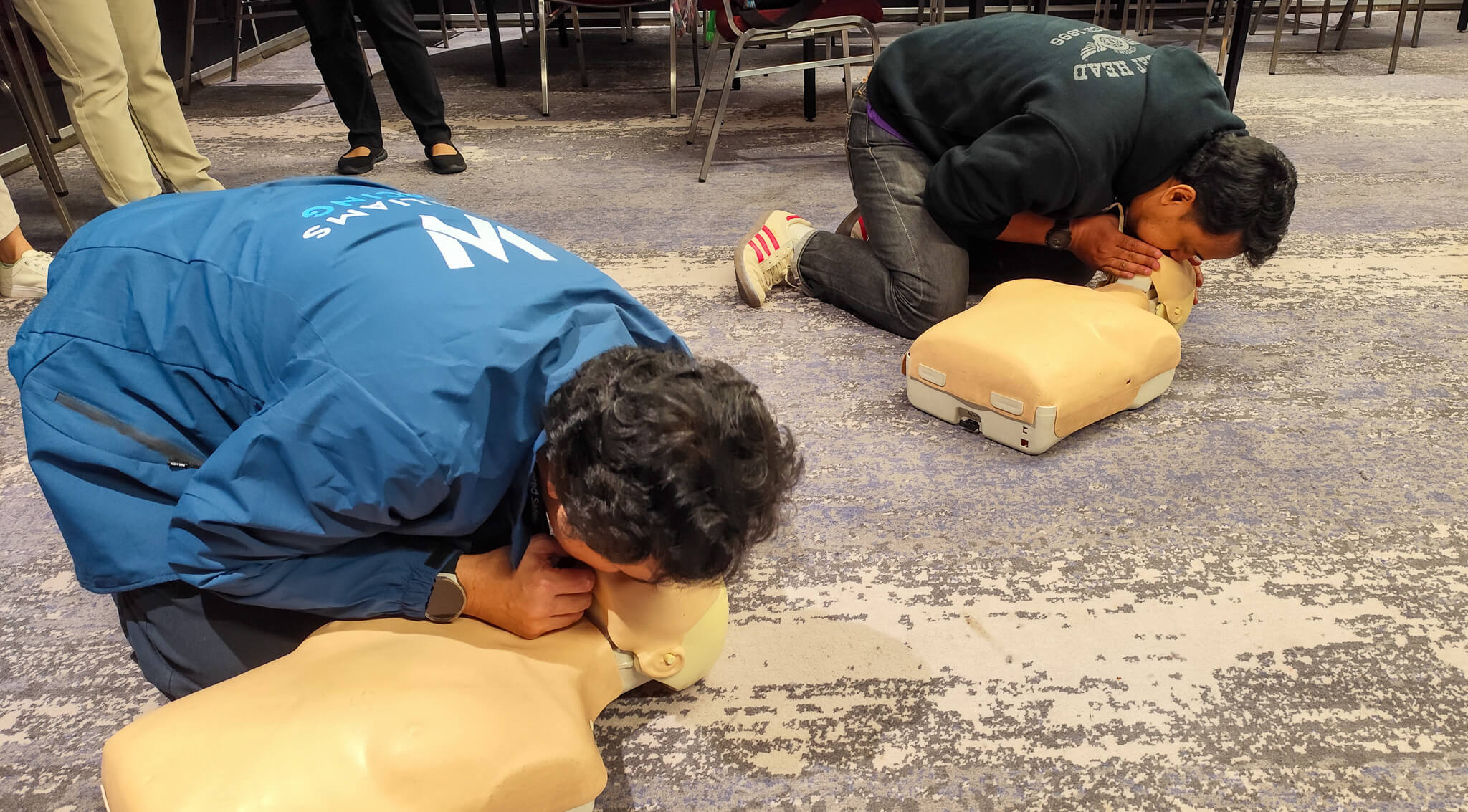
Living in a small town brings a sense of peace and a close knit community. However, these settings frequently face a silent challenge: the distance from major medical hubs. When a sudden emergency occurs, such as a heart attack or a serious accident, the time it takes for an ambulance to arrive can be significantly longer than in urban centres. This geographic gap makes cpr and first aid training a literal lifeline for residents who cannot afford to wait for professional help.
In rural areas, the first person on the scene is rarely a paramedic but rather a neighbour or shopkeeper. By participating in all training programmes designed for emergency response, local citizens transform from bystanders into effective responders. This shift is essential for increasing survival rates in areas where the “platinum minutes” of a medical crisis are often spent in transit.
Empowering a small community with these skills fosters a culture of mutual care. When a significant portion of the population is proficient in cpr and first aid training, the town becomes a safer place for everyone. It provides a vital safety net that bridges the gap between the onset of an emergency and the eventual arrival of advanced medical support.
Bridging the Gap When Help is Far Away
In smaller communities, local infrastructure might only include a small clinic or volunteer fire department. This means that cpr and first aid training acts as the primary defence against preventable fatalities. The ability to maintain blood flow during a cardiac arrest can be the only factor that keeps a casualty alive until they can be transported to a district hospital.
The Critical Nature of Response Time
Research shows that for every minute a person goes without help during a cardiac event, their chances of survival drop. In a small town, an ambulance response might still exceed ten minutes. Residents who have undergone cpr and first aid training understand how to fill this void by providing high quality chest compressions and basic wound management that prevents a condition from becoming terminal.
- Start chest compressions immediately to keep oxygen moving to the brain.
- Use an automated external defibrillator if one is available nearby.
- Manage severe bleeding using pressure or improvised tourniquets.
- Keep the casualty calm and stable to prevent the onset of shock.
- Provide a clear and concise hand over to paramedics upon their arrival.
Empowering Local Business Owners
Shopkeepers and cafe owners are the heart of small town life. When these individuals invest in cpr and first aid training, they turn their businesses into safe havens. A shop owner who can recognise the signs of a stroke or assist a choking customer provides security that makes the town more liveable. Professional training providers help these businesses understand their values by incorporating safety into their identity.
Enhancing Rural Workplace Safety
Many small towns are built around industries such as agriculture or manufacturing. These sectors involve physical labour and machinery, which carry inherent risks of injury. Having a team proficient in cpr and first aid training is not just a legal requirement but a fundamental part of keeping the local workforce healthy and productive.
Managing Industrial and Farm Injuries
Accidents on farms or in small workshops can be complex due to the machinery involved. Employees who have completed basic occupational first aid training are better equipped to handle fractures or deep lacerations. This immediate care is vital in preventing long term disability and ensuring that workers can return to their families safely.
- Identify specific hazards common to rural and industrial environments.
- Maintain a well stocked first aid kit that is easily accessible to all.
- Conduct regular drills to ensure staff can respond without panic.
- Coordinate with local clinics to establish emergency evacuation routes.
- Empower employees to stop work if they identify a significant safety risk.
The Role of Portable Defibrillators
The presence of an AED in a local community centre is a game changer. Because cpr and first aid training teaches residents how to use these devices, the town’s survival rate for cardiac events can rival those of major cities. These machines are designed for ease of use, ensuring that even a non medical person can deliver a life saving shock safely.
Building a Culture of Community Resilience
A town where people know how to save each other is a town with a strong social fabric. When cpr and first aid training is widely available, it breaks down the fear of “doing something wrong.” It replaces that anxiety with the confidence that comes from knowing exactly what to do when a crisis unfolds on a quiet street or in a local park.
Training the Younger Generation
Schools in smaller towns are excellent hubs for spreading life saving knowledge. When students participate in cpr and first aid training, they carry those skills home to their parents. This creates a multi generational safety network where even a teenager can act as a hero in an emergency, further strengthening the bonds within the community.
- Foster a sense of responsibility and civic duty among young residents.
- Provide practical skills that can be used in future career paths.
- Reduce the burden on the few medical professionals living in the area.
- Improve the overall health literacy of the town’s population.
- Create a proactive environment where safety is a shared priority.
Supporting Local Emergency Volunteers
Many small towns rely on auxiliary police or volunteer firefighters. These individuals often start their journey with cpr and first aid training before moving on to specialized roles. By encouraging wide participation in first aid training, a town creates a pipeline of capable volunteers who are ready to support formal emergency services during natural disasters.
Frequently Asked Questions
Here are common questions about cpr and first aid training we often receive:
Conclusion
The importance of cpr and first aid training in small towns cannot be overstated. It is the most effective tool for overcoming the challenges of geographic isolation and ensuring every resident has a fair chance at survival. When a community invests in these skills, it is investing in its own future, creating a safer and more supportive environment for generations to come.
The long term benefits of such initiatives are profound, ranging from improved survival rates to a heightened sense of community spirit. According to the Ministry of Health Malaysia, public participation in emergency response is a vital component of the national healthcare strategy. By making cpr and first aid training a local priority, small towns lead the way in demonstrating that safety and care are shared responsibilities.
If you are ready to help your town become a safer place, the next step is finding a training programme that meets your needs. We encourage you to explore our various first aid training options to see how you can gain the skills to protect your loved ones. Signing up for cpr and first aid training today is the most powerful way to ensure that when help is needed, you are ready.