In high stakes workplaces, the difference between a minor incident and a fatality often depends on the response speed. For many Malaysian employees, bofa training is the first step toward becoming a safety pillar. This certification is more than a regulatory requirement; it transforms an ordinary worker into a confident responder capable of acting decisively when seconds count.
Understanding the curriculum helps participants appreciate each lesson’s gravity. By exploring all training options, organisations ensure teams are truly prepared for real crises, not just compliant. The modules progressively build confidence, moving from patient assessment to complex life saving techniques applicable in industrial and commercial settings.
Knowing what to expect alleviates anxiety for safety officers and new trainees alike. The curriculum is comprehensive, covering everything from cardiac arrest to severe trauma. This guide breaks down the core components of bofa training and why each module is vital for survival in the local workforce.
Core Lifesaving Techniques and Resuscitation
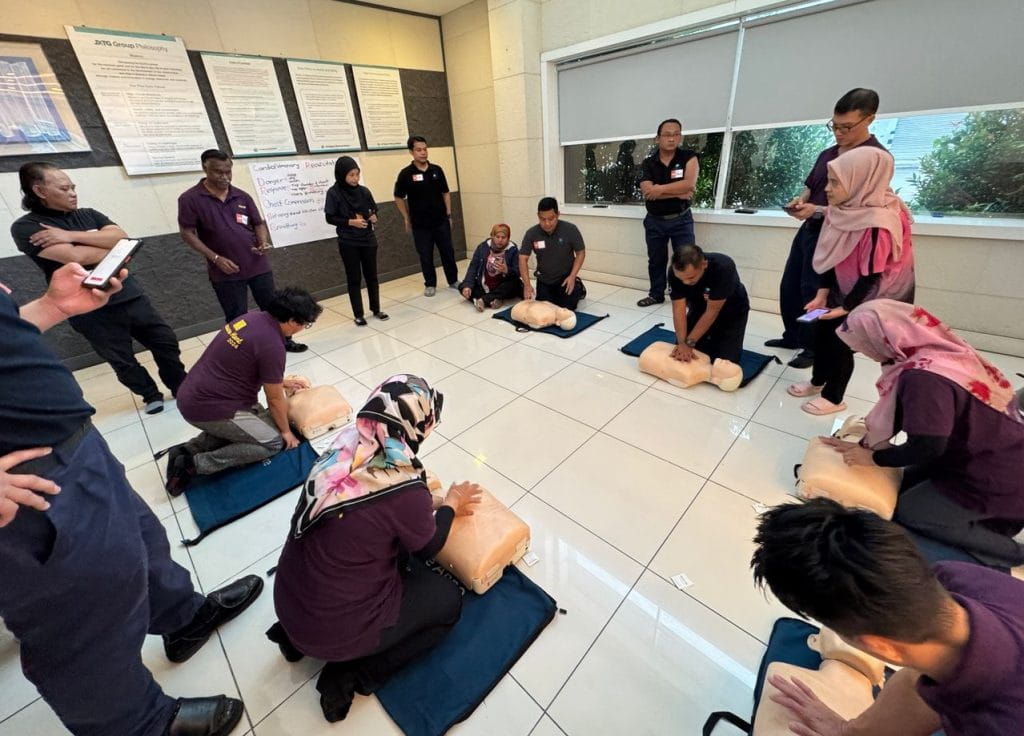
The foundation of bofa training is mastering CPR and automated external defibrillators (AEDs). This physically demanding module addresses the immediate threat of cardiac events. Responders learn to maintain a rhythmic pace that keeps oxygenated blood flowing to the brain until paramedics arrive.
Mastering CPR and Choking Procedures
Chest compressions and rescue breaths are a first aider’s primary tools. Participants learn the correct depth and rate, plus nuances for helping choking casualties. High fidelity manikins provide real time feedback on technique effectiveness.
- Perform chest compressions at 100 to 120 beats per minute.
- Deliver rescue breaths only when the airway is unobstructed.
- Apply a series of back blows followed by abdominal thrusts for conscious choking victims.
- Rotate rescuers every two minutes to prevent exhaustion.
- Identify signs of successful resuscitation immediately.
Automated External Defibrillator Integration
While manual CPR is vital, using an AED significantly increases survival chances. Students learn to apply pads correctly and follow voice prompts. This removes the fear of medical technology and ensures a safe, seamless transition between manual compressions and electronic shocks.
Trauma Management and Wound Care
Industrial workplaces are prone to injuries ranging from minor cuts to life threatening haemorrhages. This section of bofa training focuses on stopping blood loss and protecting casualties from further harm. Knowing how to apply dressings under pressure prevents shock, a leading cause of post accident complications.
Bleeding Control and Shock Prevention
Responders learn to identify bleeding types and apply appropriate pressure. The module covers tourniquets for severe limb injuries, a skill that saves lives in industrial settings. Maintaining body temperature and elevating legs are also taught as critical steps in managing shock.
- Apply direct pressure using sterile gauze or clean cloth.
- Utilise pressure bandages to maintain force on the injury.
- Recognise early signs of internal bleeding like swelling.
- Position the casualty to maintain blood flow to vital organs.
- Monitor pulse and breathing until emergency services arrive.
Fracture Stabilisation and Splinting
In falls or machinery accidents, broken bones are common. Participants in bofa training learn to immobilise limbs using splints and slings, preventing bone ends from damaging muscles or vessels. Visit our About Us page, which includes sections explaining how our curriculum aligns with international standards.
Managing Medical Emergencies at Work
Not all emergencies involve physical trauma; many are sudden illnesses like heart attacks or strokes. This module equips rescuers with diagnostic skills to recognise symptoms before they become critical. It bridges the gap between feeling unwell and an ambulance arriving, ensuring specific care is provided.
Identifying Heart Attacks and Strokes
Time is brain and heart muscle during these events. Students use the “FAST” acronym to identify strokes and recognise common heart attack signs like chest tightness. Acting quickly ensures the casualty receives hospital treatment that minimises long term damage.
- Assess face drooping by asking the casualty to smile.
- Check for arm weakness by asking them to raise both limbs.
- Listen for slurred or strange speech patterns.
- Record the exact time symptoms appeared for doctors.
- Keep the casualty calm and seated comfortably.
Diabetes, Asthma and Seizures
Managing chronic conditions is common for first aiders. Bofa training teaches how to assist during asthma attacks or protect a person during a seizure. These interventions keep people safe until the episode passes or help takes over. This ensures first aid training covers the full spectrum of human health.
Frequently Asked Questions
Here are common questions about bofa training we often receive:
Conclusion
The comprehensive nature of bofa training ensures every participant leaves with the tools to protect their workplace. Each module, from resuscitation to trauma care, serves a specific purpose in the chain of survival. By investing in this education, employers and employees prioritise the well being of their team members.
The long term benefits extend beyond the factory floor. These are life skills used at home or on the road. According to the Malaysian Society for Occupational Safety and Health, a trained workforce is the first line of defence against tragedy. When everyone knows their role, the organisation becomes more resilient.
If you are ready to enhance your safety standards, choosing the right programme is the first step. We invite you to browse our first aid training courses to find the perfect fit. Securing your bofa training today is the best way to ensure you are prepared for whatever tomorrow brings.