Imagine a sudden fall at home, a choking incident at work, or a minor cut that turns serious on a family outing. These everyday emergencies can happen without warning, and knowing basic first aid could make all the difference. Choosing the right first aid course equips you with practical skills to respond confidently and save lives.
In Malaysia, where busy lifestyles and unpredictable situations are common, a quality first aid course stands out as an essential investment. Whether you are a parent, teacher, or office worker, the best programmes blend hands-on training with real-world scenarios. Providers like Asec’s First Aid Training offer tailored options that match diverse needs.
This guide breaks down key factors to help you select a first aid course that truly fits. We explore types, certification details, and practical tips, so you can act with assurance when it matters most.
Understanding Types of First Aid Courses
A first aid course comes in various formats to suit different lifestyles and goals. From basic overviews for beginners to advanced modules for professionals, these programmes ensure you learn skills relevant to your world.
Selecting the right one starts with assessing your daily risks. For instance, someone in a factory might prioritise injury management, while a school volunteer focuses on child-specific responses.
Essential First Aid for Everyday Heroes
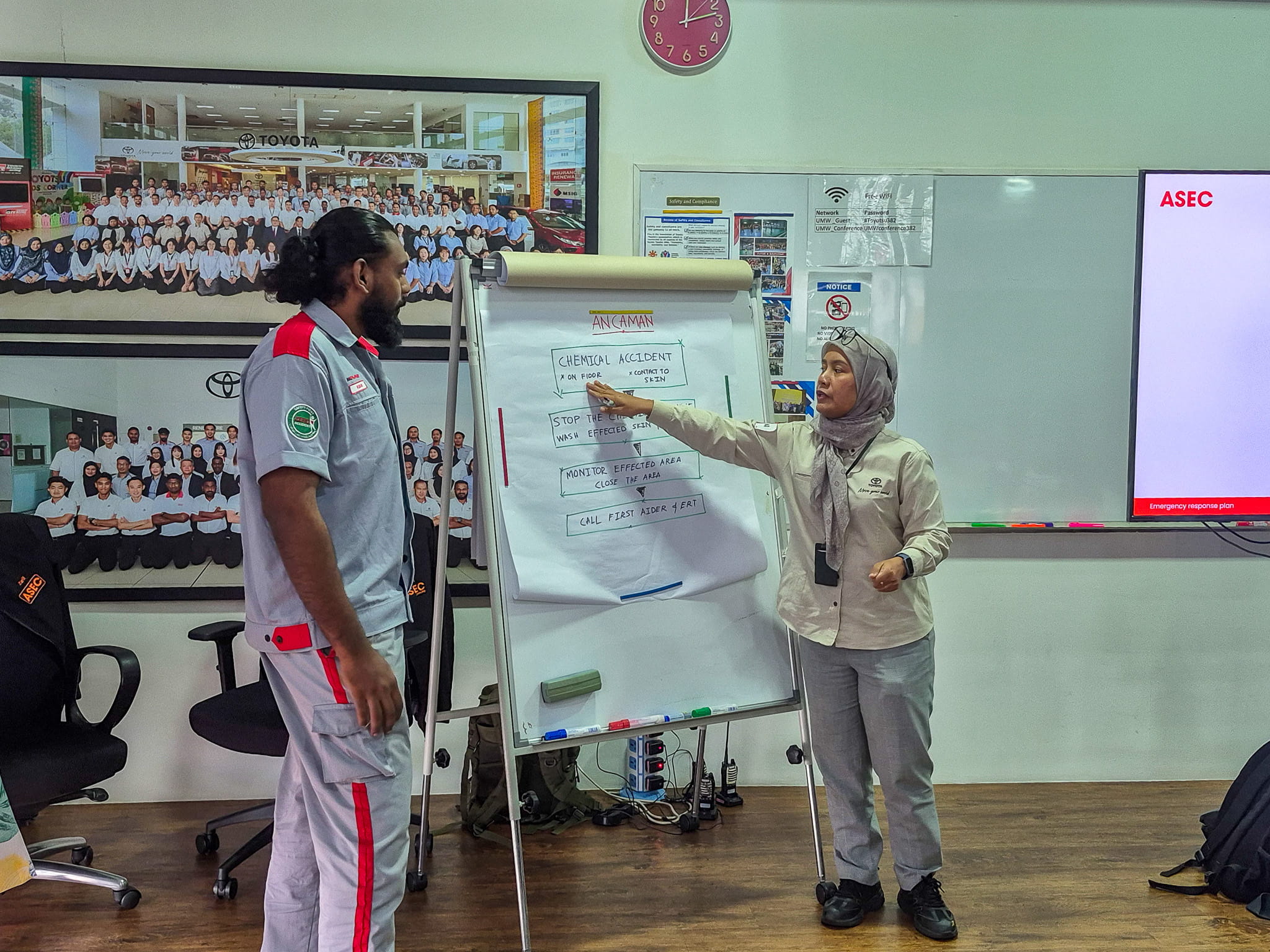
Essential first aid courses introduce core techniques like basic life support, injury and medical emergencies management. These entry-level options last 4 to 8 hours and suit parents, homemakers, or community members who want quick, actionable knowledge.
They cover immediate responses to common issues such as CPR techniques, burns, sprains, and choking. Participants practise on mannequins, building muscle memory for real crises. In rural places, where access to hospitals might take time, this training proves invaluable.
- Recognise signs of cardiac arrest and start CPR within minutes.
- Bandage wounds to prevent infection effectively.
- Manage a heart attack incident effectively.
- Stabilise fractures with simple splints on the spot.
- Control severe bleeding through direct pressure methods.
Basic Occupational & Advanced First Aid Training
These courses dive deeper, often spanning 2 to 4 days, and target workplaces or high-risk environments. They build on basics with topics like patient assessment application, spinal injury management and oxygen use.
Office managers or construction supervisors benefit most, as these align with Occupational Safety and Health (OSHA) standards in Malaysia. Relatable scenarios, such as responding to a fall from height, make the training stick.
Compare this to essential courses: these comprehensive courses include team drills simulating multi-casualty events, preparing you for coordinated action.
Key Factors to Choose Your Ideal First Aid Course
Beyond types, several elements determine if a first aid course meets your needs. Accreditation ensures credibility, while delivery style affects how well you retain skills.
Focus on programmes that prioritise practice over theory. Hands-on sessions turn abstract knowledge into instinctive responses, crucial in high-pressure moments.
Accreditation and Certification Standards
Look for first aid courses certified by recognised bodies like the Malaysian Red Crescent Society here or St John Ambulance. These endorsements guarantee up-to-date content aligned with global guidelines.
Certificates typically last 2 to 3 years, requiring refreshers to stay current. In Malaysia, DOSH-compliant courses matter for compliance in sectors under OSHA act.
Valid certification opens doors, from workplace requirements to volunteer roles. Always verify the provider’s track record through client testimonials.
Course Duration, Format, and Hands-On Practice
Durations vary from half-day public sessions to multi-day intensives.
Asec’s First Aid Public Class offers flexible timings that fit busy schedules.
Online theory pairs with in-person drills for best results, blending convenience with realism. Picture practising AED use on a realistic trainer, boosting confidence.
Factors like class size influence interaction; smaller groups allow personalised feedback.
- Schedule around weekends for working adults.
- Opt for hybrid formats if travel is an issue.
- Prioritise courses with 70% practical time.
- Check for post-course support like skill refreshers.
Benefits of Enrolling in the Right First Aid Course
The true value of a first aid course emerges in its lifelong impact. It empowers you to act decisively, potentially turning tragedy into recovery.
Professionals see career boosts, while families gain peace of mind. Studies show trained individuals respond 40% faster in emergencies.
Immediate Life-Saving Skills and Confidence Boost
You gain tools to handle heart attacks, seizures, or anaphylaxis right away. Confidence grows through repeated drills, reducing panic in real scenarios.
Teachers in Perak schools, for example, use these skills daily for playground mishaps. The emotional reward of helping a loved one cannot be overstated.
Workplace Compliance and Long-Term Preparedness
Employers value certified staff, meeting legal mandates under the Occupational Safety and Health Act 1994. A first aid course ensures your team stays audit-ready.
Over time, skills sharpen intuition for prevention, like spotting trip hazards. Refreshers keep you sharp, adapting to evolving protocols.
Frequently Asked Questions (FAQs)
Here are common questions about first aid courses we often receive. These address typical concerns to help you decide confidently.
A first aid course teaches essential emergency response skills through lectures, demonstrations, and hands-on practice. It works by simulating real incidents, so you learn to assess, act, and alert professionals step by step.
Most certifications remain valid for 2 to 3 years, depending on the provider and level. Annual refreshers or practice sessions help maintain proficiency beyond expiry.
Yes, these courses welcome complete novices, starting with simple concepts and building gradually. Instructors adapt to your pace, ensuring everyone leaves capable.
Hybrid options exist, with online theory followed by mandatory in-person practicals for safety. Purely virtual courses suit theory only, not full certification. However, ASEC does not practice this anymore.
Prices range from RM100 for basic public classes to RM500+ for advanced occupational training. Factors like duration and certification influence fees.
Conclusion
Picking the perfect first aid course boils down to matching your needs with accredited, practical training. Whether basic or advanced, it arms you with skills that protect loved ones and colleagues in critical moments.
Long-term, this knowledge fosters safer communities and personal resilience, especially in dynamic places like Perak. Regular refreshers ensure you stay prepared as protocols evolve.
Ready to get started? Visit our Contact Us page to discuss options tailored just for you.