
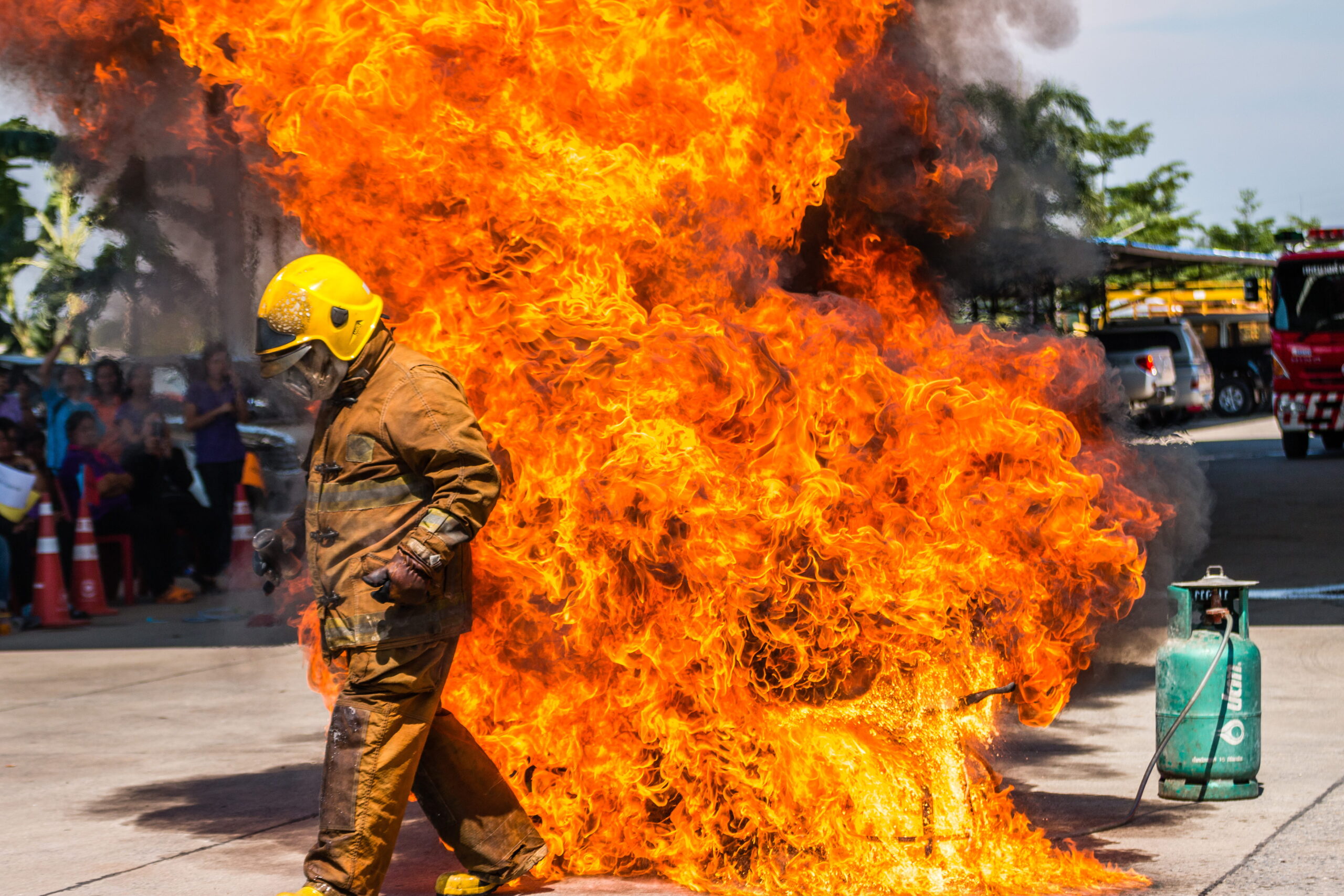
When a fire alarm echoes through a building, the immediate reactio n of the occupants determines the outcome of the next few critical minutes. For most people, the goal is a safe evacuation, while for others, the goal is to run toward the danger to suppress it. This distinction is at the heart of the confusion between fire training and professional firefighter training. While both are centered on safety, they serve entirely different purposes in the ecosystem of emergency response.
To better understand these different roles and levels of response, you can explore ASEC’s Firefighting Training programmes for workplace preparedness and advanced emergency response.
Understanding these differences is not just a matter of semantics; it is a vital part of organisational safety planning. Many business owners mistakenly believe that their staff need to be amateur firefighters, when in fact, the most effective training for a general workforce focuses on prevention, early detection, and orderly exit strategies. Having a clear grasp of these roles prevents life-threatening delays during a real emergency.
The emotional weight of a fire emergency can lead to panic if people are not prepared for their specific roles. Comprehensive safety programs aim to replace that fear with calculated action. Whether you are a designated fire warden or a regular employee, knowing your boundaries is just as important as knowing your responsibilities. This ensures that every individual acts as a link in a chain that leads to a successful, injury free resolution.
The Objectives of Workplace Fire Training
General workplace fire training is designed for the average employee to ensure they can react appropriately without putting themselves in undue danger. The primary objective is life safety rather than property preservation. This type of instruction focuses on the immediate actions required to notify others and clear the premises effectively.
Core Components of Employee Preparedness
In a standard commercial or industrial setting, employees are taught the basics of fire behavior and the proper use of portable extinguishers. However, the most critical lesson in fire training is knowing when a fire is too large to handle. This training empowers staff to make split second decisions that prevent a small incident from becoming a tragedy.
- Recognize different classes of fire and the corresponding extinguishing agents.
- Demonstrate the PASS method for operating a fire extinguisher correctly.
- Identify evacuation routes and the location of assembly points.
- Understand the role of fire wardens in coordinating a building sweep.
- Report hazards such as blocked exits or faulty smoke detectors immediately.
Enhancing Response Through Simulation
Practical exercises, such as fire drills, are a staple of this level of preparation. These simulations help build muscle memory so that the workforce does not freeze when the alarm sounds. Training providers like ASEC specialize in making these scenarios realistic yet safe, ensuring that the theoretical knowledge translates into calm, coordinated action during a real world crisis.
The Intensity of Professional Firefighter Training
On the other end of the spectrum is professional firefighter training, which is a rigorous, long term commitment. While workplace responders focus on getting out, firefighters are trained to go in. This requires a level of physical fitness, technical skill, and specialized equipment that far exceeds the requirements of a general safety course.
Advanced Suppression and Rescue Techniques
Firefighters must master complex tasks such as structural ventilation, search and rescue in zero visibility, and the handling of hazardous materials. Programmes like basic occupational firefighting serve as an introductory bridge for corporate emergency response teams, but they still operate under a different set of protocols than the general workforce. Firefighters use heavy duty gear, including self contained breathing apparatus, to survive environments that would be fatal to an untrained person.
- Master the use of high pressure hoses and advanced pumping systems.
- Execute technical rescue operations in confined spaces or at heights.
- Utilize thermal imaging cameras to locate victims through thick smoke.
- Understand structural integrity to predict potential building collapses.
- Coordinate with multiple emergency agencies using a centralized command structure.
The Psychological Rigour of Professional Response
Beyond the physical demands, professional responders must possess the mental fortitude to handle high stress environments for extended periods. They are trained to operate as a cohesive unit where every move is calculated to minimize risk while maximizing the chance of saving lives. This level of expertise is typically reserved for full time professionals or highly specialized industrial fire brigades.
Compliance and Legal Requirements in Malaysia
In Malaysia, the distinction between these training levels is also defined by legal standards and compliance. The Fire and Rescue Department of Malaysia (BOMBA) sets specific guidelines on what constitutes adequate preparation for different types of premises. Failure to meet these standards can lead to significant legal repercussions for business owners.
Regulatory Standards for Business Safety
Every business is required to have a certain number of trained individuals on site at all times. This often involves a basic occupational first aid certification alongside fire safety training to ensure a holistic response. These requirements are in place to ensure that the initial minutes of an emergency are managed professionally until the official emergency services arrive.
- Appoint and train a dedicated Fire Safety Manager or Fire Warden.
- Conduct annual fire audits to ensure all equipment is in working order.
- Maintain a valid Fire Certificate for high risk or high occupancy buildings.
- Ensure all training is conducted by accredited and recognized providers.
- Keep detailed records of all fire drills and staff training sessions.
Why Quality Training Matters
Choosing a reputable training partner is essential for meeting these regulatory demands. Learning more about the expertise of your training provider ensures that the curriculum is up to date with the latest safety codes. A professional approach to safety not only satisfies the law but also builds a culture of trust and security among the employees who work in the facility every day.
Frequently Asked Questions
Here are common questions about fire training we often receive:
Conclusion
Distinguishing between fire training and professional firefighting is essential for creating a realistic and effective safety plan. By focusing on the correct level of preparation for your team, you ensure that employees are equipped with life saving skills without being burdened by roles they are not equipped to handle. A well trained workforce is the first line of defense in preventing minor incidents from escalating into catastrophic losses.
Investing in high-quality safety education is a long-term strategy that protects both people and assets. According to fire safety authorities such as the Fire and Rescue Department of Malaysia (BOMBA), public participation in fire safety is a critical component of effective emergency management. When everyone knows their role, from the person pulling the alarm to the firefighter entering the building, the entire community becomes more resilient.
If you are ready to strengthen your organization's emergency response and ensure full compliance with safety regulations, the next step is choosing a program tailored to your needs. We invite you to explore our firefighting training options to discover how our professional courses can help you build a safer, more prepared workplace today.