
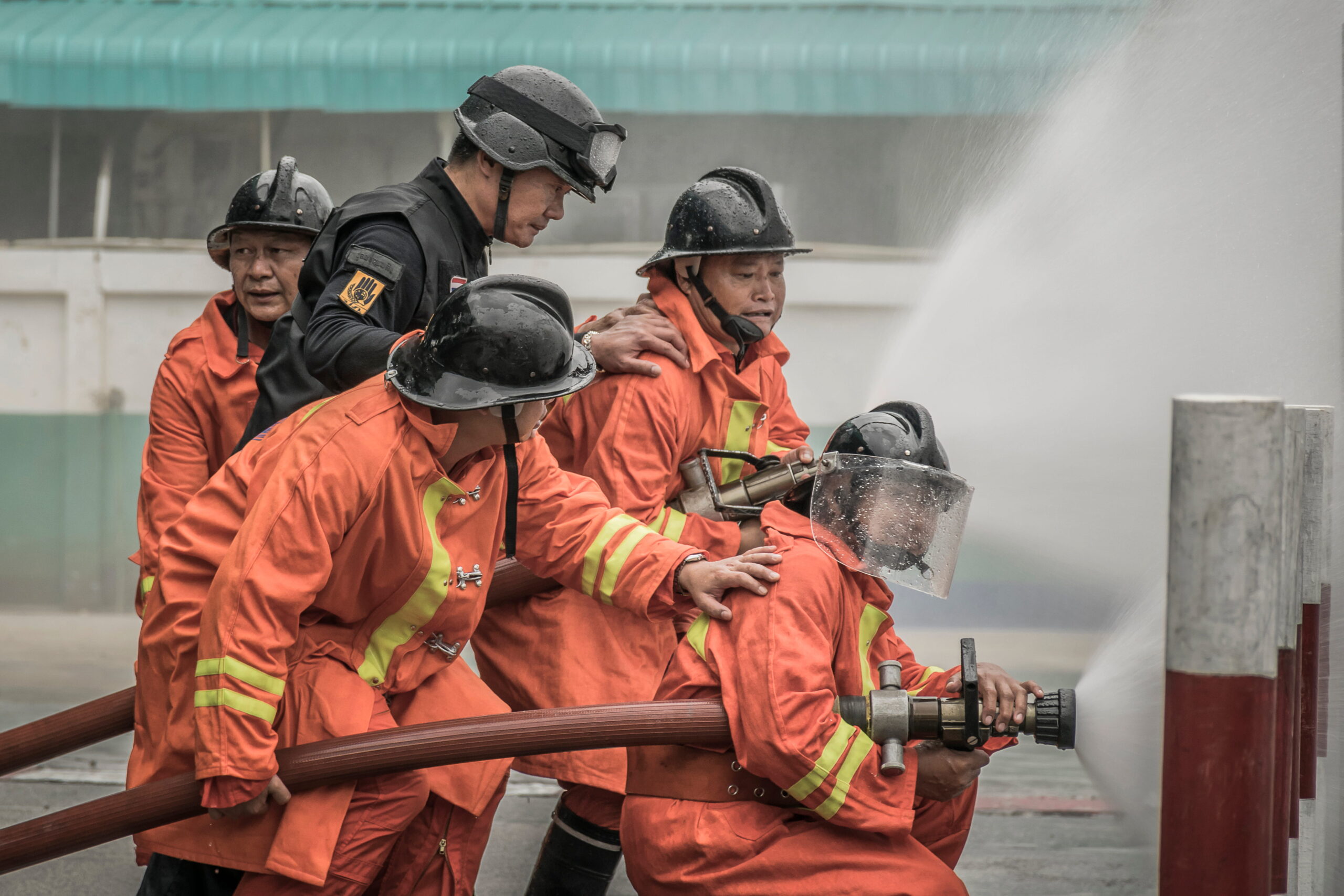
We have all seen the cinematic version of a hero charging through a wall of orange flames to rescue a victim. While these Hollywood blockbusters make for thrilling entertainment, they often paint a misleading picture of the actual rigors involved in professional firefighter training. In reality, the job is less about slow motion walks away from explosions and more about disciplined preparation, calculated risk assessment and technical mastery.
The disconnect between the silver screen and the training ground can create unrealistic expectations. True preparedness is built through hundreds of hours of all training modules that cover everything from thermal dynamics to advanced rescue techniques. Understanding the reality of this profession helps us appreciate the genuine sacrifices made by responders who face heat and smoke that no camera lens can truly capture.
By breaking down these myths, we can better understand the vital role of education in saving lives. Realistic firefighter training is not just about physical strength; it is about mental fortitude and the ability to work as a seamless unit under pressure. Let us dive into the most common cinematic tropes and compare them with the gruelling reality of modern firefighting standards.
Cinematic Smoke vs The Reality of Zero Visibility
In movies, smoke is often represented as a light mist that allows the hero to see clearly across a room. In actual firefighter training, recruits learn that real smoke is thick, black, and completely opaque. It acts as a physical barrier that strips away your sight, forcing you to rely on other senses and specialised tools to navigate a burning structure safely.
Navigating the Blackout
Firefighters do not run through buildings; they crawl. Professional firefighter training emphasises the importance of staying low to the floor where the air is slightly clearer. Trainees spend weeks practicing blind searches in smoke-filled environments where they must maintain contact with a wall or hose line to avoid becoming disoriented within a maze of fire.
- Maintain physical contact with a partner at all times.
- Sweep the floor ahead with a tool to identify obstacles.
- Stay below the thermal layer to avoid toxic gases.
- Listen for the sound of fire or victim calls.
- Use thermal imaging cameras to see through the density.
The Role of Breathing Apparatus
Unlike movies where characters breathe comfortably in burning rooms, real responders depend entirely on Self Contained Breathing Apparatus. A core part of firefighting training involves air management, where recruits learn to control their breathing rate to maximize limited supply. This is a far cry from the shouting often depicted on screen, as calm breathing is essential for survival during firefighter training.
Equipment Myths and the Weight of Protection
Hollywood often shows firefighters wearing their helmets with loose straps or carrying equipment with effortless ease. The reality is that personal protective equipment is incredibly heavy. Every piece of gear has a specific safety function, and failing to wear it correctly during a firefighter training exercise can result in immediate injury.
The Burden of the Bunker Gear
A fully equipped responder carries between 25 and 30 kilograms of extra weight. During firefighter training, individuals must perform high intensity tasks, such as climbing ladders, while wearing this heavy insulation. This leads to rapid heat exhaustion, which is why conditioning is prioritised over the macho imagery often seen in action films.
- Don the full protective suit in under sixty seconds.
- Carry heavy high pressure hoses up multiple stairs.
- Master specialized tools like the Halligan bar for entry.
- Practice the safe deployment of AED units for medical emergencies.
- Operate heavy hydraulic rescue tools to extricate victims.
Technical Precision over Brute Force
Movies love the image of an axe being swung wildly to break down a door. In a professional advanced firefighting course, students learn that such actions can feed oxygen to a fire and cause a deadly backdraft. Instead, they learn the science of forcible entry, using leverage and specific strike points to gain access while maintaining control over the environment.
Team Dynamics and the Incident Command System
Action movies follow a lone wolf hero who ignores orders to save the day. In the real world of firefighter training, such behavior is a liability that endangers the entire crew. Firefighting is the ultimate team sport, governed by a strict Incident Command System that ensures every person on the scene knows exactly where they are supposed to be.
The Power of Disciplined Coordination
Safety on the fire ground depends on clear communication and trust in the chain of command. Training centres like ASEC focus on building this coordination through repetitive drills. When you see a team working efficiently, it is the result of about months of practicing these protocols until they become second nature for every member involved in firefighter training.
- Follow the direct orders of the Sector Commander.
- Report all progress over the radio using standard codes.
- Account for every team member using the buddy system.
- Coordinate with support units like water tankers.
- Perform a structured debrief after every exercise.
Real World Scenarios and Relatability
While movies focus on the explosion, real life training focuses on vital details like checking equipment and securing water sources. Relatable scenarios, such as responding to a kitchen fire, help trainees understand that most calls are about methodical problem solving. This grounded approach is what truly prepares a responder for the long hours of professional firefighter training.
Frequently Asked Questions
Here are common questions about firefighter training we often receive:
Conclusion
While movies provide a thrilling escape, they rarely capture the true essence of firefighter training. The reality is more impressive because it relies on human discipline, scientific knowledge and an unwavering commitment to safety. By stripping away the Hollywood glitter, we see the true value of professional education and the immense effort required to become a guardian of the community.
The long-term benefits of these rigorous standards are seen in the lives saved and property protected every day. According to the National Fire Protection Association (NFPA), keeping up with international safety standards is essential for addressing the evolving risks of modern urban environments.
If you are looking to enhance the safety of your own workplace or want to understand the protocols that protect our cities, the next step is choosing an accredited training provider. We invite you to explore our various firefighting training programmes to see how we can help you build a more resilient team. Taking the time to invest in firefighter training today is the best way to ensure a secure tomorrow.