Workplace emergencies can occur without warning and the first few minutes often determine the outcome. For small and medium enterprises in Malaysia, having trained first aiders on site is not just a legal requirement but a critical investment in employee safety and business continuity. First aid training equips your workforce with the skills to respond confidently during medical emergencies, potentially saving lives whilst reducing the severity of injuries.
Malaysian employers are obligated under the Factories and Machinery Act 1967 and the Occupational Safety and Health Act 1994 to ensure the safety, health, and welfare of their employees. This includes providing adequate first aid facilities and trained personnel who can deliver immediate care before professional medical help arrives. For SMEs operating with limited resources, understanding the available training options and compliance requirements is essential to building a safer workplace.
Whether you are looking to meet regulatory standards or enhance your team’s emergency preparedness, certified programmes offer structured pathways that align with both local and international guidelines. This guide explores the training options, benefits, and practical considerations for Malaysian SMEs investing in workplace first aid capabilities.
Understanding First Aid Training Requirements for Malaysian Workplaces
The Department of Occupational Safety and Health (DOSH) Malaysia provides clear guidelines on workplace first aid requirements. Employers are required to appoint suitable personnel as first aiders and ensure they receive proper training from institutions recognised by DOSH or the Ministry of Health. This training must include essential competencies such as basic emergency response principles, patient assessment, wound management and the use of automated external defibrillators (AEDs).
Research shows that first aid training helps employees become more conscious of safety in the workplace, leading to reduced accidents and injuries. For SMEs, this translates to fewer disruptions, lower insurance premiums and improved employee morale. Studies conducted in Malaysia have demonstrated significant improvements in knowledge, confidence, and perceived ability to perform first aid following structured training programmes.
Who Should Attend First Aid Training
First aiders in the workplace must meet specific criteria to fulfil their responsibilities effectively. Suitable candidates should be physically fit and capable of performing emergency procedures, free from blood-borne infectious diseases, able to leave their work immediately to respond to emergencies and willing to undergo recertification training every three years. These individuals become the frontline responders during workplace incidents, responsible for saving lives, preventing conditions from worsening and providing care until professional medical services arrive.
Core Training Modules and Curriculum
DOSH-compliant first aid training must include lectures, demonstrations, hands-on exercises, and assessments in both written and practical formats. The minimum curriculum requirements cover:
- Introduction to basic anatomy including cardiovascular and respiratory systems
- Basic emergency principles
- Patient assessment techniques for rapid victim evaluation
- Management of wounds, burns, fractures, and bleeding
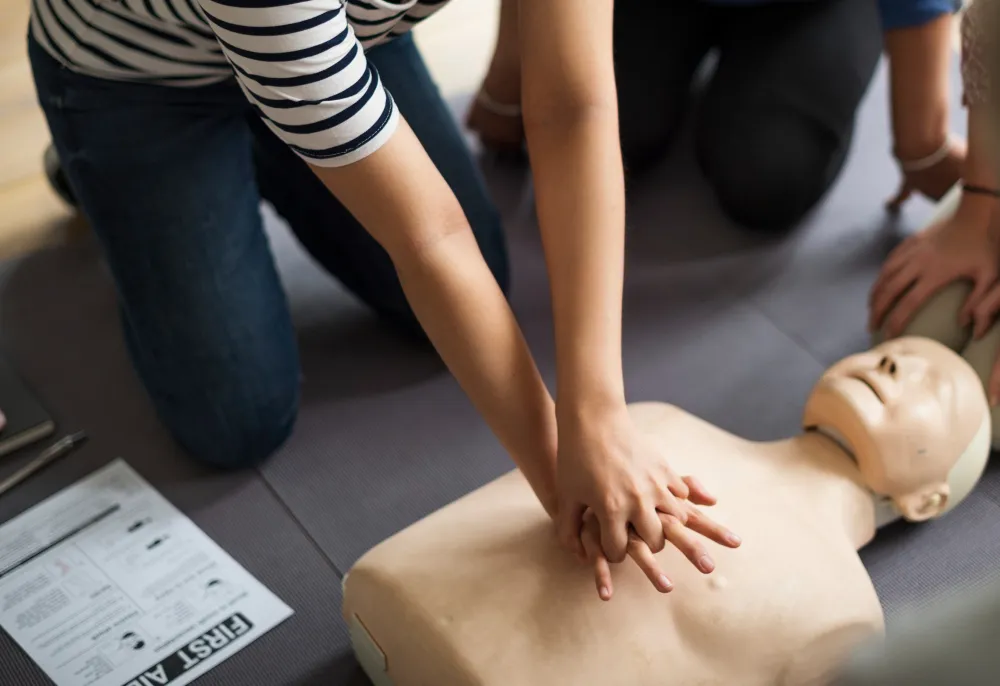
- Cardiopulmonary resuscitation and AED operation
Practical sessions should incorporate patient assessment exercises, spinal care, immobilisation techniques, and simulation drills that prepare participants for real-world scenarios. Optional components may be added based on industry-specific needs.
First Aid Training Programmes Available for SMEs
Malaysian SMEs have access to several structured courses designed to meet different workplace needs and compliance levels. Understanding the distinctions between these programmes helps employers select the most appropriate option for their organisation.
Basic Occupational First Aid
The BOFA course is a comprehensive two-day programme spanning 16 hours that provides competency-level training. This course is DOSH-compliant and recognised by the Department of Occupational Safety and Health, Ministry of Human Resources. Participants undergo both written and practical assessments, and successful completion results in a certificate valid for three years.
BOFA training covers the mandatory curriculum including CPR, AED use, wound management, fracture immobilisation, and emergency response protocols. This programme is ideal for organisations seeking to meet legal compliance requirements whilst building robust emergency response capabilities within their workforce.
Awareness and Essential First Aid Courses
For SMEs looking to broaden safety awareness across their entire workforce, one-day awareness programmes offer foundational knowledge without formal assessment. These eight-hour courses introduce participants to basic first aid principles, emergency recognition, and initial response procedures. Whilst these programmes provide valuable awareness, they do not replace the competency-based training required for designated workplace first aiders.
Essential first aid courses typically include CPR training, basic life support techniques, and practical exercises that build confidence in handling common workplace injuries. Many SMEs combine both awareness training for general staff and competency-based certification for designated first aiders to create a comprehensive safety culture.
Advanced and Specialised First Aid Training
Beyond basic requirements, some industries benefit from advanced programmes that address specific hazards. These may include modules on chemical exposure, electrical injuries, commonest medical illnesses, or heat-related emergencies. Training providers can customise content to reflect the unique risks present in manufacturing, construction, logistics, or office environments.
Specialised training options also include instructor development programmes for organisations wishing to conduct in-house refresher training. This approach can be cost-effective for larger SMEs with multiple sites or high staff turnover.
Benefits of First Aid Training for Small and Medium Enterprises
Investing in first aid training delivers multiple advantages that extend beyond regulatory compliance. For SMEs operating with tight margins, these benefits contribute directly to operational efficiency and employee wellbeing.
Enhanced Workplace Safety and Reduced Accidents
First aid training increases safety awareness amongst employees, leading to fewer workplace incidents. Trained staff learn to identify hazards, implement preventive measures, and maintain first aid facilities properly. This proactive approach minimises risks and creates a culture where safety becomes everyone’s responsibility.
Workplaces with trained first aiders experience faster emergency response times and better outcomes during medical incidents. When employees understand how to assess situations quickly and provide appropriate care, the severity of injuries decreases, reducing recovery times and associated costs.
Improved Employee Morale and Team Cohesion
Providing first aid training demonstrates employer commitment to workforce welfare, significantly boosting employee morale. When staff members know that colleagues are trained to help during emergencies, they feel more secure and valued. This sense of safety contributes to higher job satisfaction and improved retention rates, particularly important for SMEs competing for talent.
Group training sessions also serve as effective team-building exercises where employees learn life-saving skills together. This shared experience fosters stronger working relationships and increased awareness of colleagues’ wellbeing.
Financial and Operational Advantages
First aid training is fully claimable under HRD Corp for registered employers, making it a cost-effective investment for Malaysian SMEs. The SBL Khas scheme covers training costs, allowing businesses to upskill their workforce without significant financial burden.
Beyond training subsidies, organisations benefit from reduced workplace disruptions, lower insurance premiums, and decreased liability risks. Immediate first aid response can prevent minor injuries from escalating into serious medical emergencies, minimising lost work time and medical expenses.